
Are Obesity, Weight, and ED Connected? Can Weight Loss Improve Erections?
What research says about obesity, waist circumference, erectile function, and lifestyle programs that combine weight loss with physical activity.
Key points
Some people wonder whether losing weight will restore erection strength.
Obesity is one factor associated with ED, but erectile function can also be affected by vascular and metabolic health, activity, medication, sleep, and psychological factors (EAU, 2026).
Randomized controlled trials have directly tested weight-loss interventions and changes in erectile function.
Jogging / brisk walking
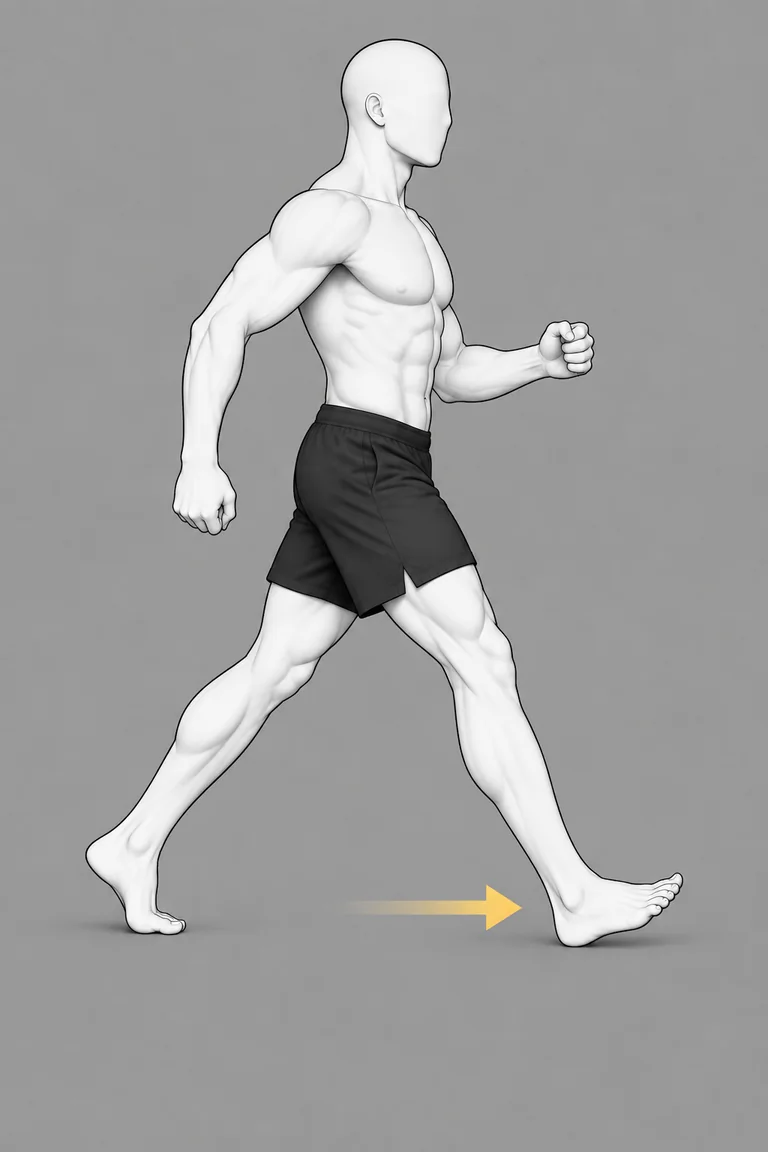
Swing your arms naturally and lengthen your stride slightly.
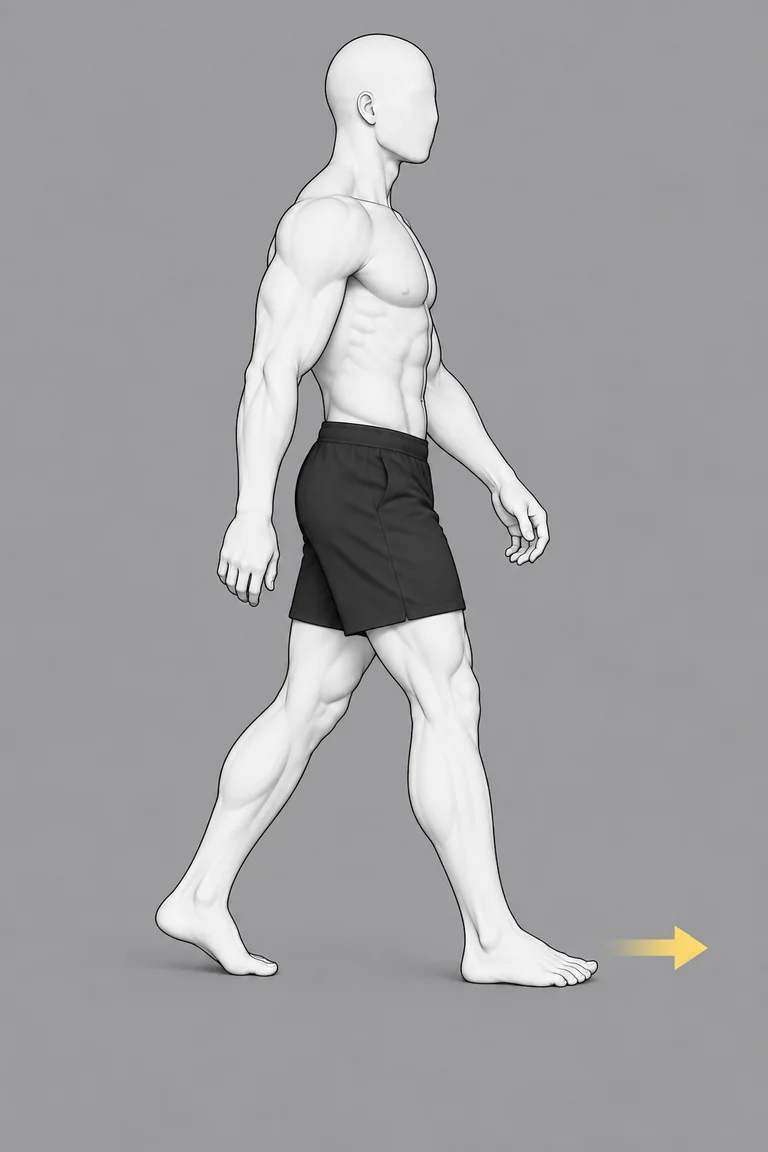
Walking
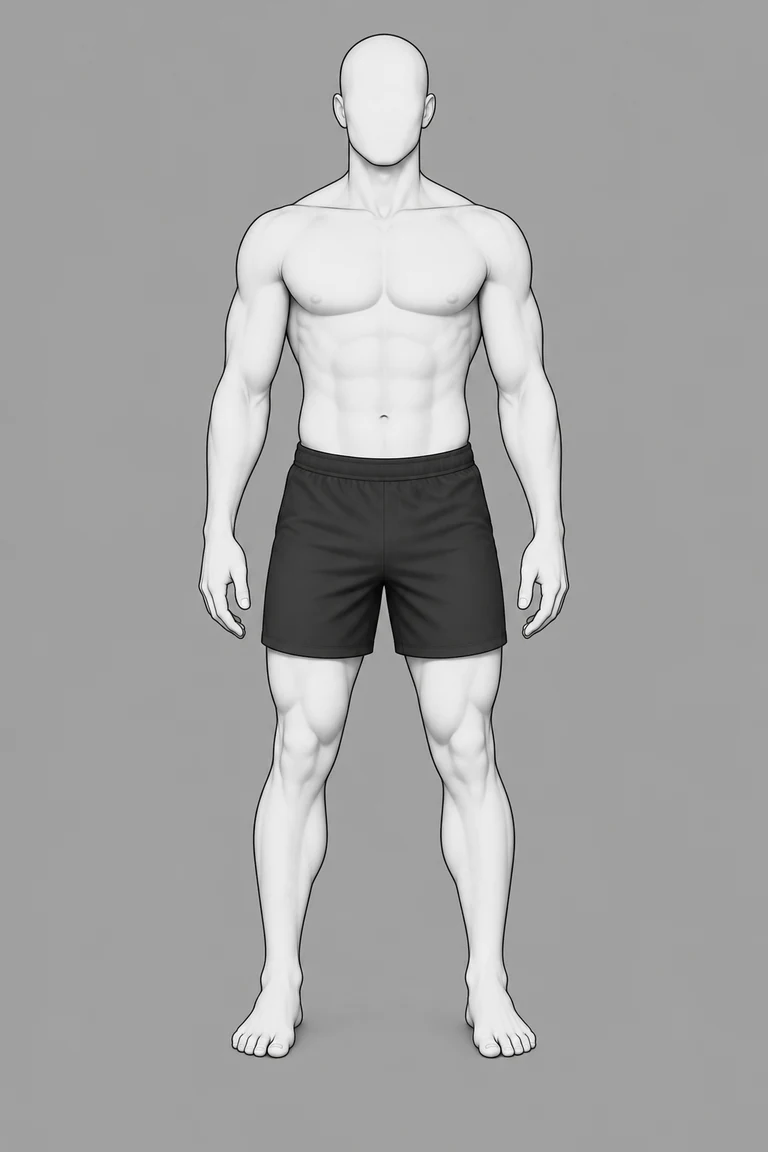
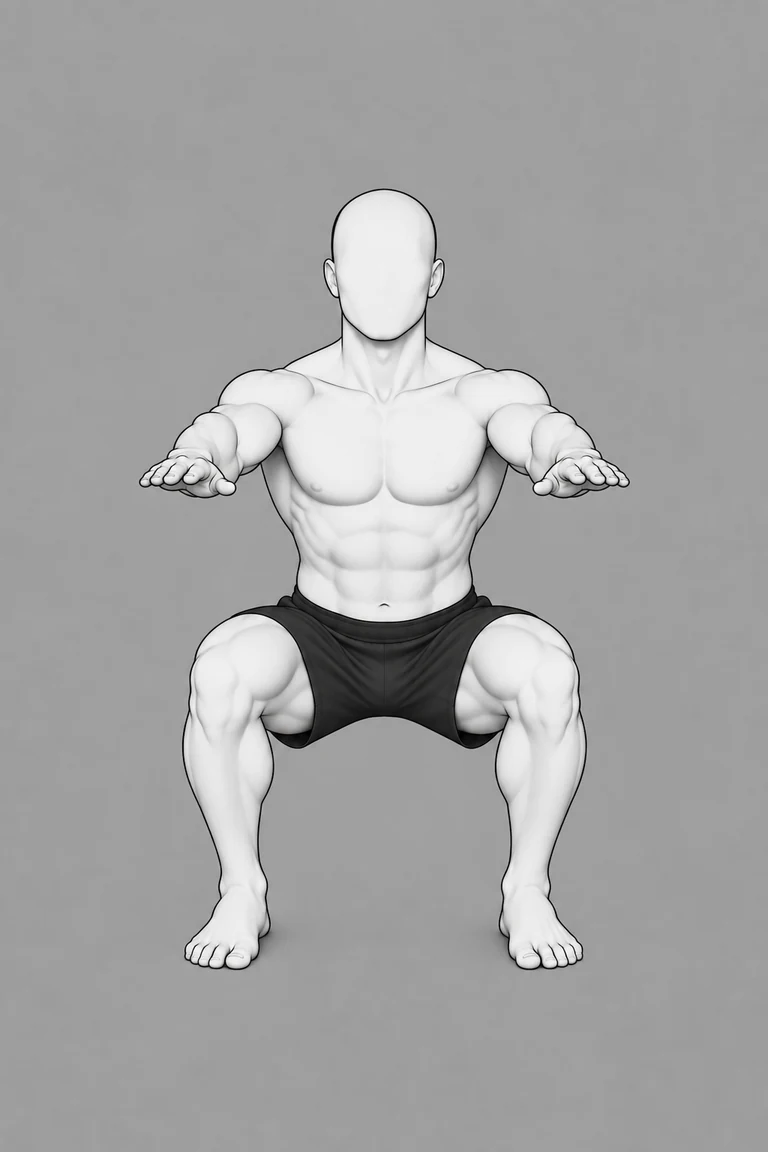
Bodyweight Squat
A meta-analysis of five studies and 619 men found better IIEF scores
A 2022 meta-analysis combined five randomized controlled trials involving 619 men with overweight or obesity (Li et al., 2022).
Compared with controls, the weight-loss groups had larger reductions in weight and BMI, and IIEF scores were an average of 1.99 points higher.
The weight-loss methods and participants differed between studies (Li et al., 2022).
The result cannot be applied as “losing a certain number of kilograms raises everyone’s IIEF by two points.”
It does show that lifestyle interventions involving weight loss produced a favorable direction in erectile function across multiple randomized trials (Li et al., 2022).
A well-known two-year trial followed 110 men
A 2004 randomized controlled trial included 110 men aged 35 to 55 with BMI of at least 30 and ED (Esposito et al., 2004).
The men did not have diabetes, hypertension, or dyslipidemia. The intervention combined diet and physical activity and aimed for at least 10% weight loss.
After two years, BMI and inflammatory markers fell in the intervention group, and erectile function improved. About one third of the intervention group reportedly recovered erectile function within the normal IIEF range.
The participants were a selected group of 110 men. The same proportion cannot be assumed for every man with obesity (Esposito et al., 2004).
A six-month program produced a modest improvement
The SHED-IT randomized trial studied a weight-loss program in men with overweight or obesity (Collins et al., 2013).
At six months, IIEF-5 improved by an average of 1.4 points more in the intervention group than in the control group.
The change was modest.
The research is better summarized as weight management within a lifestyle program possibly supporting erectile function, not as “dieting cures ED.”
Studies look at waist size and activity, not weight alone
In a survey of 3,941 adult men in the United States, a larger waist and lower physical activity were associated with higher odds of ED. After adjustment for age and other factors, waist circumference and activity remained associated with ED independently of BMI (Janiszewski et al., 2009).
This cross-sectional survey cannot show that waist size caused ED or predict an individual’s health. The EAU guideline lists BMI or waist measurement as part of checking for coexisting health conditions when evaluating ED. Neither measure identifies the cause on its own; blood pressure, blood glucose, lipids, and activity also matter (EAU, 2026).
Obesity may occur alongside diabetes, high blood pressure, abnormal lipids, or cardiovascular conditions that are also associated with ED. Weight alone cannot identify the cause for one person; blood pressure, blood glucose, sleep, activity, medication, and psychological stress can also be discussed with a healthcare professional (EAU, 2026).
Rapid or extreme weight loss is not the goal
The studies examined broader programs involving dietary changes and physical activity (Esposito et al., 2004; Collins et al., 2013). They did not establish one weight or amount of weight loss that everyone needs to reach for ED.
They do not show that extreme restriction or rapid short-term weight loss improves ED. The NHS advises against sudden weight-loss diets and encourages habits that can be sustained (NHS, n.d.).
BananaUp does not create a Routine that races toward a particular speed of weight loss.
Record sustainable activity such as Jogging / brisk [Walking](/en/routines/jogging-brisk-walking/), Walking, and strength Routines alongside sleep and alcohol.
Think of weight management, if appropriate for you, as one part of overall health habits that may include regular activity, sleep, and food choices. Speak with a healthcare professional if you have a medical condition, take medication, experience sudden weight change, or need help choosing a safe approach.
If ED continues after weight loss, check other factors
Some people improve after losing weight, while ED continues for others.
Vascular, nerve, diabetes-related, hormonal, medication-related, and psychological factors may make weight management alone insufficient.
If difficulty getting or maintaining an erection continues for several weeks, do not decide that weight is the only cause. Discuss it with a healthcare professional.
The Routine Finder includes Cardio and bodyweight Strength options that can fit your ability. With 14-day tracking, compare exercise, sleep, alcohol, and daily Condition under the same dates.
Sources
- Li H, Xu W, Wang T, et al. Effect of weight loss on erectile function in men with overweight or obesity: A meta-analysis of randomised controlled trials. Andrologia. 2022;54(1):e14250.
- Esposito K, Giugliano F, Di Palo C, et al. Effect of lifestyle changes on erectile dysfunction in obese men: a randomized controlled trial. JAMA. 2004;291(24):2978-84.
- Collins CE, Jensen ME, Young MD, et al. Improvement in erectile function following weight loss in obese men: the SHED-IT randomized controlled trial. Obes Res Clin Pract. 2013;7(6):e450-4.
- European Association of Urology. Management of Erectile Dysfunction. EAU Guidelines on Sexual and Reproductive Health. 2026.
- Janiszewski PM, Janssen I, Ross R. Abdominal obesity and physical inactivity are associated with erectile dysfunction independent of body mass index. J Sex Med. 2009;6(7):1990-1998.
- NHS. Tips to help you lose weight. n.d.
Feel good aboutwhere you are lately?
Keep your confidence as a man, ready for the moments that matter.
- Move closer to your ideal self
- Aim higher as a man
- Build confidence