
Do Not Judge Male Condition from One Short Night
Compare changes after short sleep with sleep duration, fatigue, and stress across 14 days instead of drawing a conclusion from one morning.
Key points
After staying up late, you arrive at your first meeting with a foggy head. Your morning Condition also feels different, and it is tempting to say, “It is because I did not sleep enough.” To understand a short night, keeping the same fields for several days can be more useful than blaming yourself.
Consistent Bedtime
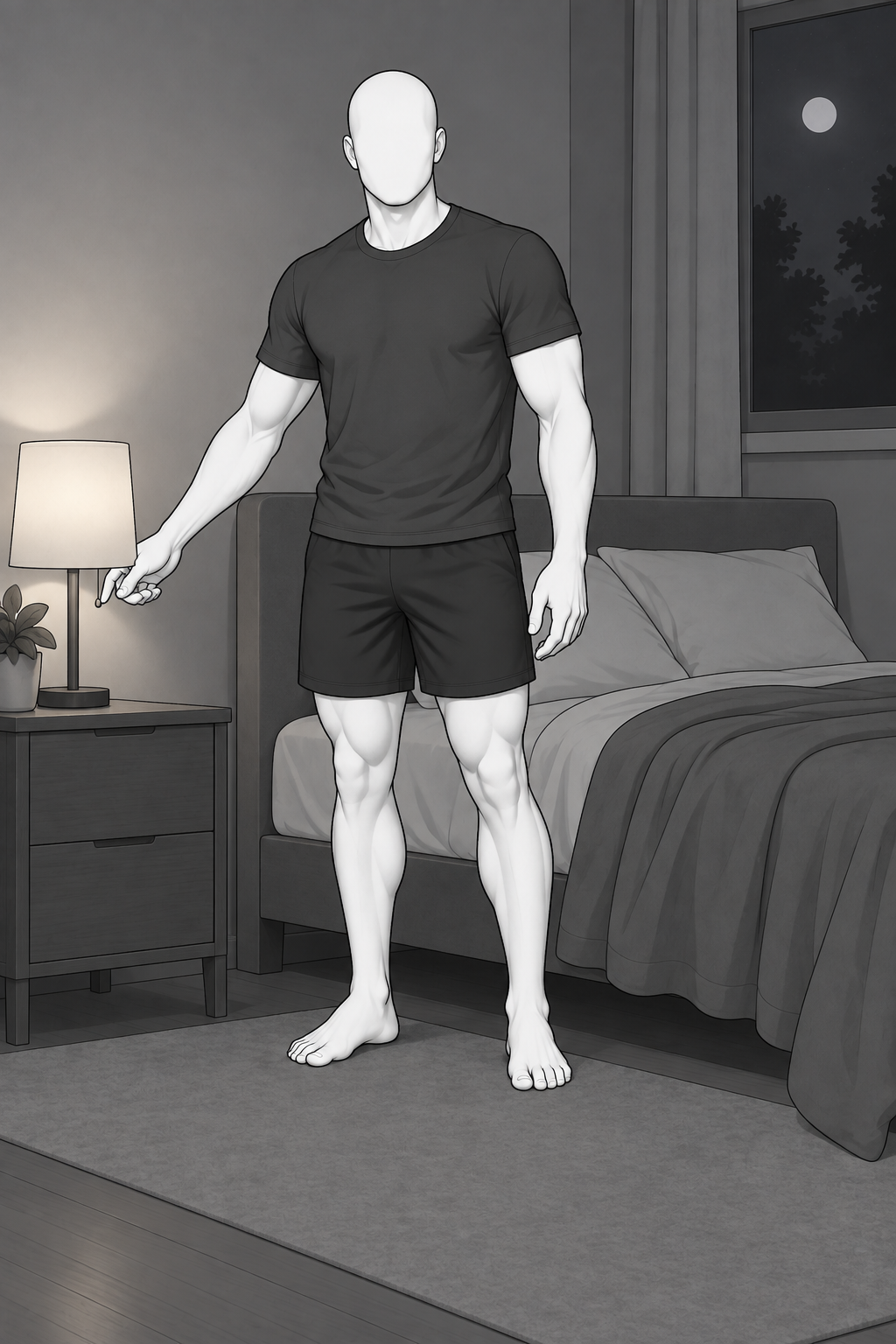
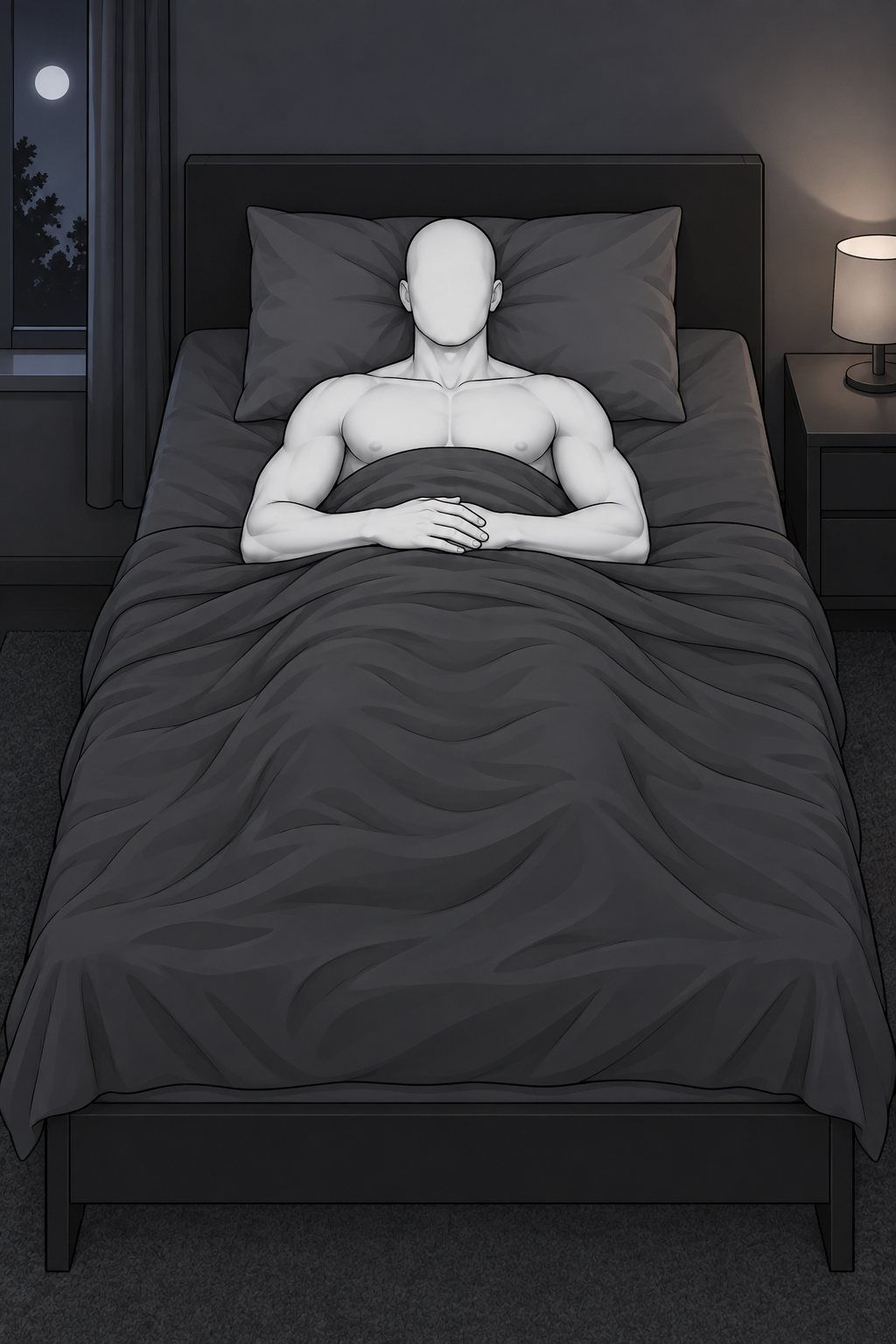
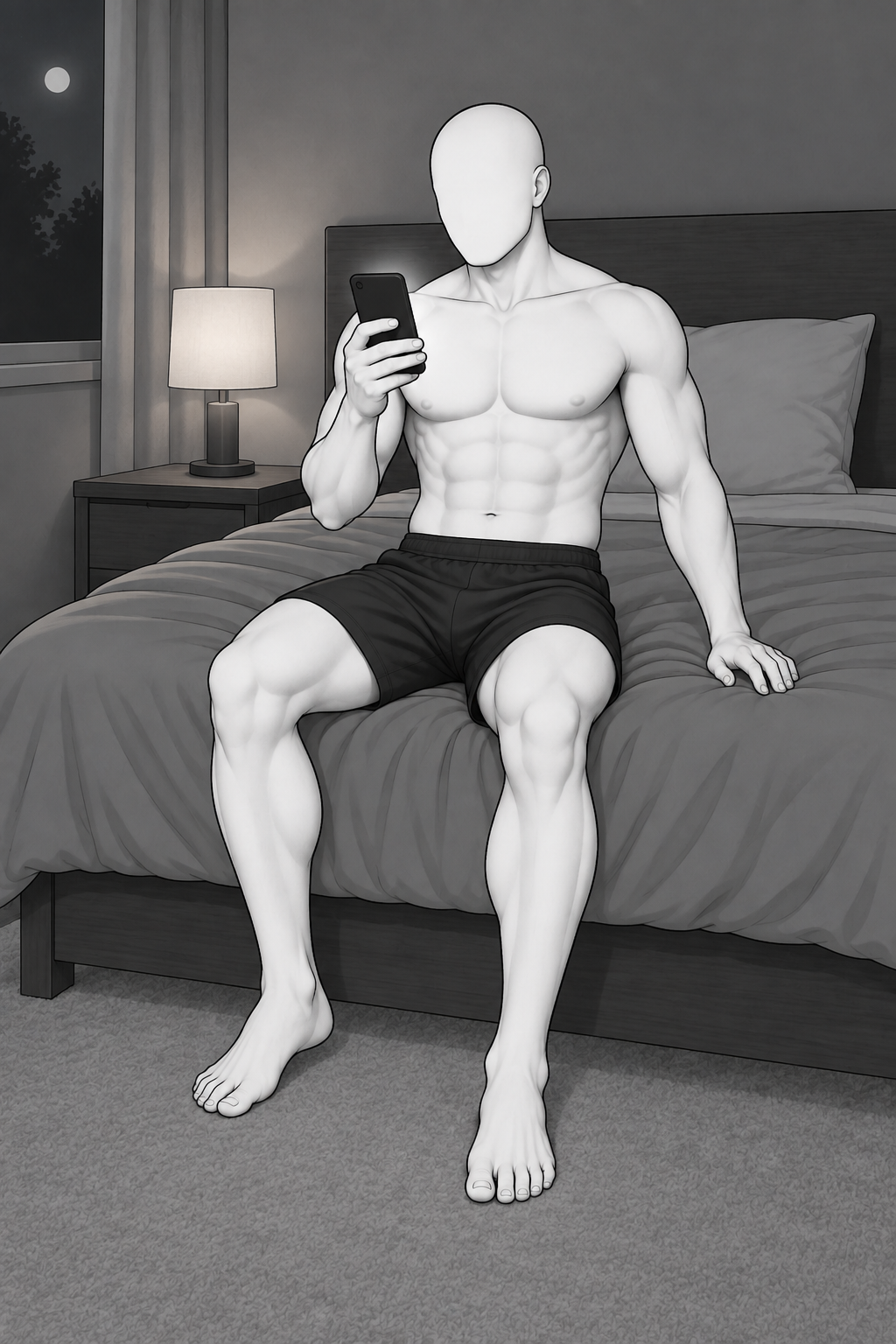
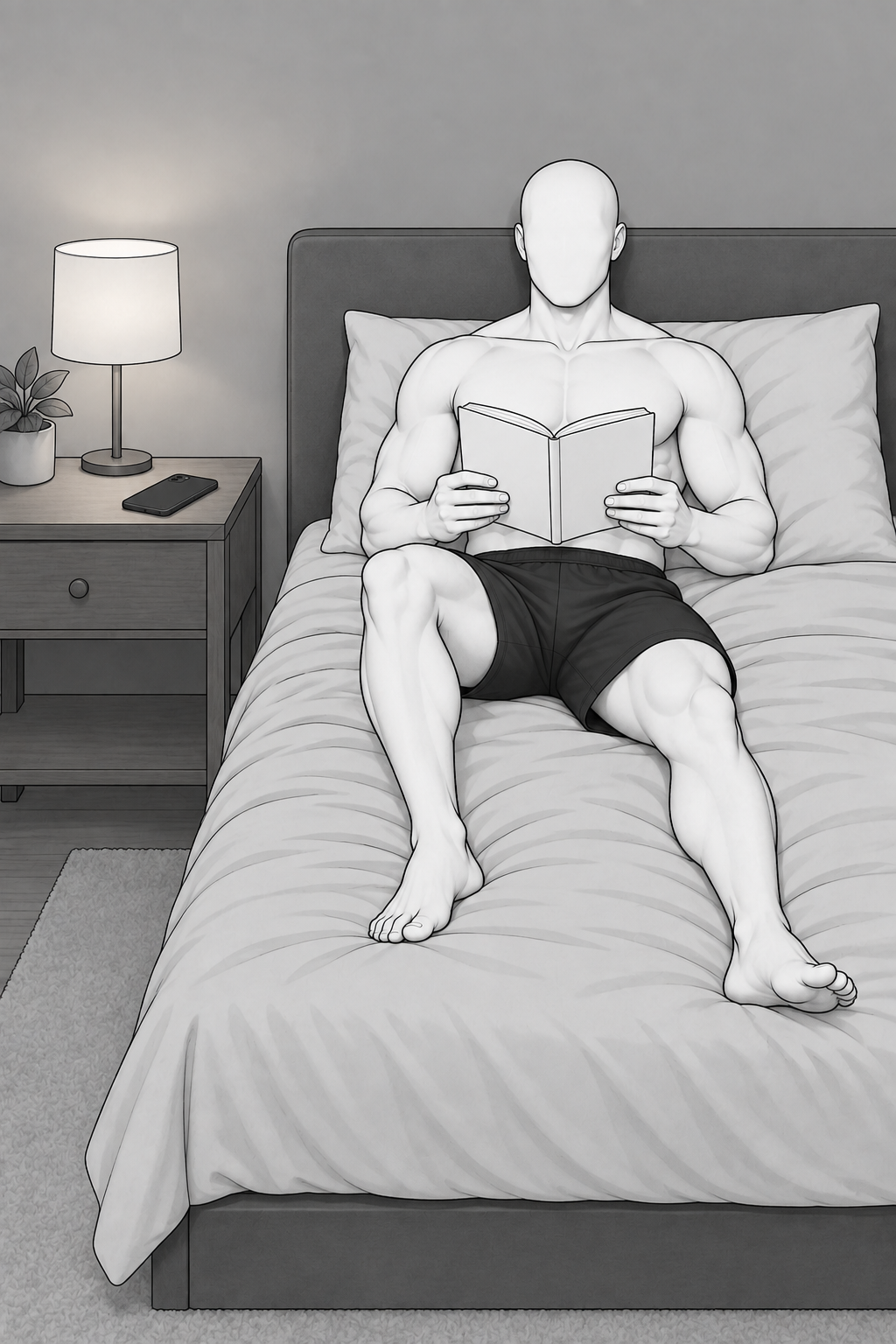
No Screen 30 Min Before Bed
Do not connect sleep research directly to one person
Erections during sleep are studied as physiological events associated with REM sleep. Systematic reviews have also examined sleep apnea and erection problems. Short-term sleep-restriction studies do not produce the same change in everyone. Their results do not mean that every person reacts the same way after one short night.
“Sleep loss” also combines sleep duration, nighttime awakenings, a shifted bedtime, and fatigue after waking. Separate them in your record rather than treating them as one cause.
Start with three times and two sensations
Record bedtime, wake time, and estimated sleep duration, then choose nighttime awakenings and daytime sleepiness. In the morning, record Condition and fatigue on the same scale. Add deadlines, alcohol, and exercise when they help you see what moved alongside a short night.
You may have a normal morning after five hours and 50 minutes, and high fatigue after seven hours. The second night may have included repeated waking or severe stress. Put several fields in one row so you do not score every morning by sleep duration alone.
Use 14 days to add detail to “short sleep”
One short night is like passing through one station and trying to judge the entire railway. With 14 days, you can see how many five- to six-hour nights occurred and how fatigue and Condition looked the next morning. Do not present a group with one record as a trend; wait for more observation.
If you add a sleep habit, record when you started fixed_bedtime or no_screen_30. Comparing nights when bedtime was consistent with nights when you could not close the screen gives you a basis for the next experiment beyond memory.
How to do Consistent Bedtime
Choose a bedtime that can work on weekdays and weekends, and choose when you will begin getting ready for bed. The Routine is complete when you begin that planned wind-down and get into bed close to the target time. Record the actual bedtime in Daily Log and adjust the target after a disrupted night.
Do not impose an unreasonable restriction on work or health needs. Prioritize enough sleep and safety instead of staying awake to meet a rigid clock.
How to do Consistent Wake Time
Choose a realistic wake-time target that fits your morning schedule. Adjust bedtime gradually rather than moving only the alarm. The Routine is complete when you wake near the target and record the actual wake time.
Weekends do not need to match perfectly. When you are ill or sleep-deprived, prioritize rest and record the difference from your usual time.
How to do No Screen 30 Minutes Before Bed
Choose where to put your phone or computer 30 minutes before bed. From that point until bedtime, switch to a non-screen activity such as dimming the lights, reading paper, or preparing for tomorrow. The Routine is complete after 30 consecutive screen-free minutes.
Allow a brief essential check when necessary, then restart the 30-minute period and record what you actually completed. Do not mark the full Routine complete if the screen-free time was shorter.
Put daytime safety first
Contact a healthcare professional before continuing only with records if breathing stops repeatedly, you wake gasping, daytime sleepiness makes driving or work dangerous, or erection changes continue for weeks. Also seek advice for pain or urinary problems. A sleep record is not a reason to delay care.
Place sleep next to Condition
From tonight, record bedtime, awakenings, fatigue, and stress in addition to sleep duration. Choose starting fields with the Sleep & Recovery Check, then place daily Condition in BananaUp’s 14-day tracking. Compare your own short nights with nights when you slept enough, not only research averages.
Sources
Feel good aboutwhere you are lately?
Keep your confidence as a man, ready for the moments that matter.
- Move closer to your ideal self
- Aim higher as a man
- Build confidence