
Record Inactivity and Your Daily Condition
Separate sitting time and small movements, then compare them with sleep and stress instead of treating “inactivity” as one vague label.
Key points
Bed, chair, train seat, and back to a chair. A day can end without one major event, leaving you unable to explain why your condition felt different. Instead of reducing the day to “inactivity,” record sitting blocks and small movements separately.
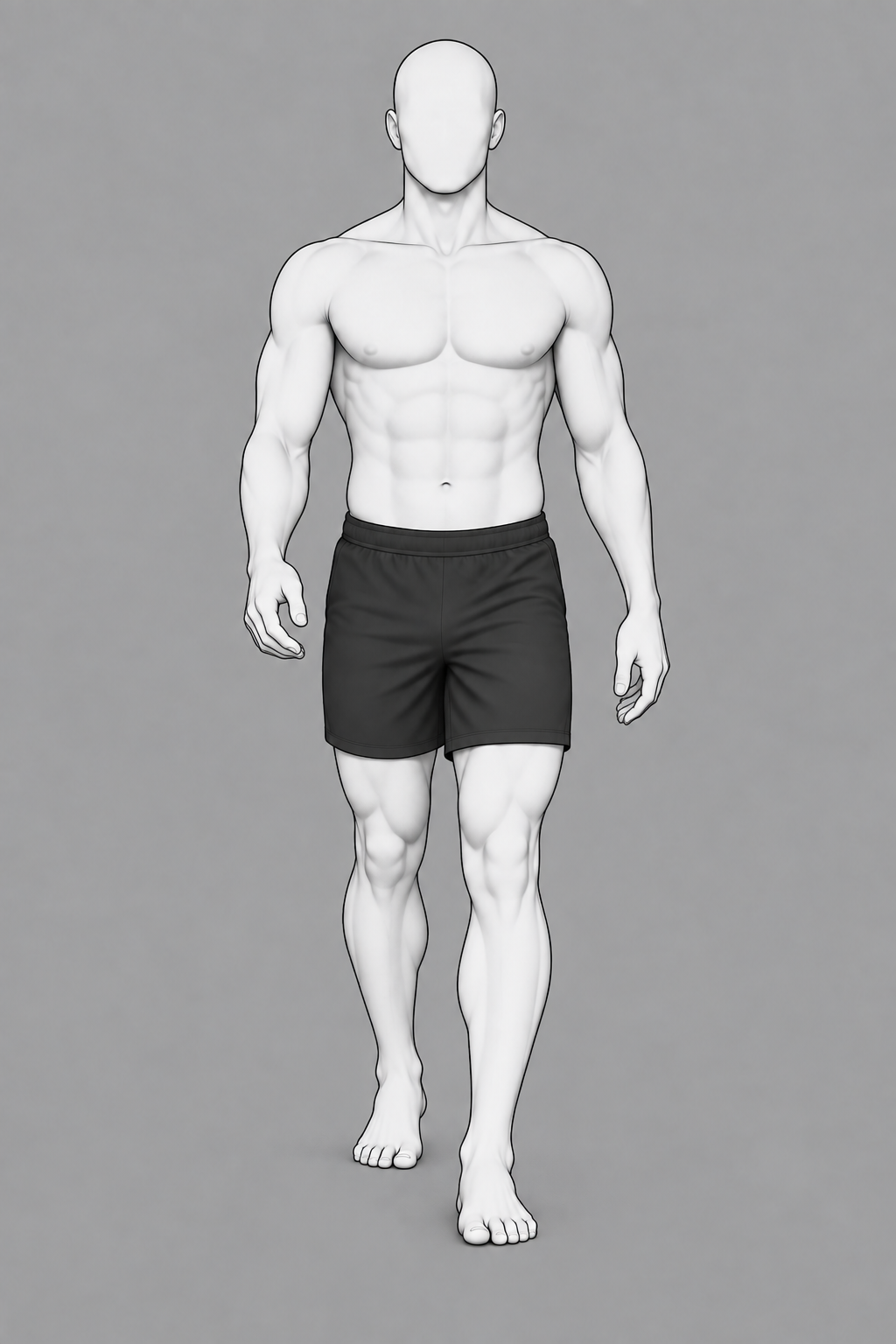
Easy Walk 15
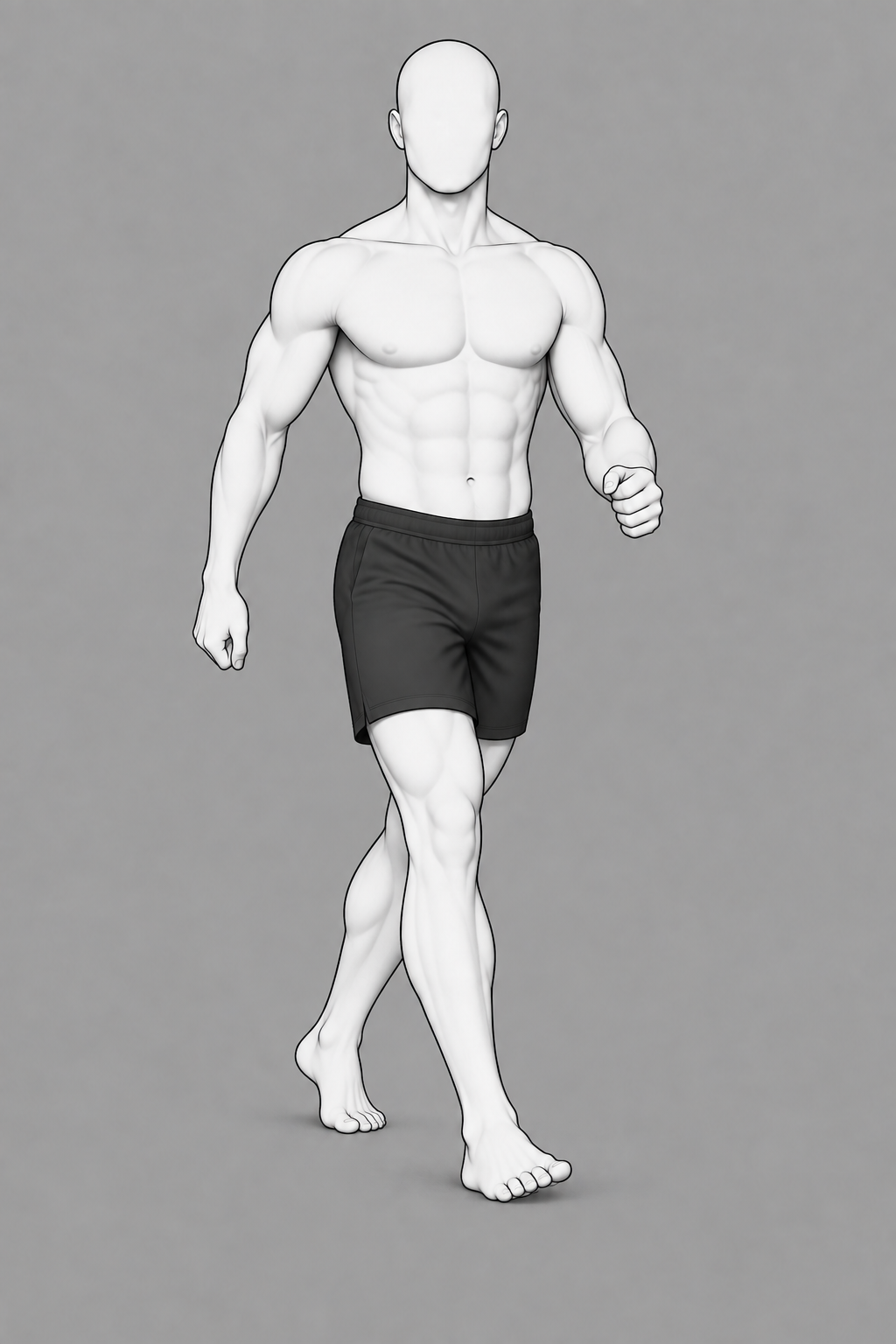
Brisk Walk 20
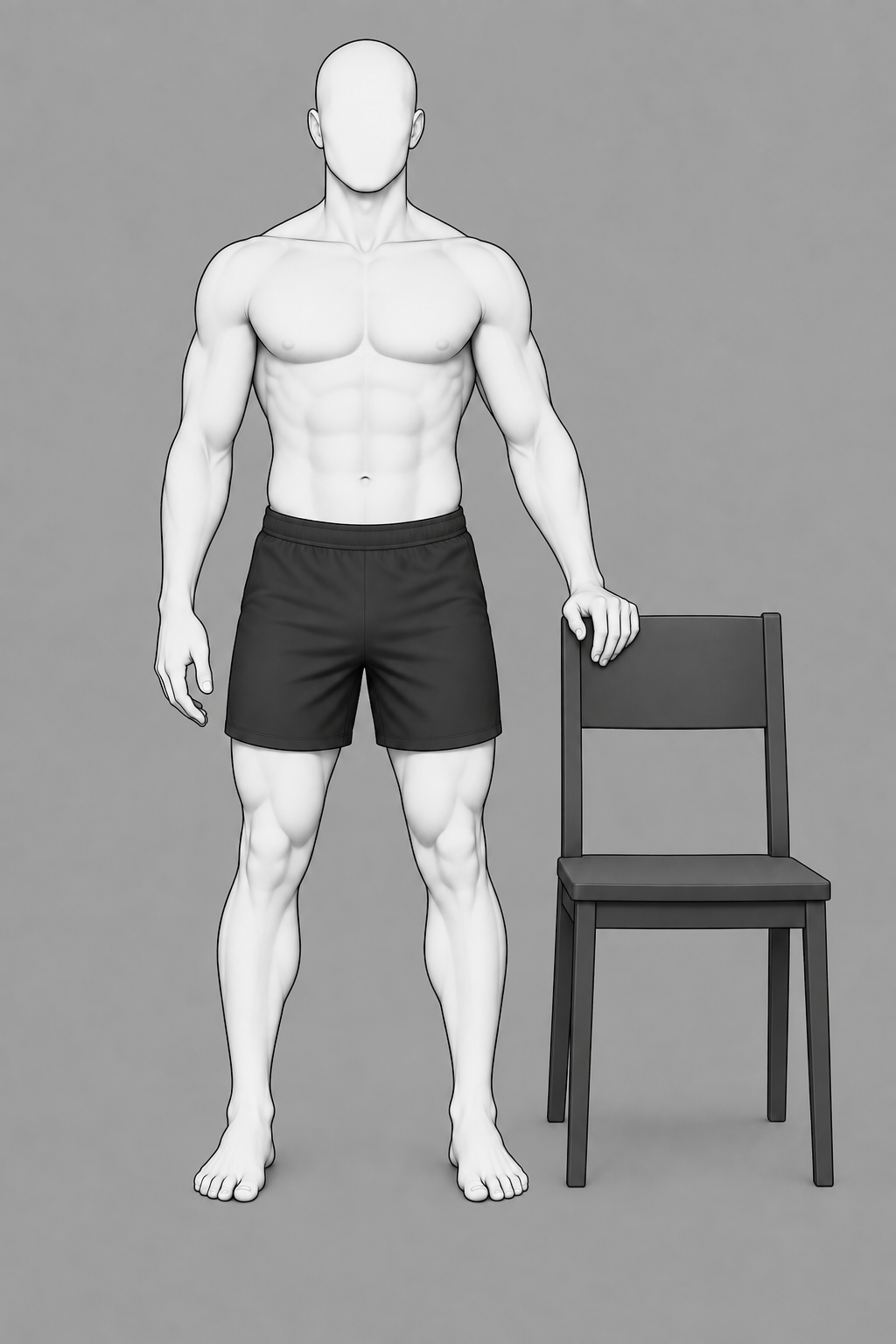
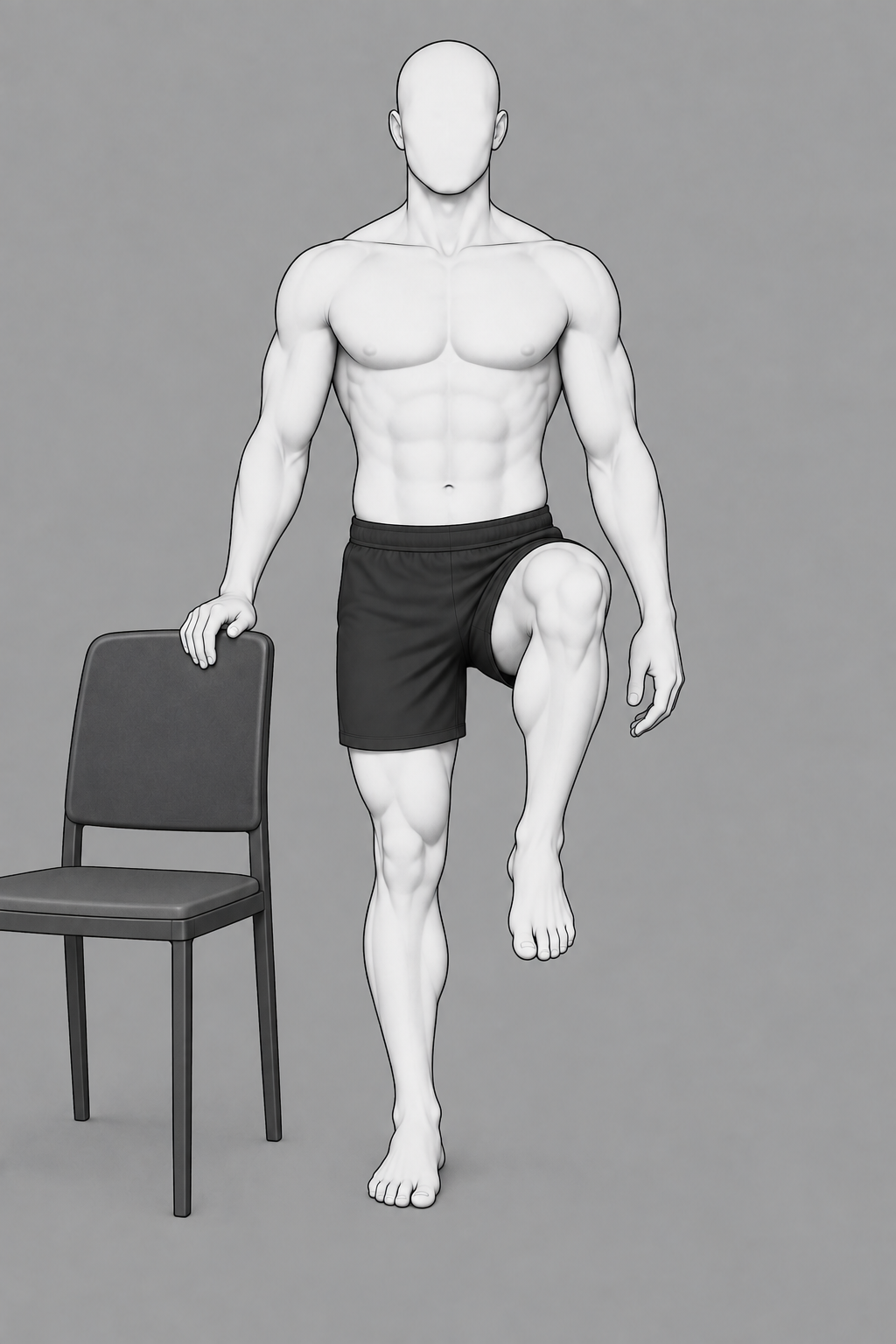
Hip Mobility 5 min
Do not turn one inactive day into a health score
The NIDDK lists insufficient physical activity as a lifestyle factor that may be related to erection problems. The WHO treats physical activity as movement during leisure, transportation, and work, while prolonged sitting is a separate behavior. Neither is a rule for declaring one particular day abnormal.
Meta-analyses have examined the relationship between physical activity and erectile function, but a group-level association cannot be applied directly to one person’s evening. To see what happened in your own day, place movement time, sitting blocks, sleep, and stress under the same date.
Record sitting blocks and breaks roughly
You do not need exact seconds. Choose the longest sitting block, such as under two hours, two to four hours, or four hours or more. Record standing for one to five minutes, stairs, walking to the station, and light stretching as movement. Note a short reason such as “meetings” or “commute” without blaming yourself for not standing at work.
You may feel lighter after a 10-minute walk at lunch even on a day without a formal workout. On the other hand, you may spend the rest of a gym day sitting. Look at the balance of activity across the whole day, not only whether you performed vigorous exercise.
Fix one break first
If standing every hour feels unrealistic, begin with one reliable action: walk for five minutes after lunch or stand once during an online meeting. Record days with hip_mobility_5 or easy_walk_15, days you could not do them, sleep, and stress on the same timeline.
If your condition feels better the day after adding movement, walking may not be the only reason. Sleep, food, workload, and other factors often move together. Build 14 days of logs first, then classify the conditions and review the trend.
Put sudden symptoms before record-keeping
Stop and seek medical advice for chest pain during activity, fainting, severe shortness of breath, sudden dizziness, or an injury. Do not respond to continuing sexual-function or urinary changes only by increasing exercise. If you have been given exercise restrictions, follow the clinician’s instructions.
Compare the shape of 14 days
Briefly record the longest sitting block, times you stood up, minutes walked, sleep, stress, and Condition. Choose fields with the Lifestyle Check, then use BananaUp’s 14-day tracking to compare days with and without breaks. Look for an action you can repeat, not just the label “inactive.”
Sources
Feel good aboutwhere you are lately?
Keep your confidence as a man, ready for the moments that matter.
- Move closer to your ideal self
- Aim higher as a man
- Build confidence