
Does Low Testosterone Cause ED? The Relationship with Erections, Libido, and Treatment
How low testosterone relates to ED and libido, how low testosterone is diagnosed, and what research and guidelines say about testosterone therapy.
Key points
Many people wonder whether low testosterone explains why erections have become difficult.
Testosterone is involved in male libido and sexual function. Men with low testosterone can have reduced desire or ED among their symptoms.
But not every man with ED has low testosterone. Blood vessels, nerves, diabetes, high blood pressure, medication, and stress can also contribute.
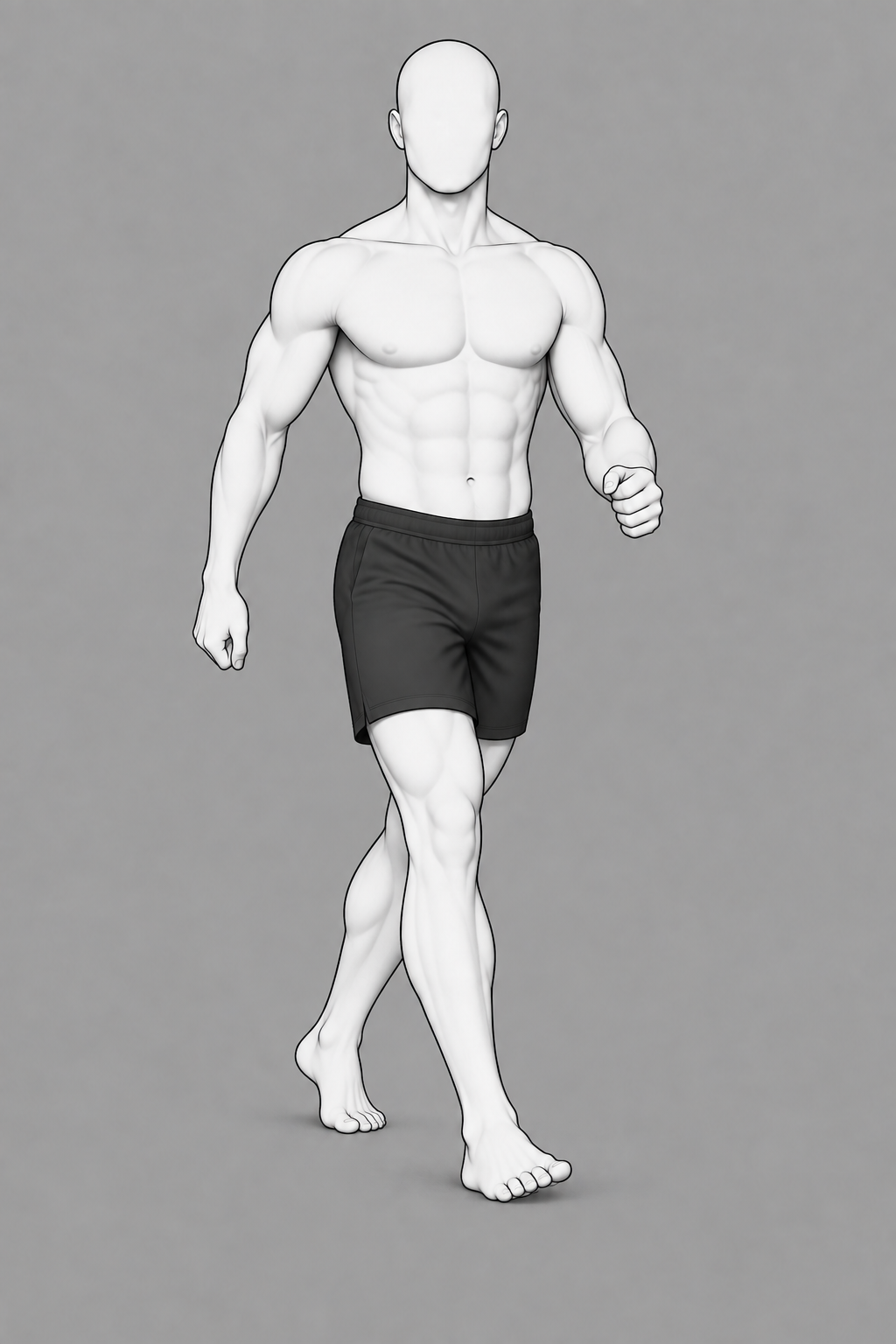
Brisk Walk 20
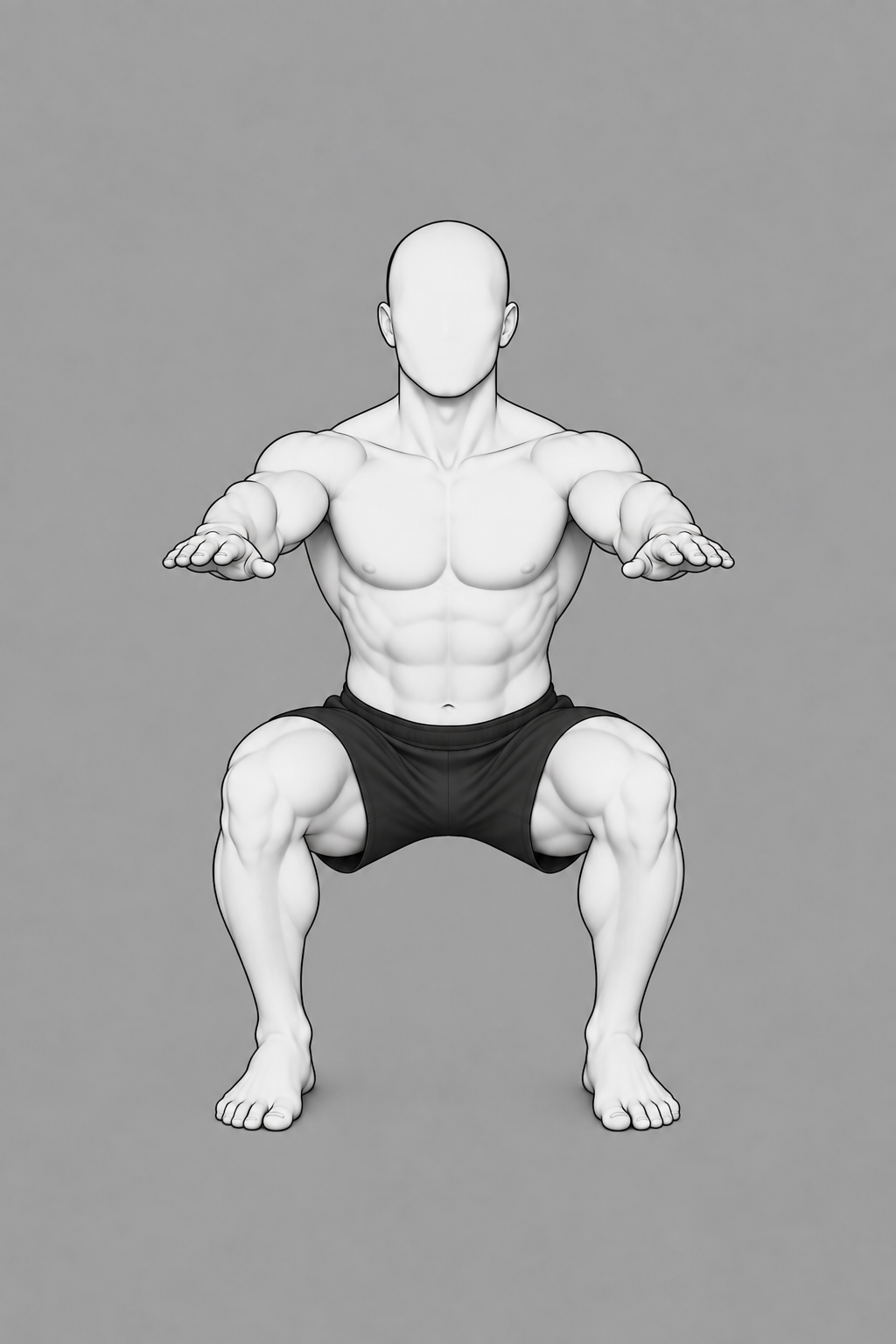
Bodyweight Squat
Low testosterone is diagnosed with symptoms and blood tests
Testosterone deficiency is not diagnosed from “I have less motivation” or “erections are difficult” alone.
The EAU guideline on male hypogonadism diagnoses it when symptoms or signs are present and low testosterone has been confirmed.
Testosterone changes during the day, so the time of measurement matters. A low result may need to be confirmed on another day.
The EAU also includes an early-morning total testosterone measurement in the basic assessment of ED.
You cannot confirm it by assuming that exercise means your level is high or that the absence of a morning erection means it is low.
The relationship with libido is not identical to the relationship with erections
Testosterone has a stronger relationship with sexual desire, and reduced libido can occur in men with low testosterone.
It also contributes to erections, but blood flow and other mechanisms are important.
Normalizing testosterone therefore does not solve every case of ED.
The EAU recommends testosterone therapy as a first option for men with hypogonadism and mild ED. For more severe ED, combining it with a PDE5 inhibitor may be considered.
This concerns men whose low testosterone has been confirmed; it does not mean that everyone with ED should use testosterone.
A 28-trial analysis found improved IIEF scores
A 2024 systematic review and meta-analysis combined 28 randomized controlled trials involving 3,461 people with age-related hypogonadism.
IIEF scores improved by an average of 3.26 points in testosterone-treatment groups compared with placebo.
Another meta-analysis also found improved erectile function in men with low testosterone, with a tendency toward larger changes among men whose initial levels were lower.
Treatment should not be expected to produce the same erection improvement in men with normal testosterone.
The EAU strongly recommends against testosterone therapy for men with normal testosterone levels.
The large TRAVERSE study found clearer libido than erection changes
The Sexual Function Study within TRAVERSE assigned 1,161 men with low testosterone and reduced libido to testosterone gel or placebo.
Testosterone improved sexual activity, sexual desire, and hypogonadal symptoms.
The improvement in erectile function was small. This shows that testosterone does not necessarily affect libido and erection hardness to the same degree.
Keep “desire returned” separate from “firmness became sufficient.”
Testosterone therapy is not a supplement
Medical testosterone therapy is different from products marketed as “testosterone boosters.”
It is given after hypogonadism is assessed with blood tests and other information, with a clinician deciding whether the benefits and risks fit.
The Endocrine Society recommends treatment for men with symptoms and unequivocally low testosterone and advises against it in situations such as a current desire for fertility.
The EAU also strongly recommends not using testosterone as fertility treatment in men who want children in the future.
External testosterone can suppress sperm production.
Naturally raising testosterone does not automatically treat ED
Sleep, exercise, and weight management affect overall health, and obesity or metabolic problems can appear alongside low testosterone.
Even if testosterone changes temporarily after a squat session, that is not a simple causal chain to improved ED.
BananaUp’s strength and sleep Routines are not treatments designed to raise testosterone and cure ED.
They record lifestyle and Condition side by side so you can observe change.
Confirm concerns with testing
If low libido, ED, or fatigue continue and you are concerned about low testosterone, speak with a healthcare professional before adding a “testosterone booster.”
An evaluation can include symptoms, blood tests, medical conditions, medication, weight, and metabolic health.
Whether testosterone therapy is appropriate follows from that evaluation.
BananaUp does not estimate testosterone or diagnose hypogonadism.
Use the Male Condition Check to organize your current context. In 14-day tracking, keep EQ, stability, morning condition, sleep, and exercise under the same dates.
Sources
- https://uroweb.org/guidelines/sexual-and-reproductivehealth/chapter/male-hypogonadism
- https://uroweb.org/guidelines/sexual-and-reproductivehealth/chapter/management-of-erectile-dysfunction
- https://pubmed.ncbi.nlm.nih.gov/38344665/
- https://pubmed.ncbi.nlm.nih.gov/37589949/
- https://www.endocrine.org/clinical-practice-guidelines/testosterone-therapy
Feel good aboutwhere you are lately?
Keep your confidence as a man, ready for the moments that matter.
- Move closer to your ideal self
- Aim higher as a man
- Build confidence