
Compare Walking and Male Condition in Your Records
Add a manageable 20-minute walk to daily life and compare 14 days with sleep, stress, and daily Condition.
Key points
After a day of desk work, you may check your step counter and realize you barely walked. It is tempting to respond by planning an exhausting long-distance workout, then stop when it is too hard to continue. Starting with a manageable walk of around 20 minutes and recording the time and your response in the same log is more likely to become a real habit.
Brisk Walk 20
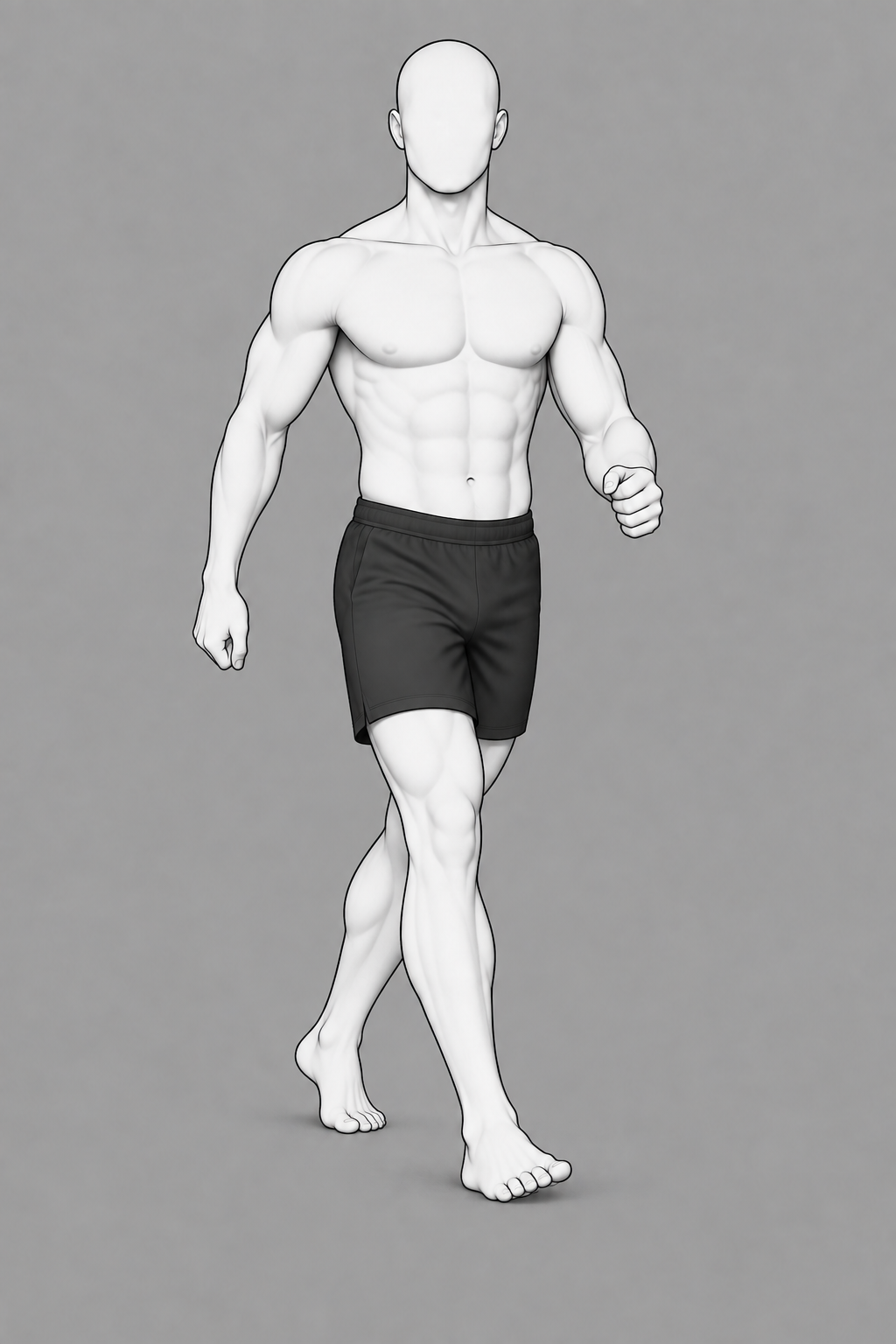
Easy Walk 15
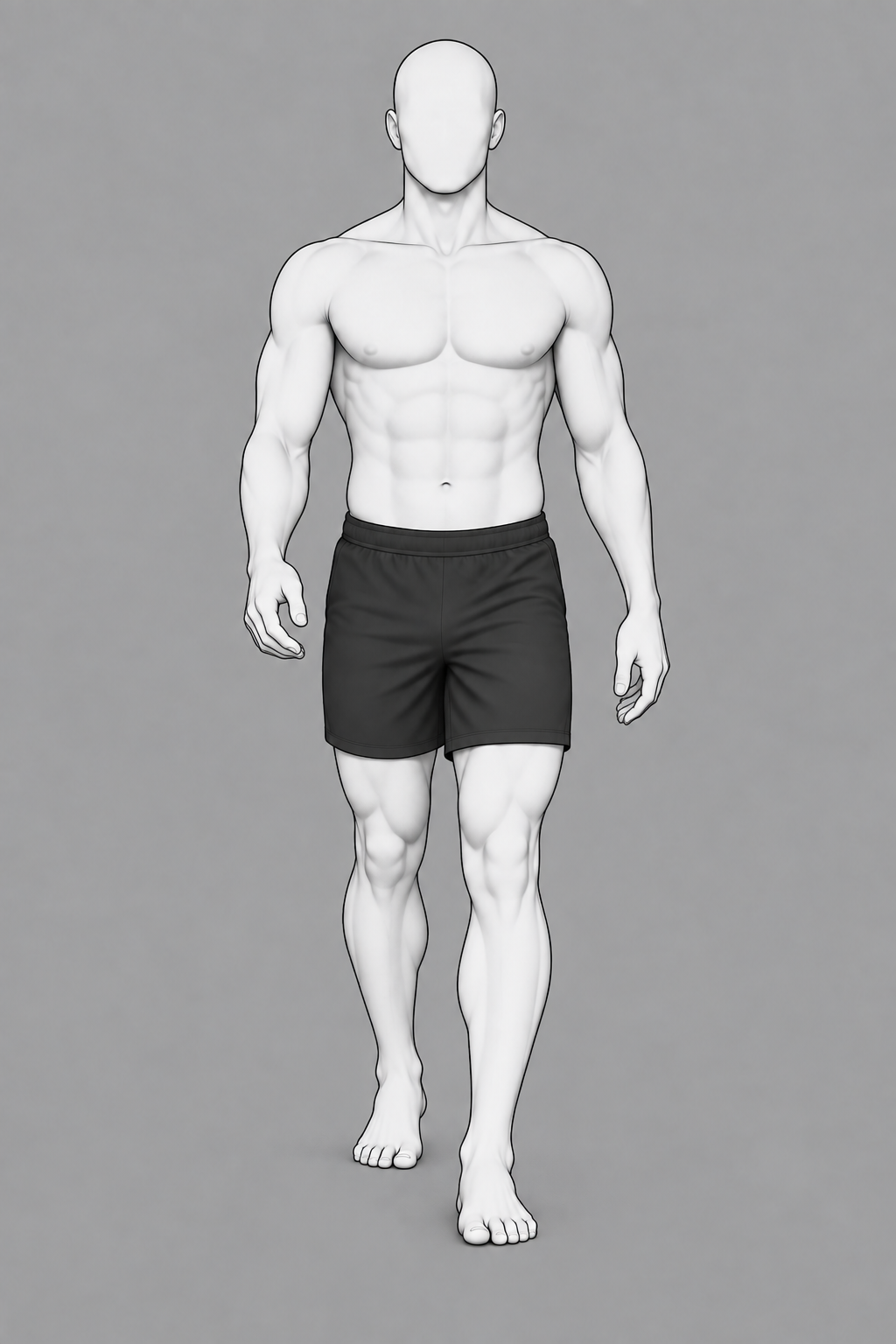
Walk 30
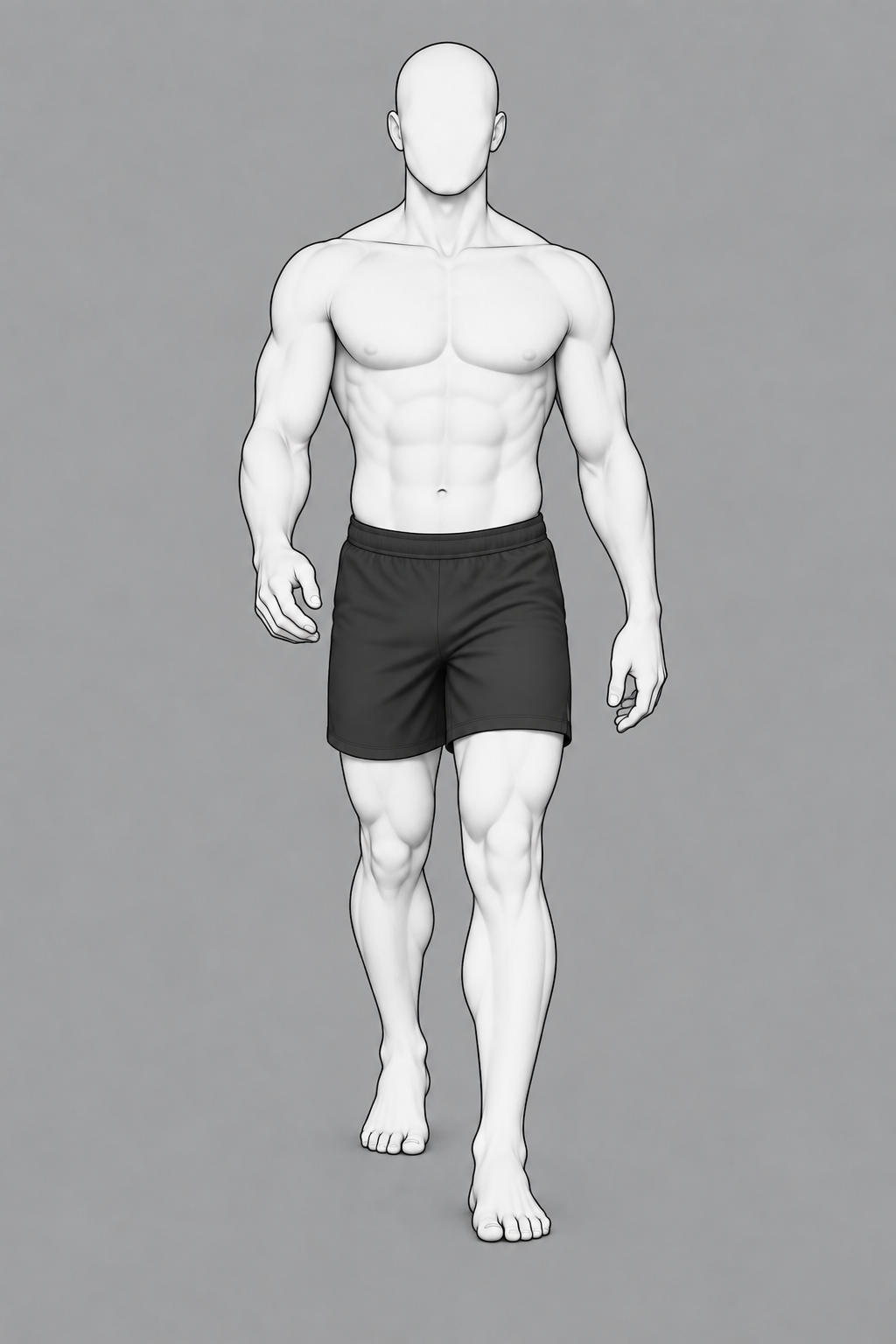
Brisk Walk Intervals
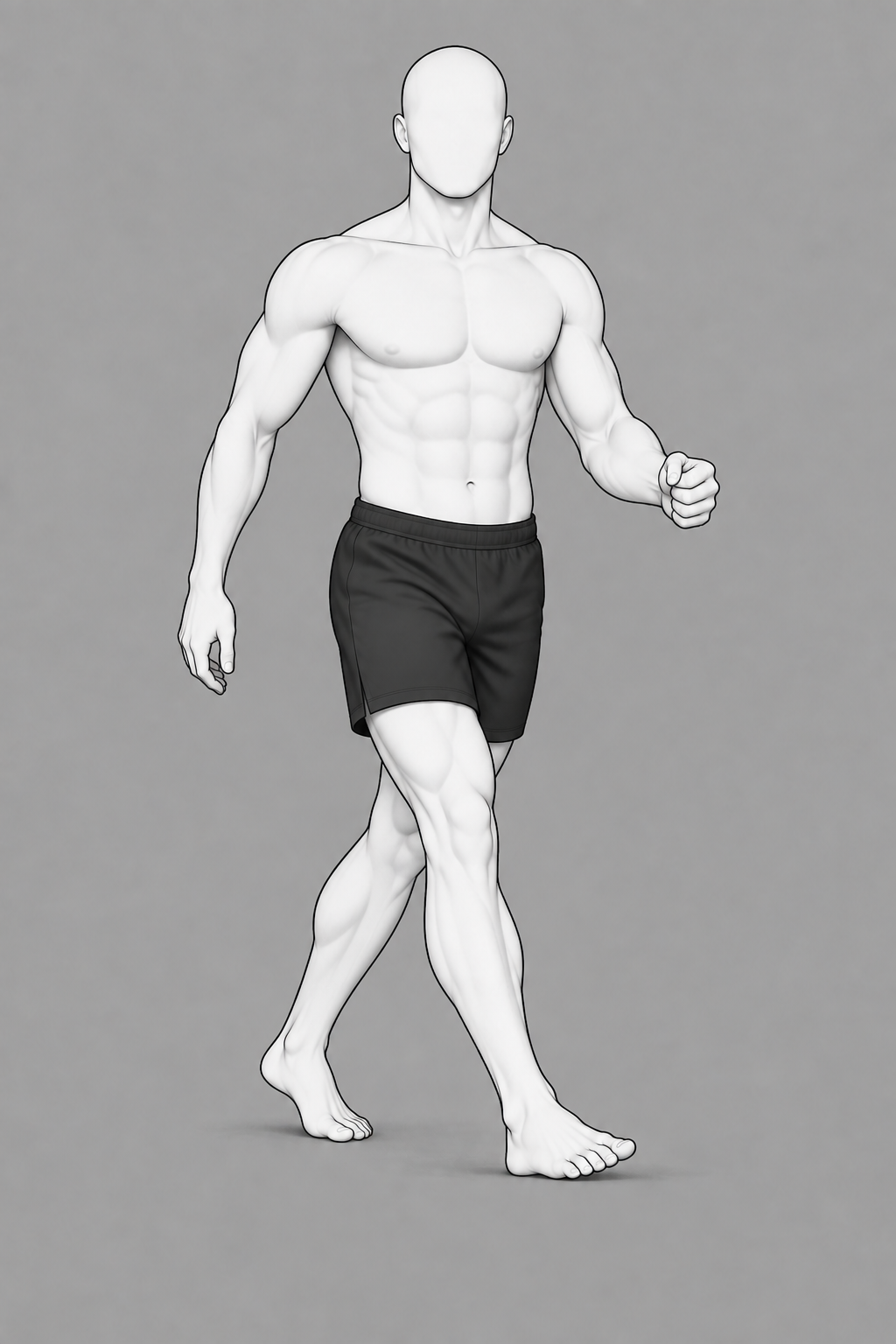
Separate research associations from your own change
Meta-analyses have examined physical activity and erectile function. The NIDDK lists insufficient physical activity as a lifestyle factor that may be associated with erection problems. This does not mean that one walk changes your condition that day. Do not transfer a group-level association directly into a personal cause-and-effect conclusion.
The WHO describes physical activity as movement during leisure, transportation, and work. Walking is easy to record even on a day when intense exercise is not possible, and it can be compared with sleep and stress under the same date.
Choose conditions you can continue, not only a speed
Start on a flat, safe route and walk for 15 to 20 minutes at a pace that still allows conversation. Corners, traffic lights, shoes, and weather change the time, so do not chase exactly the same speed every time. Record minutes walked, perceived effort, stress before and after, sleep from the previous night, and the day’s Condition.
Monday can be 20 minutes before going home and Tuesday 15 minutes during lunch. Changing the time can show how walking relates to daytime sleepiness or food. If you miss the plan, do not erase the day as a failure; leave a short note about why the time was not available.
How to do Easy Walk 15
Choose comfortable shoes and a safe, reasonably flat route. Walk slowly for the first 2–3 minutes, then continue at a pace that still lets you hold a conversation. Slow down for the final 1–2 minutes and finish when the total reaches 15 minutes.
Keep the effort below the point of breathlessness, and shorten the session when weather or footing is unsafe. Stop for chest pain, severe shortness of breath, or sudden dizziness.
How to do Brisk Walk 20
Walk easily for the first 2–3 minutes. Then move a little faster than usual while keeping enough breath for short conversation. Slow down for the final 2 minutes and finish at 20 minutes total.
There is no need to push until conversation becomes difficult. Stop if chest pain or unusual severe shortness of breath appears.
How to do Walk 30
Start with a few easy minutes and settle into a pace you can sustain for 30 minutes. Short standing breaks are allowed; count the walking time toward a total of 30 minutes. Slow down for the final few minutes and check your footing and condition before stopping.
If 30 minutes at once is not realistic, do not force a later catch-up session. Stop for pain, severe shortness of breath, or dizziness and seek medical advice when needed.
How to do Brisk Walk Intervals
Walk easily for the first 3 minutes. Then alternate about 2 minutes easy with 1 minute brisk. Keep the brisk period within a pace that still allows short conversation, then finish with 2–3 easy minutes. End when the total reaches 20 minutes.
On an unwell day, switch to a regular easy walk. Stop for chest pain, severe shortness of breath, or unsteadiness.
Use one Routine in BananaUp
Adding brisk_walk_20 puts the completed day and time into the same flow as the Daily Log. You can filter walking days and compare them with days of seven or more hours of sleep or lower stress. Do not treat the numbers as your pattern while the groups are still small.
Feeling lighter after a walk does not automatically mean sexual function changed. Record walking, sleep, alcohol, and fatigue separately and see what moved together.
When to stop and ask for help
Stop and seek medical advice for chest pain, fainting, unusual severe shortness of breath, sudden dizziness, or injury while walking. Follow instructions from a healthcare professional if you have heart or joint disease or exercise restrictions. If sexual-function changes continue, do not rely only on step counts.
Compare walking days and rest days over 14 days
Start with a few walks per week at a manageable duration and record walking time, sleep quality, stress, and Condition together. Choose a suitable option such as brisk_walk_20 from the Routine Finder, then compare walking and rest days in BananaUp’s 14-day tracking. The goal is to identify conditions you can continue, not only an average.
Sources
Feel good aboutwhere you are lately?
Keep your confidence as a man, ready for the moments that matter.
- Move closer to your ideal self
- Aim higher as a man
- Build confidence