
What Is the Male Pelvic Floor? A Simple Guide to Its Location and Role
Find out where the male pelvic floor is, what movements it supports, and how to begin recording it without pushing too hard.
Key points
When trying to remember the feeling of stopping urine before leaving the bathroom, you may tighten your abs and buttocks too. This is a common confusion when looking for the pelvic floor. Start by understanding its location and role, then try a small movement when you are not urinating.
Pelvic Floor Basic
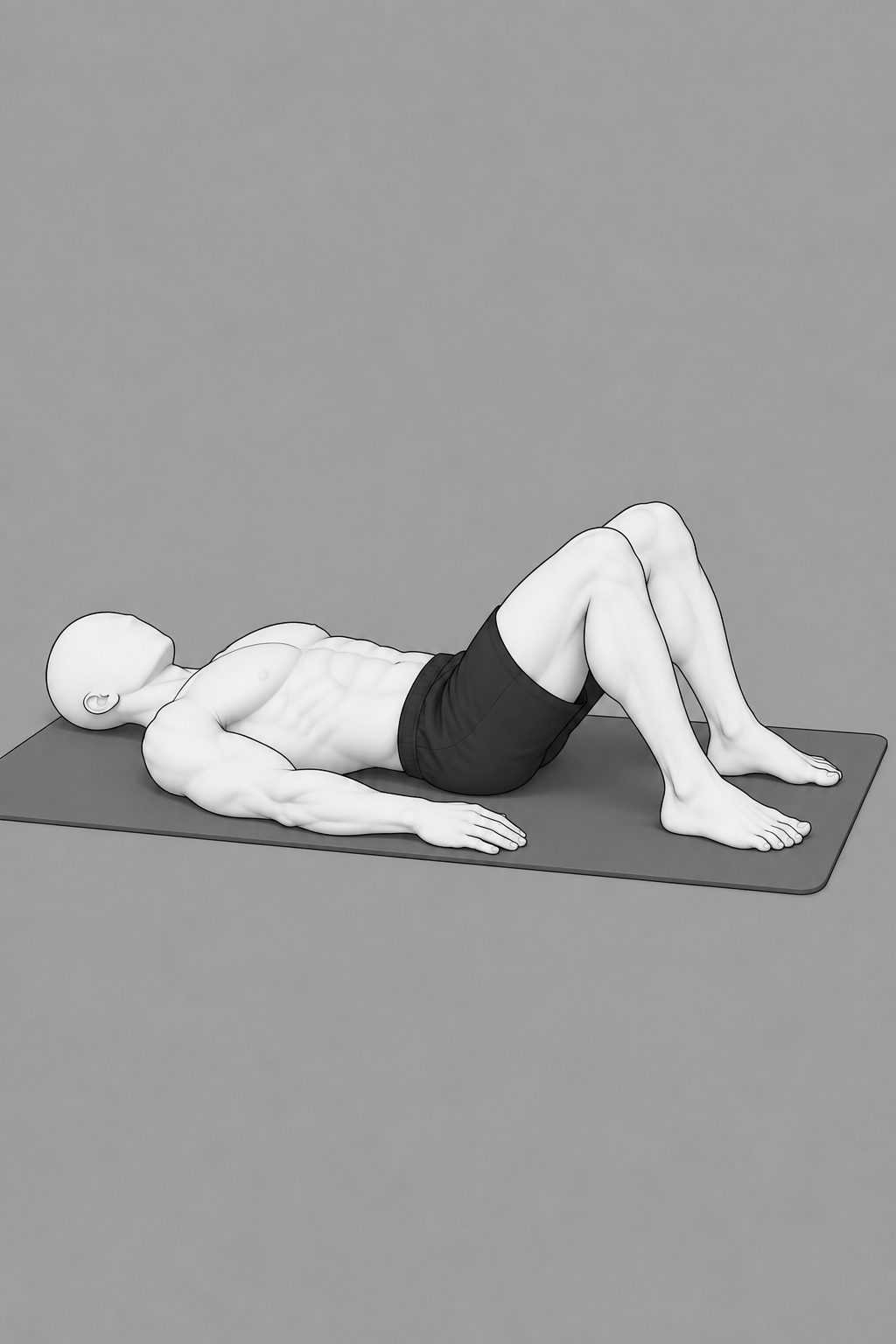
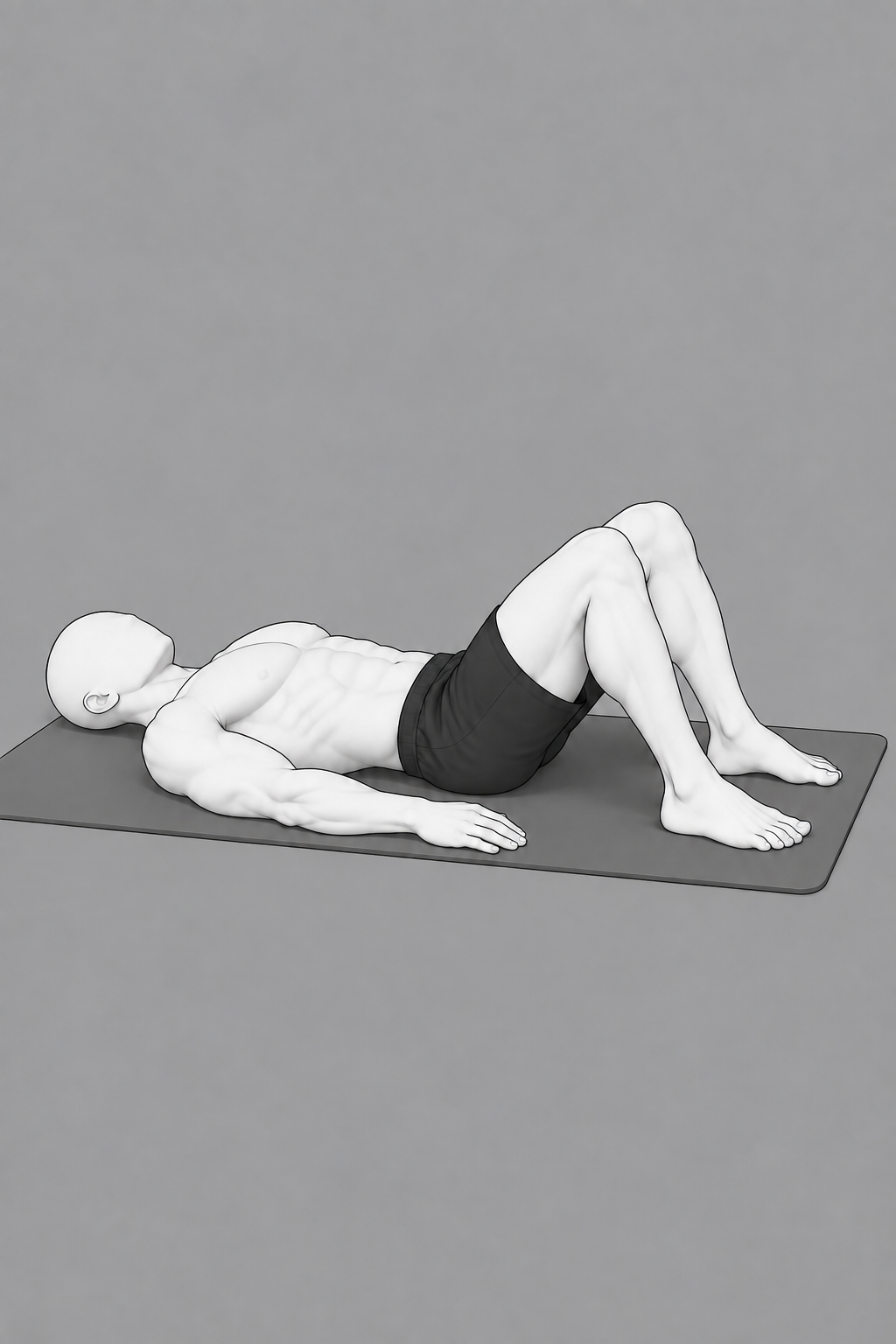
Pelvic Floor Relaxation
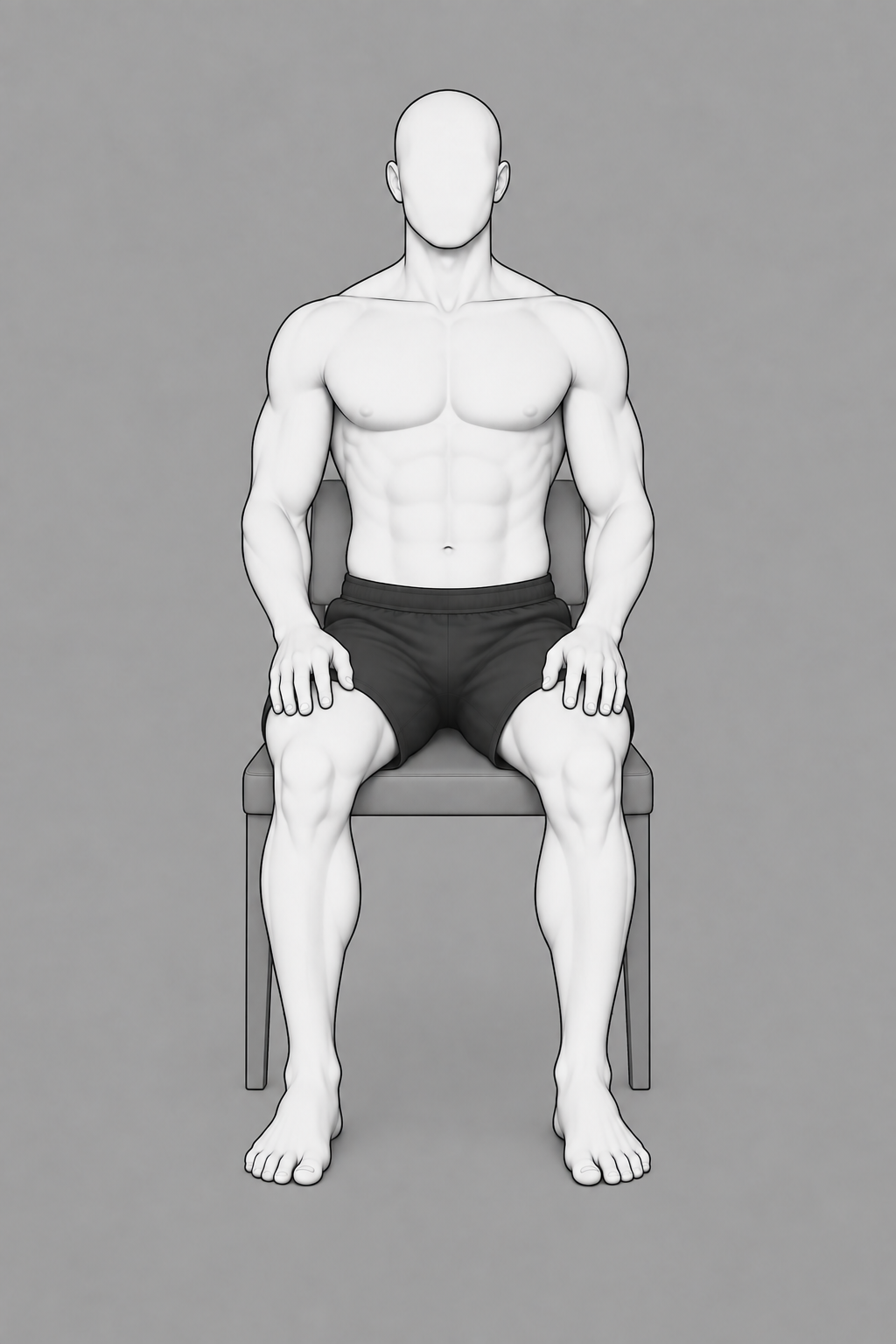
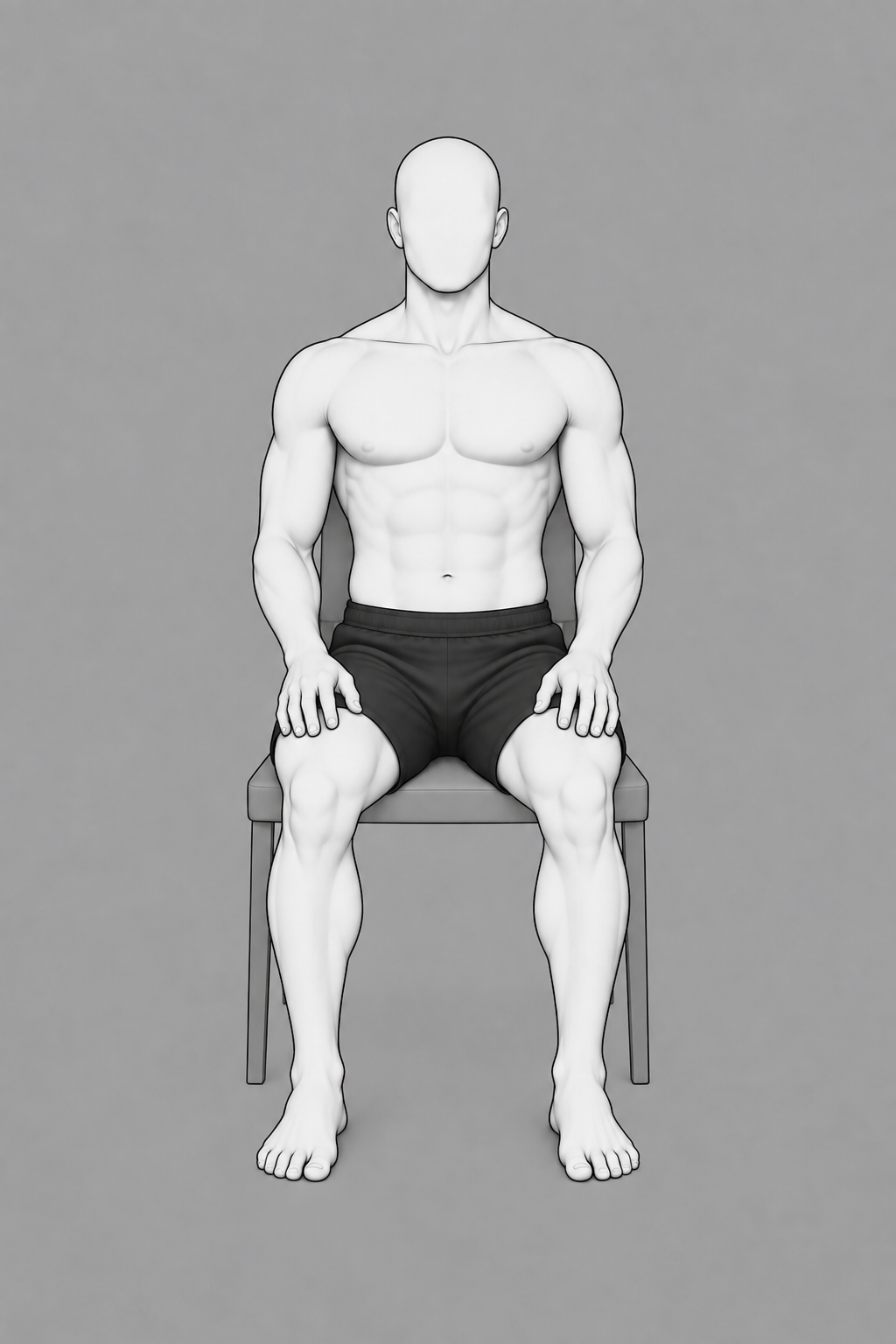
Supportive muscles at the bottom of the pelvis
The pelvic floor is a group of muscles at the bottom of the pelvis that supports internal organs. It contributes to holding urine and stool and includes muscles involved in sexual function. It is not a single surface muscle that you can pinch from outside, so it is normal not to feel the movement precisely at first.
Some men find it easier to sense a gentle inward lift around the urethra and anus. If the main movement is a hard squeeze of the buttocks, braced thighs, or held breath, make the effort smaller. This is not an exercise for checking your shape in a mirror; it is practice in noticing an internal movement.
Use the urine-stop test only once as a check
Repeatedly stopping the stream while urinating can disturb normal emptying. Practice at a time when your bladder is not full. Sit with your feet on the floor, relax your shoulders and abdomen, lift the pelvic floor gently for about one second without holding your breath, then release over about the same amount of time.
The basic movement includes fully letting go, not only squeezing. If you cannot tell whether you have relaxed enough, do not force more repetitions; check whether natural breathing remains easy. If heaviness remains around the pelvis or lower abdomen the next day, pause the training or speak with a qualified healthcare professional.
Why record it as a Routine?
Recording a pelvic-floor exercise day next to morning condition and urinary discomfort on the same date can show whether the habit is easy to continue. BananaUp’s pelvic_floor_basic is a place to record and remember the steps. It does not display the result of a research program as if it were your personal change.
Stronger pelvic-floor muscles do not guarantee a change in sexual function. Muscle work, releasing tension, sleep, and general exercise are separate actions. Review which lines moved with your condition after enough days have accumulated.
Stop if there is pain
Do not continue self-directed training for pelvic pain, difficulty urinating, new leakage, numbness, or symptoms after surgery or injury. Speak with a healthcare professional for pain with ejaculation or blood in the urine. An introductory article about the pelvic floor cannot determine the cause of symptoms.
Start with a small movement and 14-day records
Try a few light contractions followed by complete release without holding your breath. If you want to record days you practiced, deliberately rested, or felt discomfort, choose pelvic_floor_basic from the Routine Finder. With BananaUp’s 14-day tracking, place pelvic-floor records beside sleep and stress so you can review the change in your overall condition.
Sources
Feel good aboutwhere you are lately?
Keep your confidence as a man, ready for the moments that matter.
- Move closer to your ideal self
- Aim higher as a man
- Build confidence