
Pelvic-Floor Training for Men: The Basics and How to Continue
A practical guide to finding the pelvic floor without holding your breath, combining short contractions with rest, and recording the habit.
Key points
When you follow a pelvic-floor exercise video, it can be easy to add more repetitions without noticing. The next day, your lower abdomen may feel tight and you may not know what helped. Decide first to contract while breathing and release completely, rather than chasing a number.
Pelvic Floor Basic
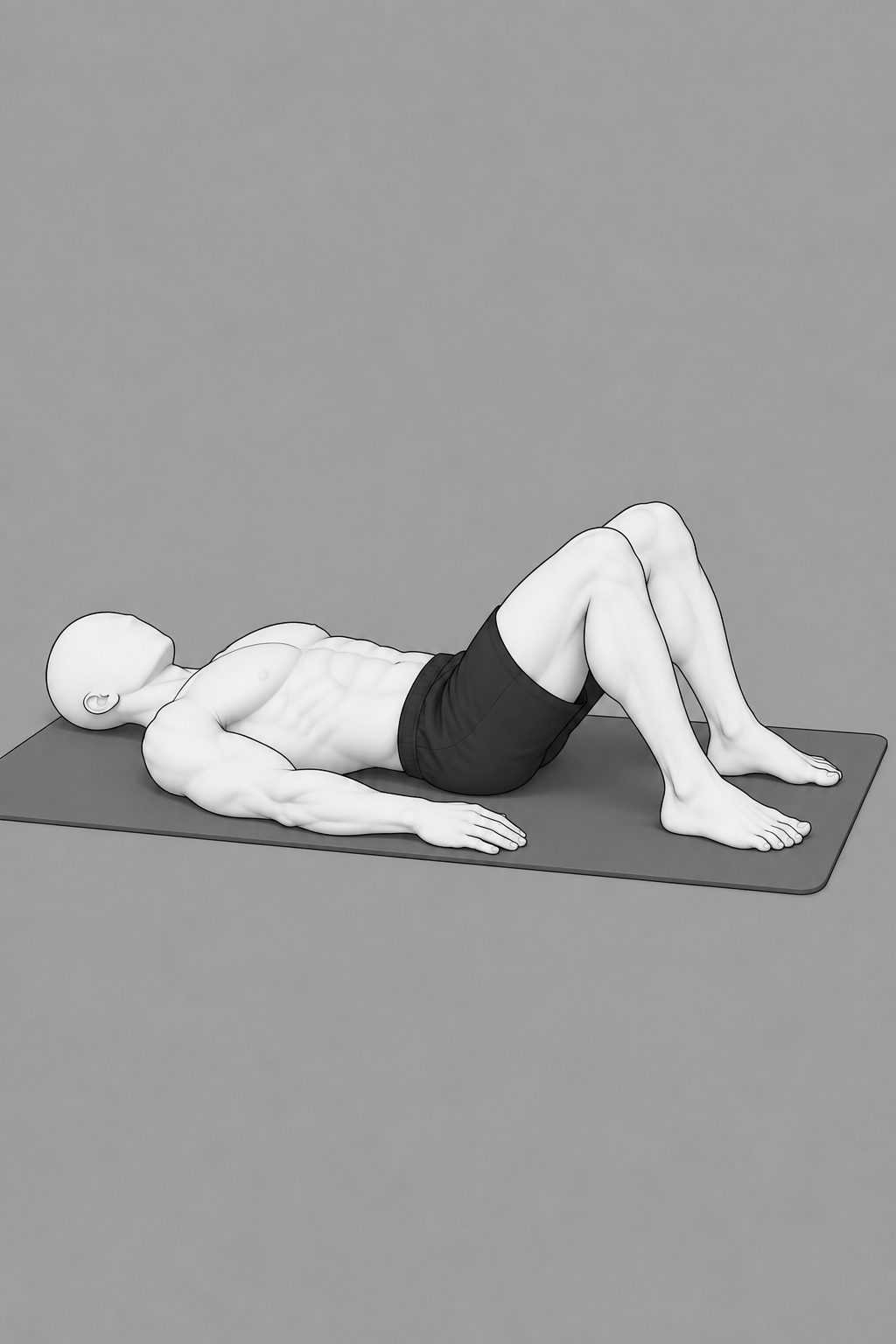
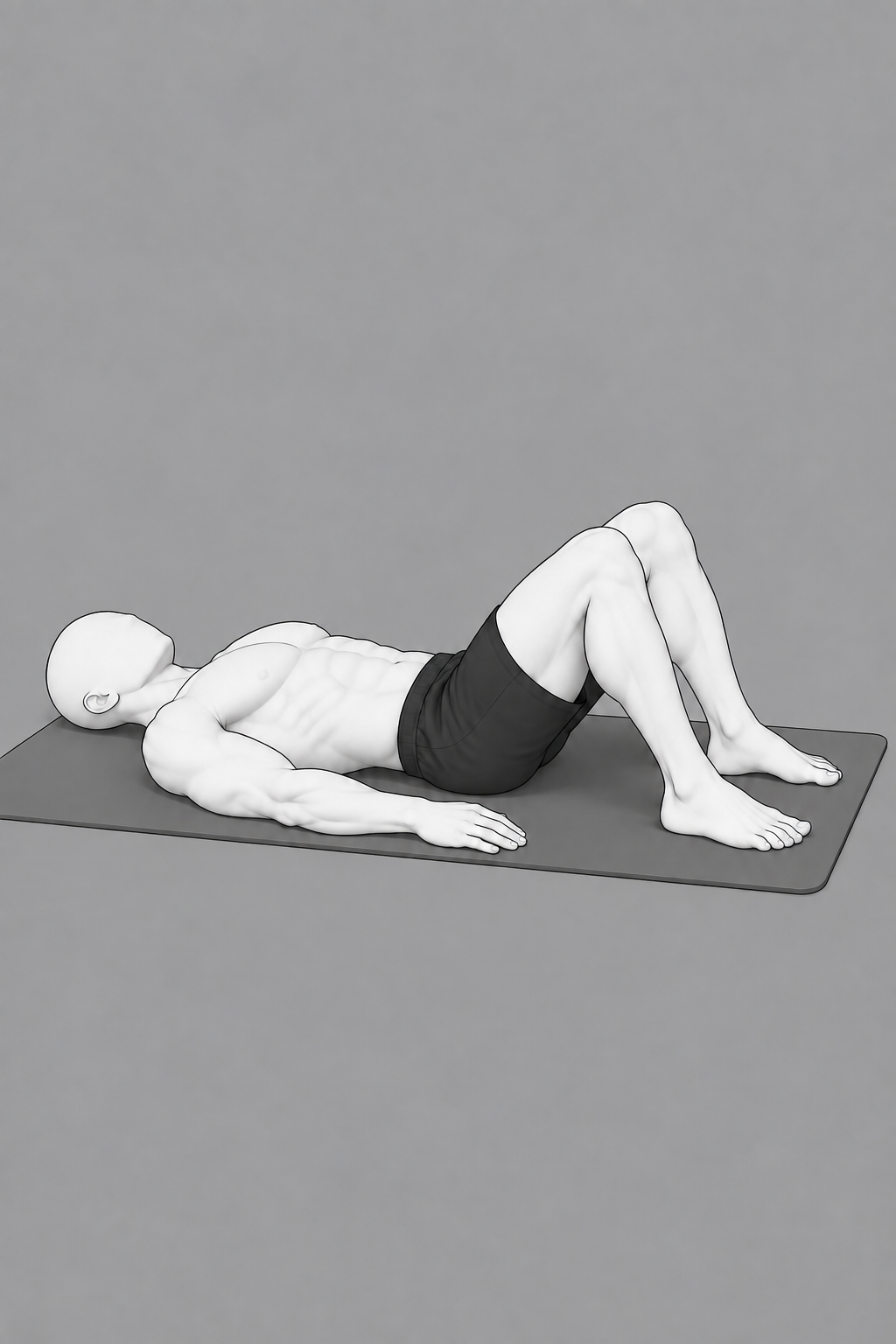
Quick Contractions
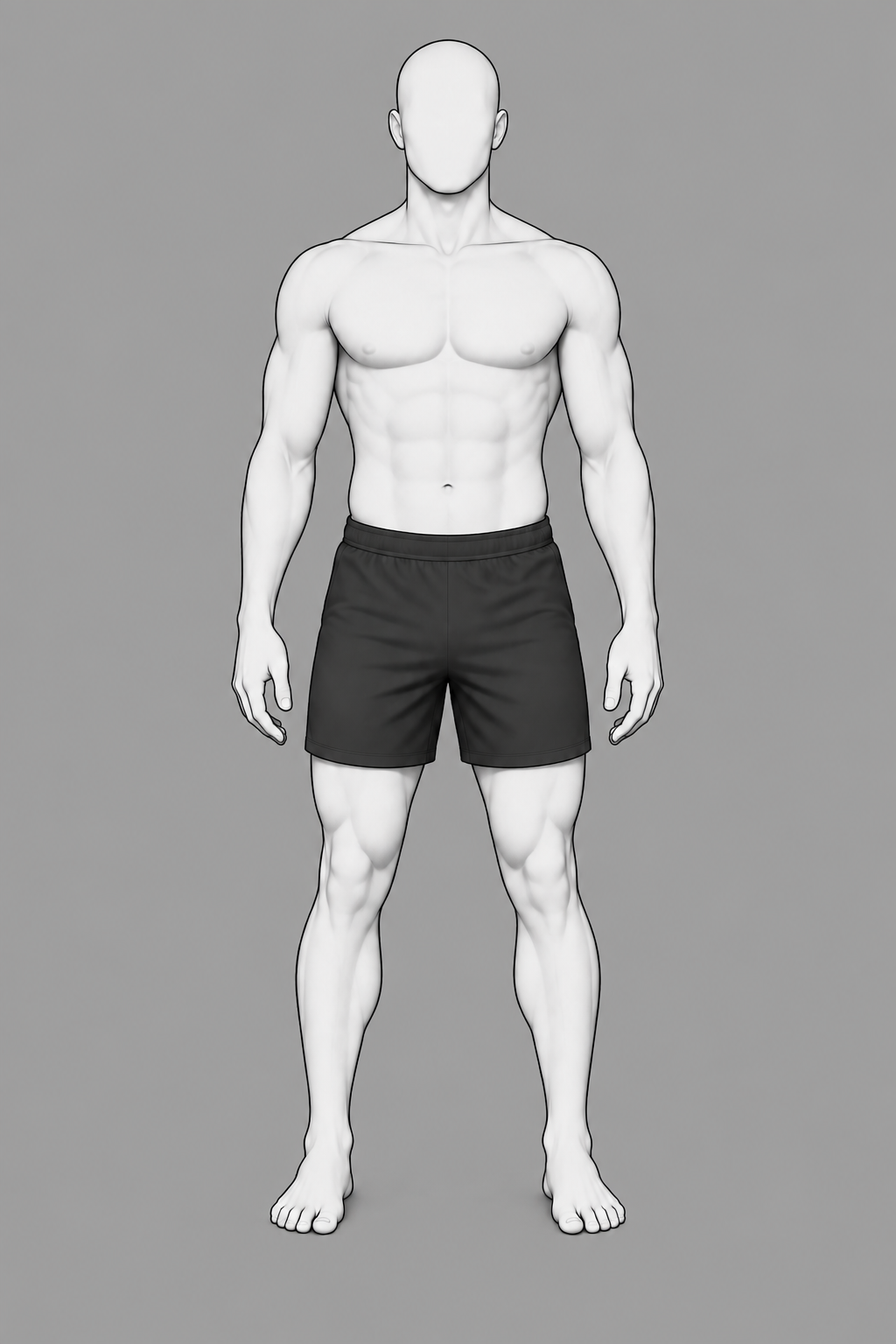
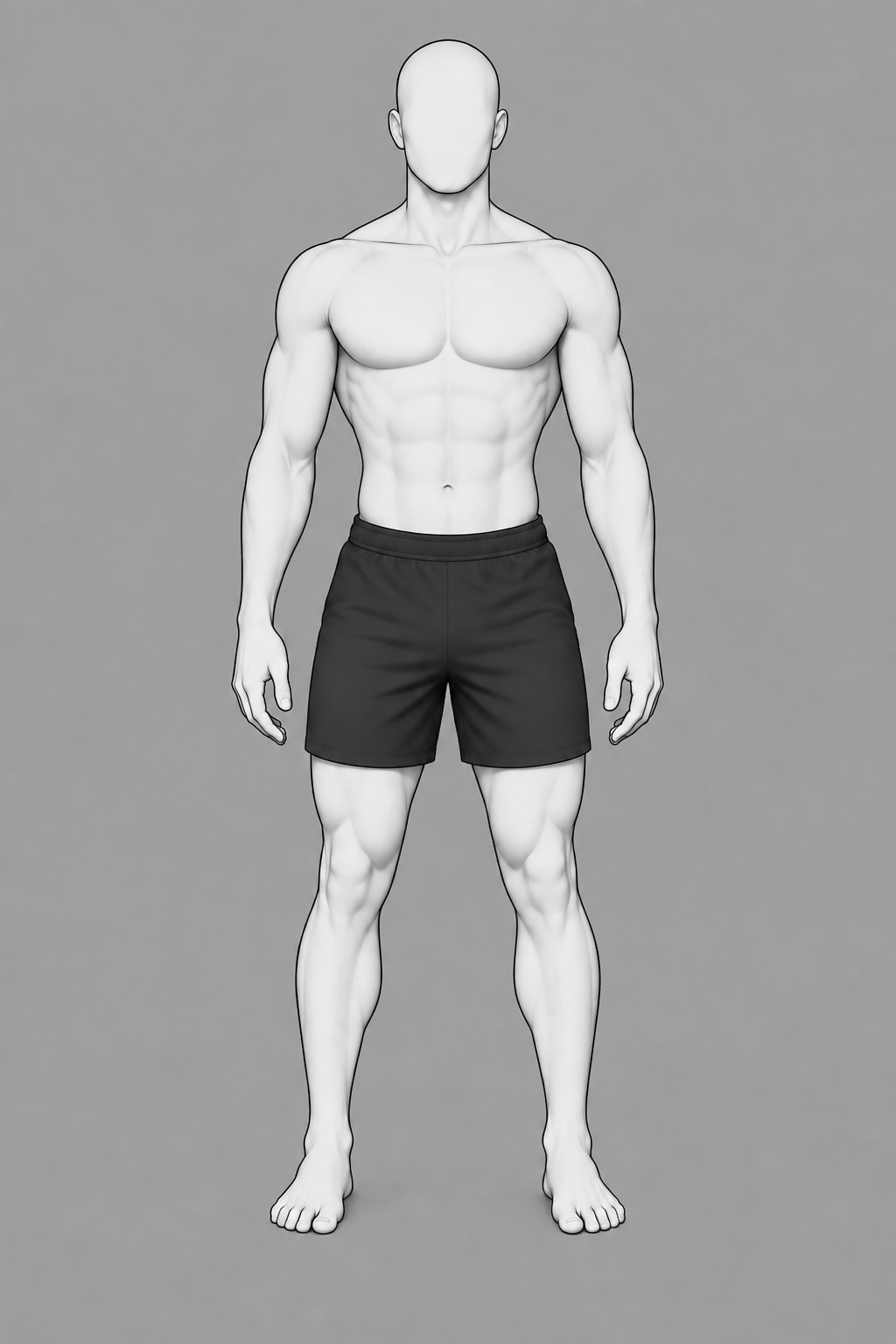
Pelvic Floor Longer Holds
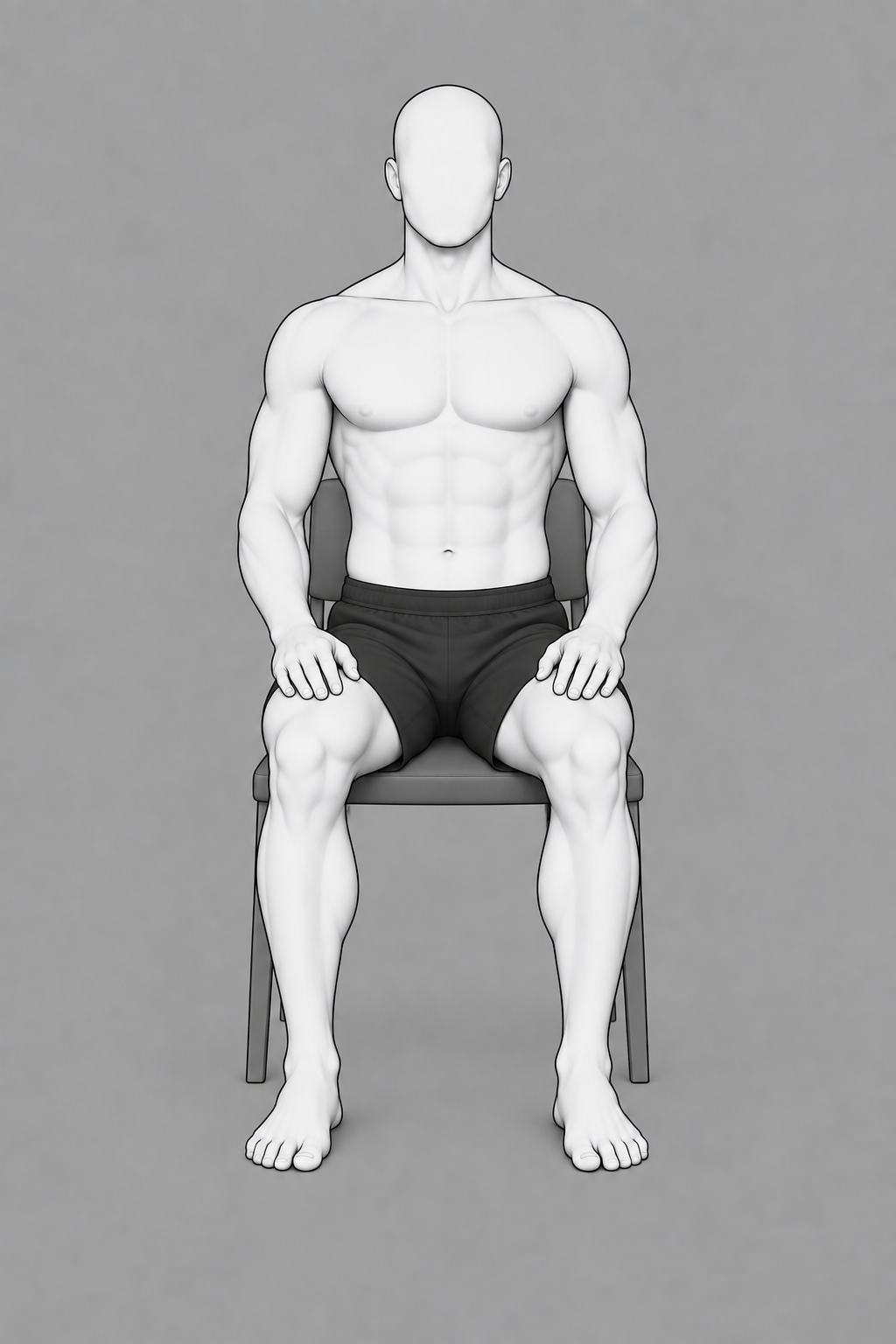
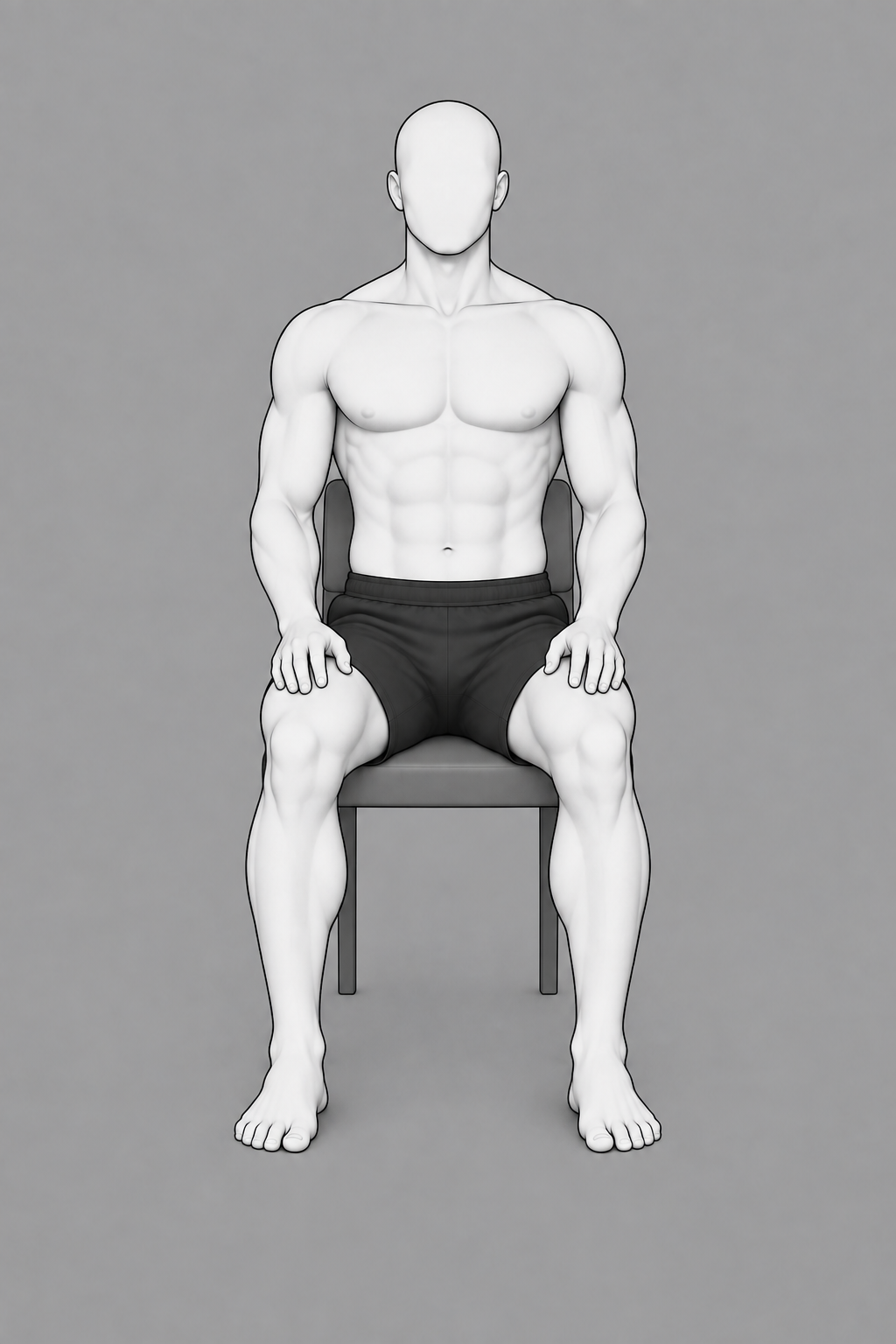
Make the movement smaller before making the contraction stronger
The pelvic floor is a group of muscles at the base of the pelvis involved in holding urine and stool. Practice a light inward lift around the urethra and anus. If your abdomen, buttocks, or thighs become hard, your whole body may be compensating. This is not an exercise for creating a large visible movement.
UrologyHealth materials describe short holds and quick contractions combined with rest. A protocol used in research was studied under the conditions of that trial; it is not a reason to ignore your own pain or urinary symptoms and copy the same amount.
Start with one short set
Sit with your feet on the floor. Exhale and gently lift the pelvic floor for about one second, then release completely over the same amount of time or longer. After a few repetitions, do not immediately add another set; check whether you can breathe normally and whether your abdomen and buttocks remain relaxed. Do not practice while urinating.
One possible starting pattern is a short session on Monday, Wednesday, and Friday with rest between days. This is not a prescription for everyone; it is a way to observe the movement. Stop and seek advice before increasing the amount if pain, pulling, or urinary discomfort appears the next day.
How to do Pelvic-Floor Basic
Choose lying down, sitting in a chair, or standing, whichever lets you keep your abdomen and buttocks relaxed. Keep breathing normally. Gently contract the pelvic floor for 3 seconds, then release completely over 5 seconds. Do not use a forceful squeeze as if you were trying to hold urine or stool.
Repeat the 3-second contraction and 5-second release 10 times for one set. Start with one set. Consider a second set on another day only when the movement stays controlled and there is no next-day discomfort. Stop before pain, pelvic pulling, urinary discomfort, or fatigue builds.
How to do Quick Contractions
Start in a stable seated or standing position. Gently contract for 1 second, release fully, and rest for 2 seconds. Repeat this 1-second contraction and 2-second rest cycle 10 times without rushing.
If your abdomen, buttocks, or thighs tighten with the pelvic floor, reduce the effort or finish for the day. The goal is not to increase speed or repetitions; it is to release completely after each contraction.
How to do Longer Pelvic-Floor Holds
First do several 3-second contractions with 5 seconds of rest and check that you are not bracing. When that feels controlled, use a gentle 5–8-second hold followed by the same length of complete rest.
Complete six repetitions for one set, rest for 1–2 minutes, and add a second set only when it remains comfortable. A shorter hold is fine when 8 seconds is not controlled. Stop if you hold your breath, feel pain, or cannot release afterward, and return to the shorter Basic routine. You do not need to do Basic, Quick Contractions, and Longer Holds all on the same day.
Record quality, not only the count
BananaUp’s Routine log can record the day, contraction seconds, repetitions, and whether you felt discomfort. During the first week, note whether you could hold without holding your breath, whether your buttocks tightened, and how the pelvic area felt afterward. In later weeks, look at whether you could repeat the movement calmly with good form instead of only counting more repetitions.
Five repetitions with complete release may feel better the next day than ten repetitions with constant tension. Chasing numbers can push you toward holding a contraction. Record contraction and release as one unit.
Stop if it feels like too much
Stop and consider medical advice for pelvic pain, lower-abdominal cramping, difficulty urinating, pain with ejaculation, or new leakage. Follow a clinician’s instructions after surgery or injury. Strengthening the pelvic floor does not solve every condition concern.
Try it as a 14-day Routine
Once you choose the days for a short session and the days for rest, add pelvic_floor_basic from the Routine Finder. Record practice in BananaUp’s 14-day tracking and compare sleep, stress, and daily condition under the same dates. Decide whether to continue, rest, or ask for advice based on your response.
Sources
Feel good aboutwhere you are lately?
Keep your confidence as a man, ready for the moments that matter.
- Move closer to your ideal self
- Aim higher as a man
- Build confidence