
Relaxing the Pelvic Floor: Do Not Only Squeeze
Separate pelvic-floor contraction from release and use breathing and body awareness to notice tension without forcing it.
Key points
After a long day of sitting, the pelvic area may feel unsettled. If you respond by squeezing harder, the body may brace itself instead of relaxing. The pelvic floor needs not only contraction but also time to release with the breath.
Pelvic Floor Relaxation
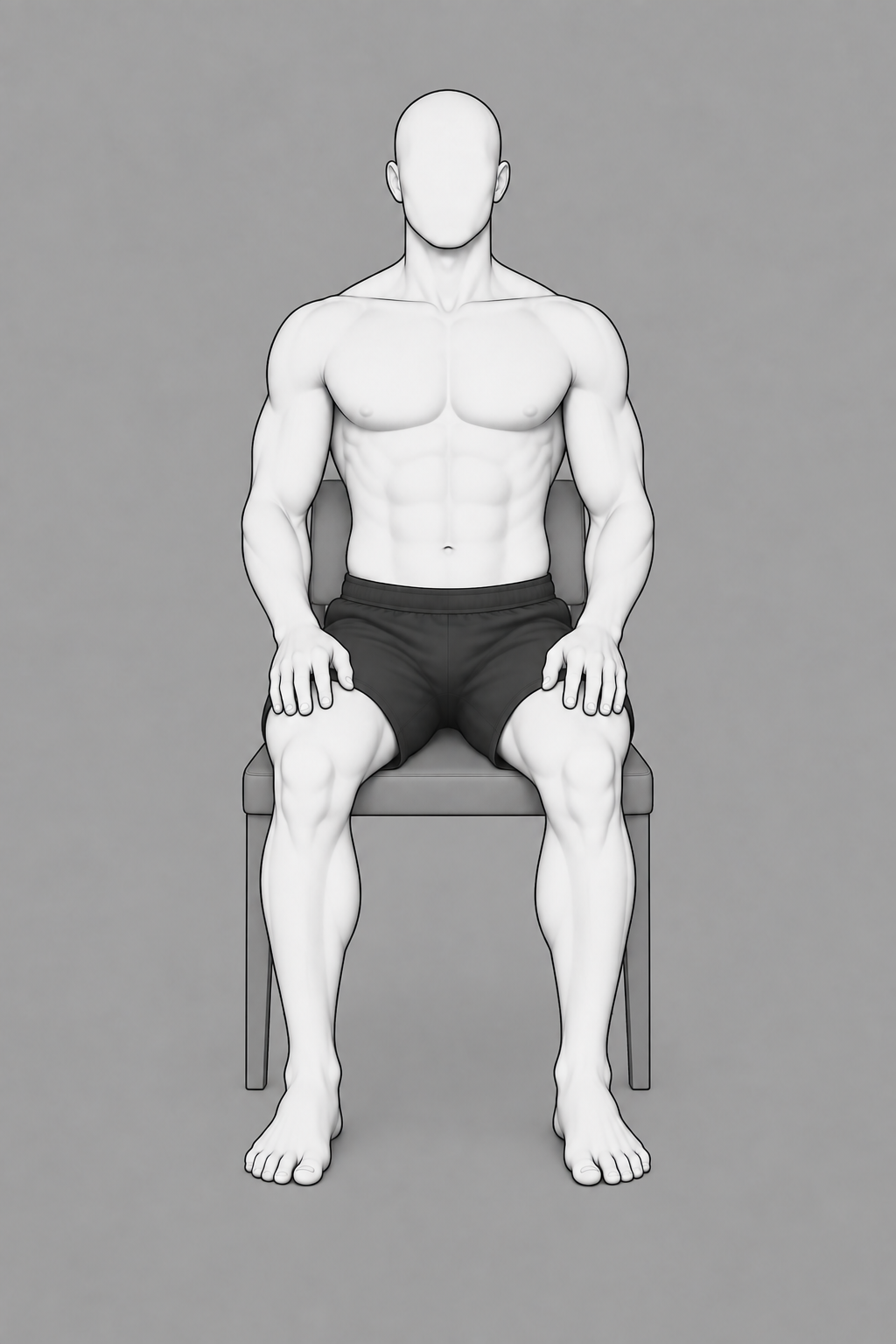
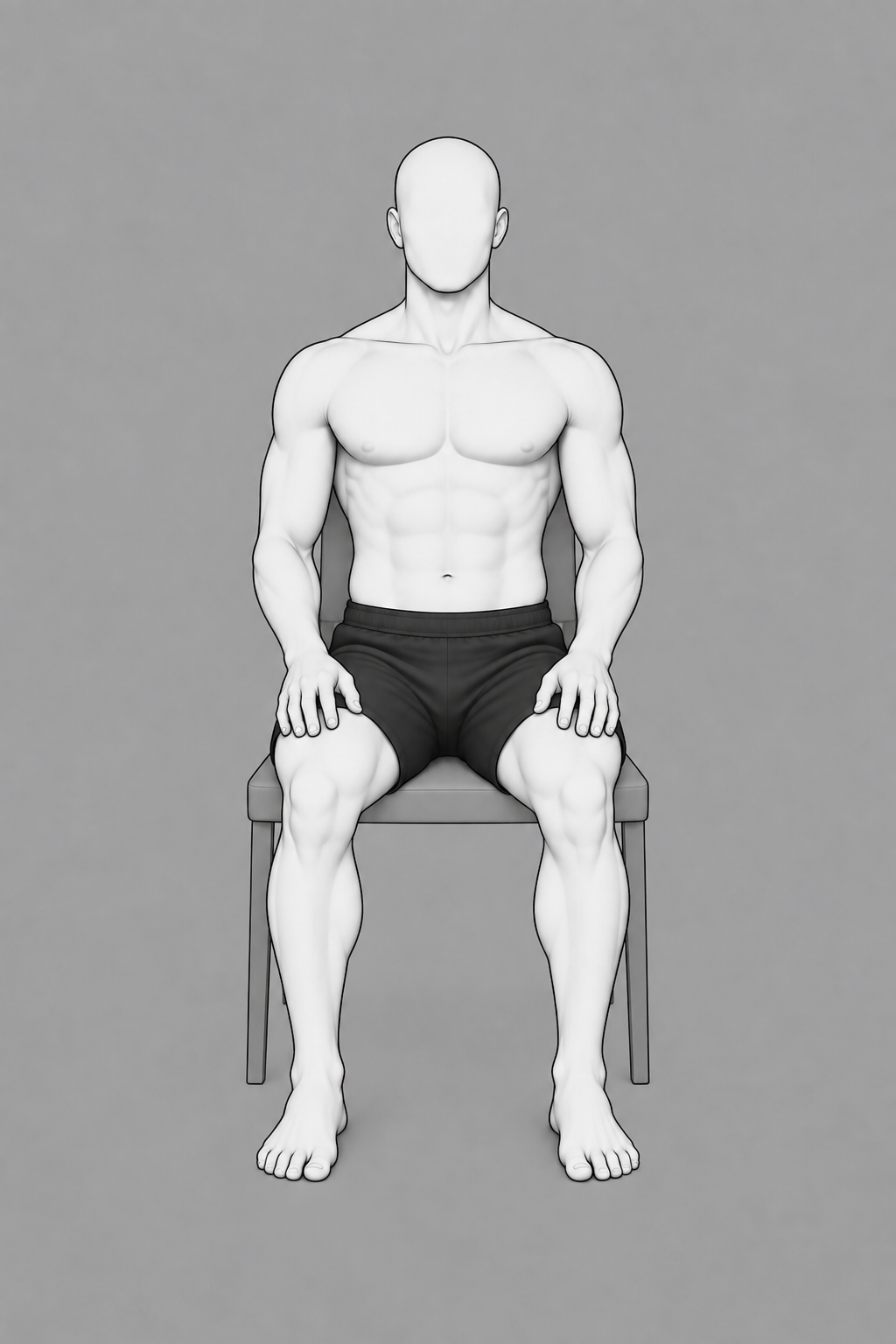
Do not turn tension into a diagnosis
A Urology Care Foundation leaflet describes breathing and attention to muscle sensation as ways to practice relaxing the pelvic floor. This is not a test that tells you “your pelvic floor is overactive.” Pelvic pain and urinary symptoms can have other causes.
The NIDDK also explains that sexual-function problems may involve psychological strain, medication, vascular and nerve conditions, and lifestyle. Feeling tense does not mean that pelvic-floor strengthening alone is the answer.
Track relaxed pelvic-floor time
Lie on your back or sit with back support. Soften your jaw, shoulders, and abdomen. Breathe in comfortably through your nose and make the exhale a little longer. Rather than pressing the pelvic floor downward, wait for the feeling of inner tension to let go. Do not hold your breath or strain.
After five minutes, record whether you feel more comfortable, the same, or tighter than before. Do not turn a lower number into the goal; that can hurry the body’s response. If nothing changes, record the result with sleep, sitting time, and stress instead of judging it as failure.
How to do Pelvic-Floor Relaxation
Lie on your back or sit with back support. Let your jaw, shoulders, abdomen, buttocks, and inner thighs soften, and keep breathing naturally without counting or forcing each breath. Do not add a contraction or press the pelvic floor downward. Remain in this relaxed position for 5 minutes, then record only the time you actually rested.
Stop if pain, numbness, or urinary symptoms appear. This is a recovery practice, not a separate breathing exercise and not a reason to push through discomfort.
Separate contraction days and release days
Record whether tension felt different after pelvic_floor_basic or breathing felt easier after pelvic_floor_relaxation under the same date. Adding more exercises does not always add more information. Separating contraction, release, and rest makes it easier to see which action was present when the sensation changed.
For example, compare a day with five minutes of relaxed pelvic-floor rest after desk work with a day when you hurried through a strong squeeze. Add the next morning’s condition and sleep so that the evening sensation does not become the only measure.
See a professional when there is pain
Contact a healthcare professional instead of continuing self-directed release for pelvic pain, pain with ejaculation, painful urination or inability to urinate, blood in the urine, fever, or symptoms after injury or surgery. Do the same if symptoms are severe, getting worse, or interfering with life.
This Routine is not treatment. Do not endure pain or push through it to “fix” tension; keep information that can help with a consultation.
Find your response over 14 days
Try the pelvic_floor_relaxation routine once and record the before-and-after sensation, sleep, stress, and sitting time. Choose it from the Routine Finder and compare contraction days with rest days in BananaUp’s 14-day tracking. If needed, seek professional assessment before interpreting the article or the log.
Sources
Feel good aboutwhere you are lately?
Keep your confidence as a man, ready for the moments that matter.
- Move closer to your ideal self
- Aim higher as a man
- Build confidence