
How Can You Maintain an Erection More Easily? Firmness and Stability Are Different
When an erection is difficult to maintain, separate firmness from stability in your records and review the factors that may be involved.
Key points
An erection can start firm enough and then fade partway through. On another day, it may feel a little less firm but remain easier to maintain.
BananaUp does not put these experiences into one field. It records subjective firmness as EQ and keeps ease of maintaining an erection as a separate erection_stability entry.
Medically, firmness and ease of maintenance are not necessarily classified as two completely separate diseases. NIDDK’s description of ED includes both difficulty getting an erection and difficulty keeping one long enough for sex.
Separating the records is still useful because it lets you distinguish “it was difficult to become firm” from “it became firm at first but was difficult to maintain.”
Pelvic Floor Basic
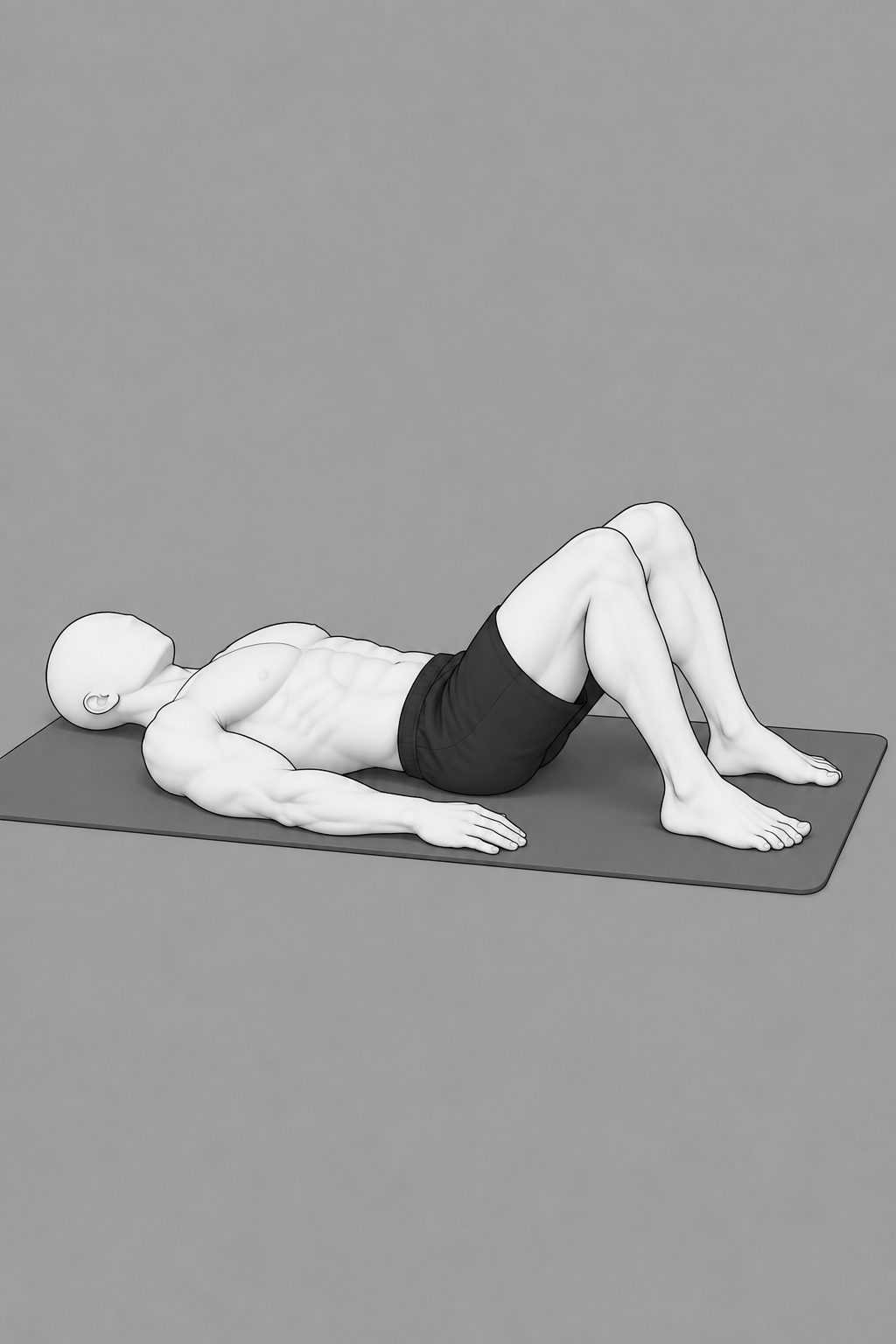
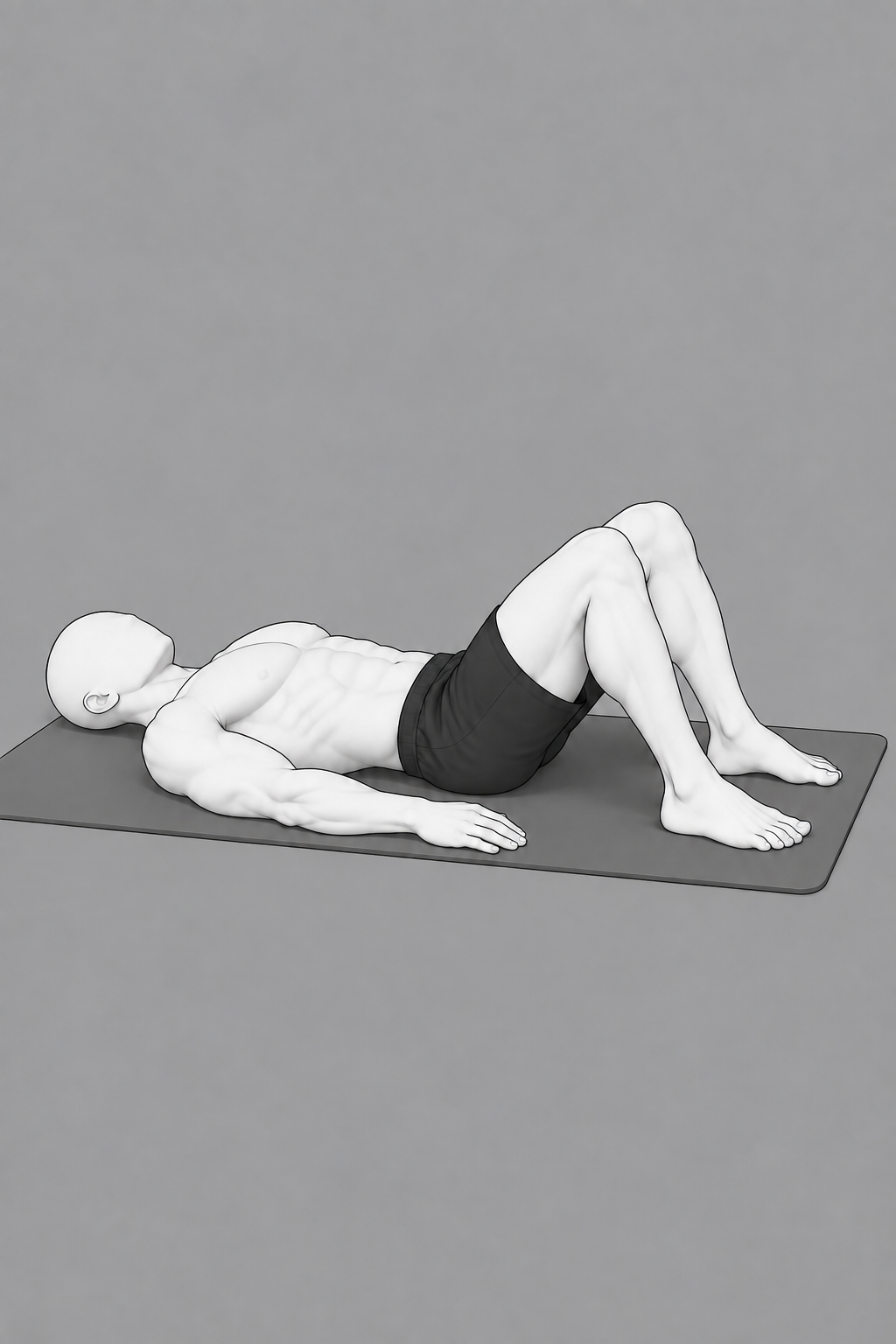
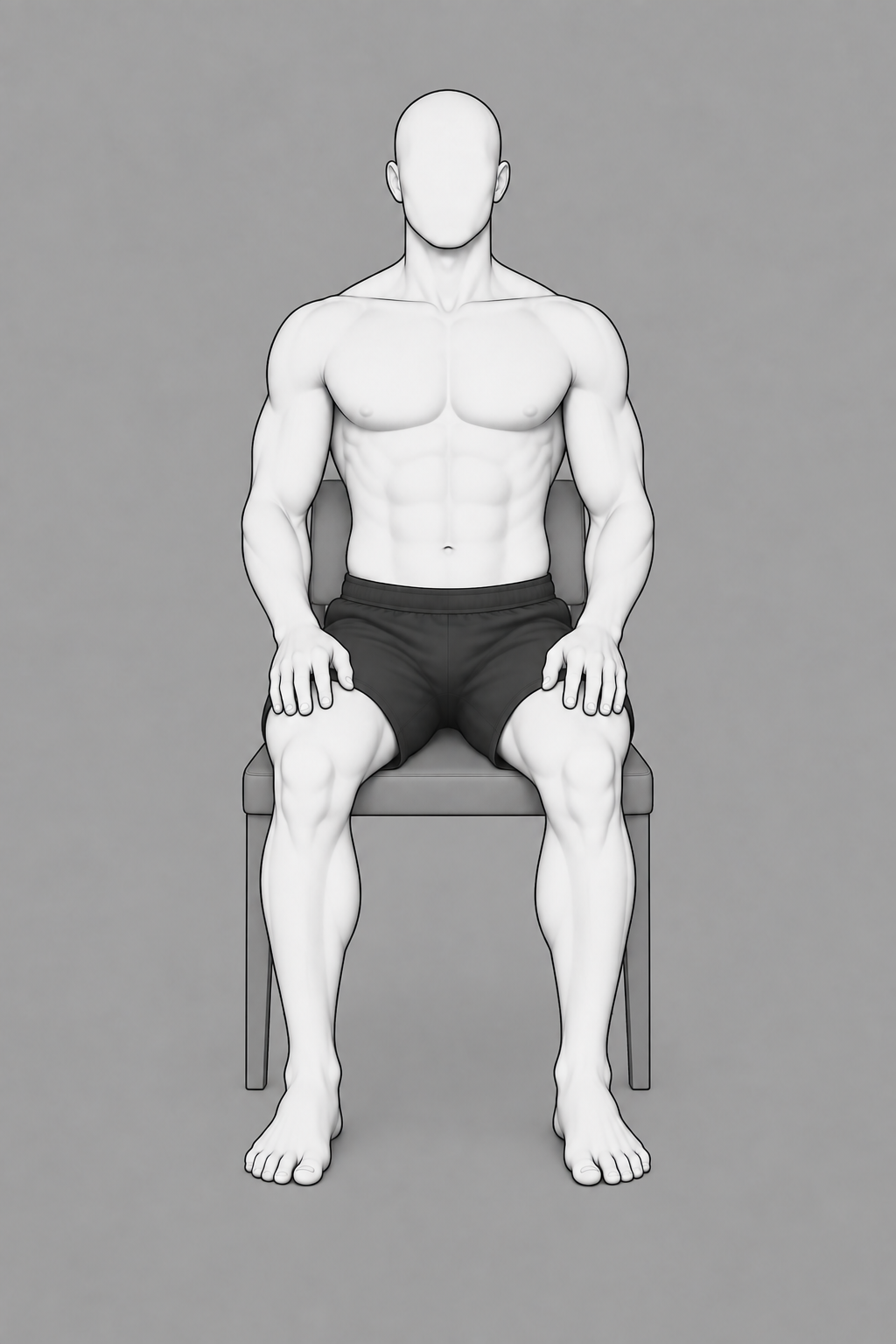
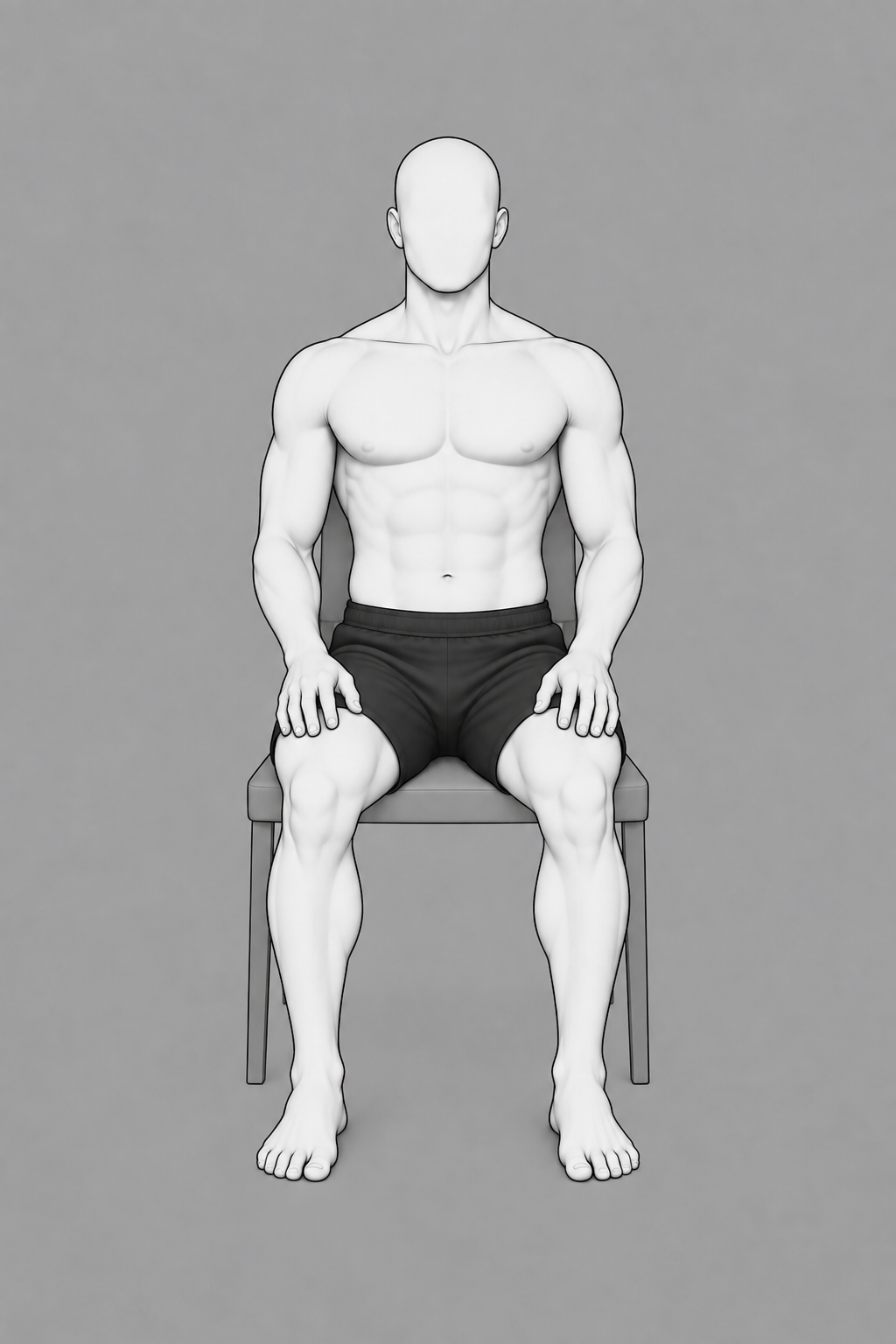
Pelvic Floor Relaxation
An erection is more than blood entering the penis
With sexual stimulation, nerve signals relax penile tissue and allow blood to enter. The expanded tissue reduces venous outflow and keeps blood inside, allowing the erection to continue.
The processes that establish firmness and those that maintain it therefore share important vascular and blood-flow mechanisms.
You cannot diagnose a venous problem yourself from the fact that an erection fades. NIDDK lists vascular, nerve, hormonal, medication-related, stress, anxiety, and lifestyle factors among possible causes of ED. When investigation is needed, a clinician may use history and examination as well as blood tests or ultrasound.
Changes in stimulation or tension can change stability
An erection is not a mechanical switch that stays on once it turns on. Its state can change as sexual stimulation and arousal change.
You may begin thinking “what if it fades again?” and become more tense. NIDDK lists anxiety and stress as factors that can cause or worsen ED.
There is no need to label one difficult day as a physical disorder. Record stress, fatigue, sleep, and alcohol alongside the experience and see whether the same combination repeats.
The pelvic floor is not for squeezing as hard as possible
The male pelvic floor contributes to erectile function. Small randomized controlled trials have reported improved erectile function with interventions that include pelvic-floor exercise and biofeedback.
That does not show that someone who has trouble maintaining an erection can solve it by squeezing the pelvic floor hard and continuously.
BananaUp’s pelvic_floor_basic includes rest after contraction. pelvic_floor_relaxation records time spent releasing tension rather than squeezing. It does not add repetitions or intensity when pelvic pain or heaviness remains.
These Routines are for comparing days with exercise and days with rest, not for responding to one difficult experience by doubling the repetitions.
Record sleep, alcohol, and stress on the same date
If you watch only stability, the context of the day disappears.
Record shorter sleep, higher alcohol intake, unusually high psychological stress, and days with more exercise in the same Daily Log. Rather than reacting to one isolated result, group comparable days after enough records have accumulated and review the trend objectively.
This is why BananaUp separates EQ from erection_stability. You can find days when firmness was similar but maintenance felt different.
Morning erection condition is also a separate field, so a morning that was normal while sexual activity later that night was difficult to maintain does not disappear inside one combined score.
Do not decide that “difficulty maintaining means this one cause”
Online explanations often reduce an erection that fades to one cause. Self-records cannot separate vascular, nerve, hormonal, psychological, and other factors by themselves.
Consider whether it happens occasionally, continues for several weeks, or changed suddenly compared with before.
If difficulty getting or maintaining an erection continues for several weeks, bring your records to a healthcare professional. Medication, medical conditions, and the time when the change began are useful information in a consultation.
Seek care rather than trying more training if there is penile pain, a change after injury, sudden curvature or deformation, bleeding, or difficulty urinating.
Use the Male Condition Check to organize lifestyle factors. In 14-day tracking, keep EQ and stability separate while comparing them with sleep, stress, and Routines.
Sources
- https://www.niddk.nih.gov/health-information/urologic-diseases/erectile-dysfunction
- https://www.niddk.nih.gov/health-information/urologic-diseases/erectile-dysfunction/symptoms-causes
- https://www.niddk.nih.gov/health-information/urologic-diseases/erectile-dysfunction/diagnosis
- https://www.niddk.nih.gov/-/media/Files/Urologic-Diseases/Erectile_Dysfunction_Section_508.pdf
- https://uroweb.org/guidelines/sexual-and-reproductivehealth/chapter/management-of-erectile-dysfunction
- https://pubmed.ncbi.nlm.nih.gov/15527607/
Feel good aboutwhere you are lately?
Keep your confidence as a man, ready for the moments that matter.
- Move closer to your ideal self
- Aim higher as a man
- Build confidence