
Should You Train the Pelvic Floor Every Day? Frequency, Repetitions, and Overtraining
We review whether men need daily pelvic-floor training, how repetitions vary, and how to recognize that more is not helping.
Key points
Once you start pelvic-floor training, it is easy to wonder whether daily practice will change things faster or whether ten repetitions are too few.
Some male pelvic-floor programs are daily. Research and clinical guidance do not establish one frequency or repetition count that fits everyone.
A 2019 systematic review likewise found large differences in frequency, intensity, duration, and professional involvement across studies of pelvic-floor training for ED or premature ejaculation. It could not identify one shared “best protocol.”
Pelvic Floor Basic
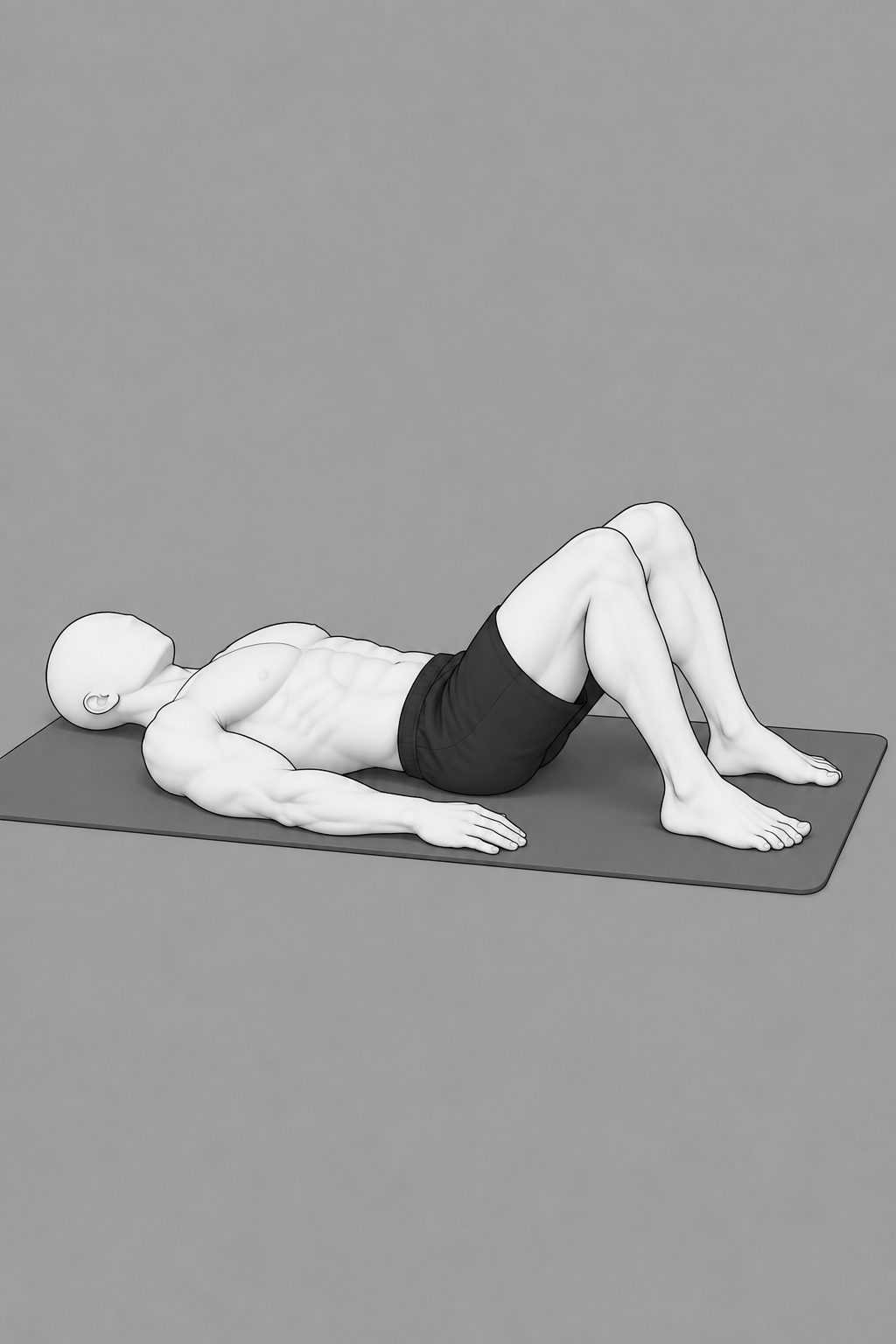
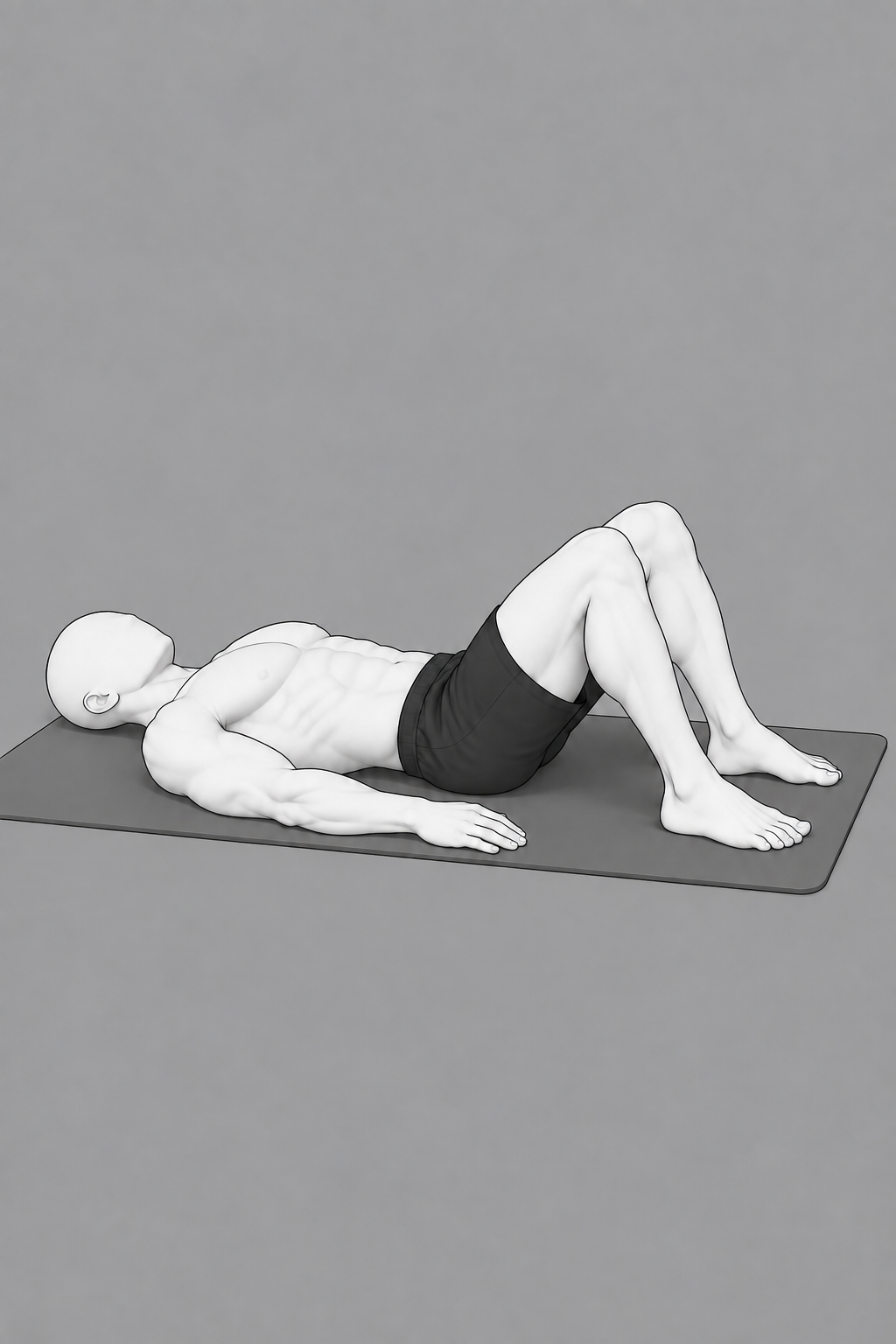
Pelvic Floor Longer Holds
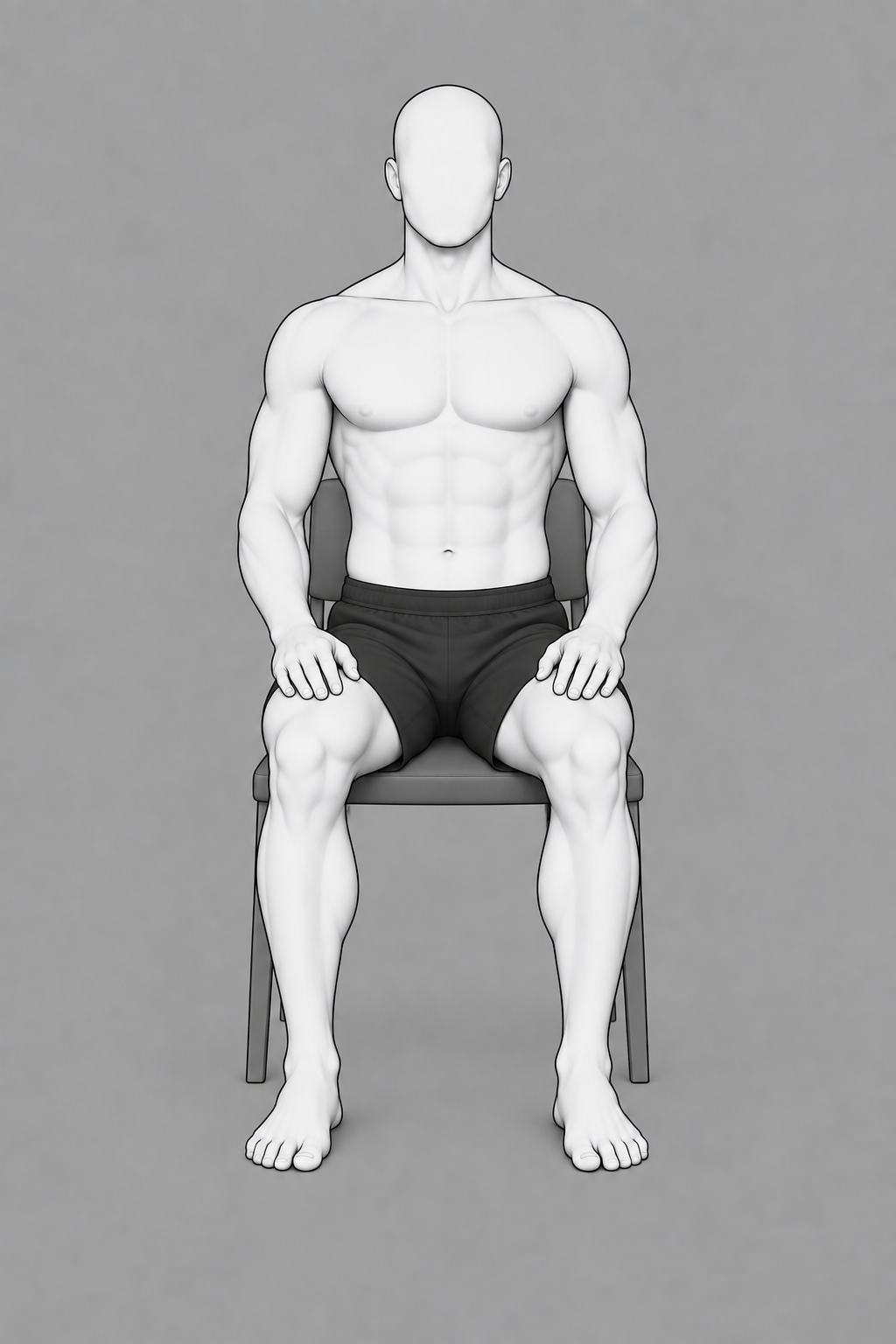
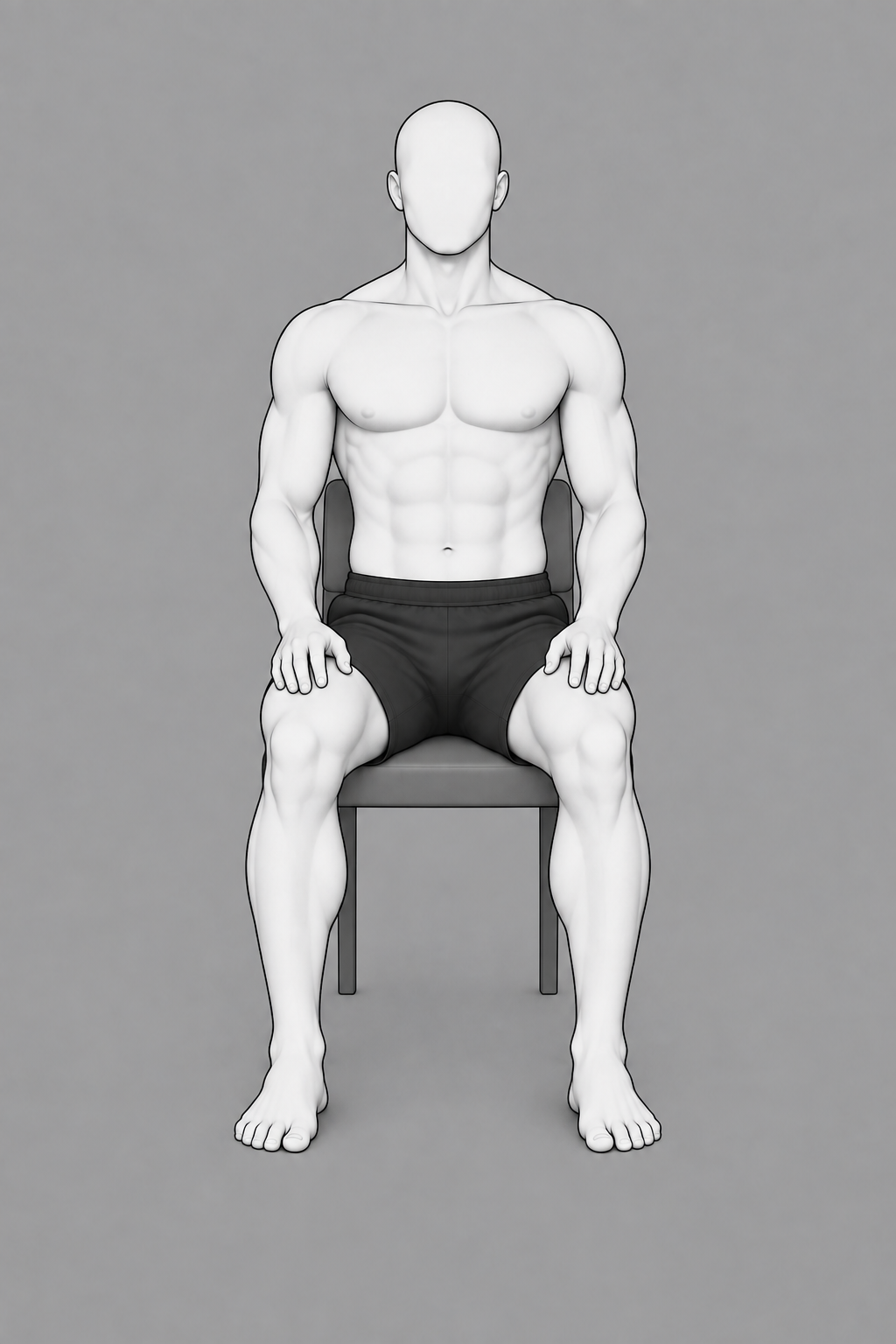
Quick Contractions


Pelvic Floor Relaxation
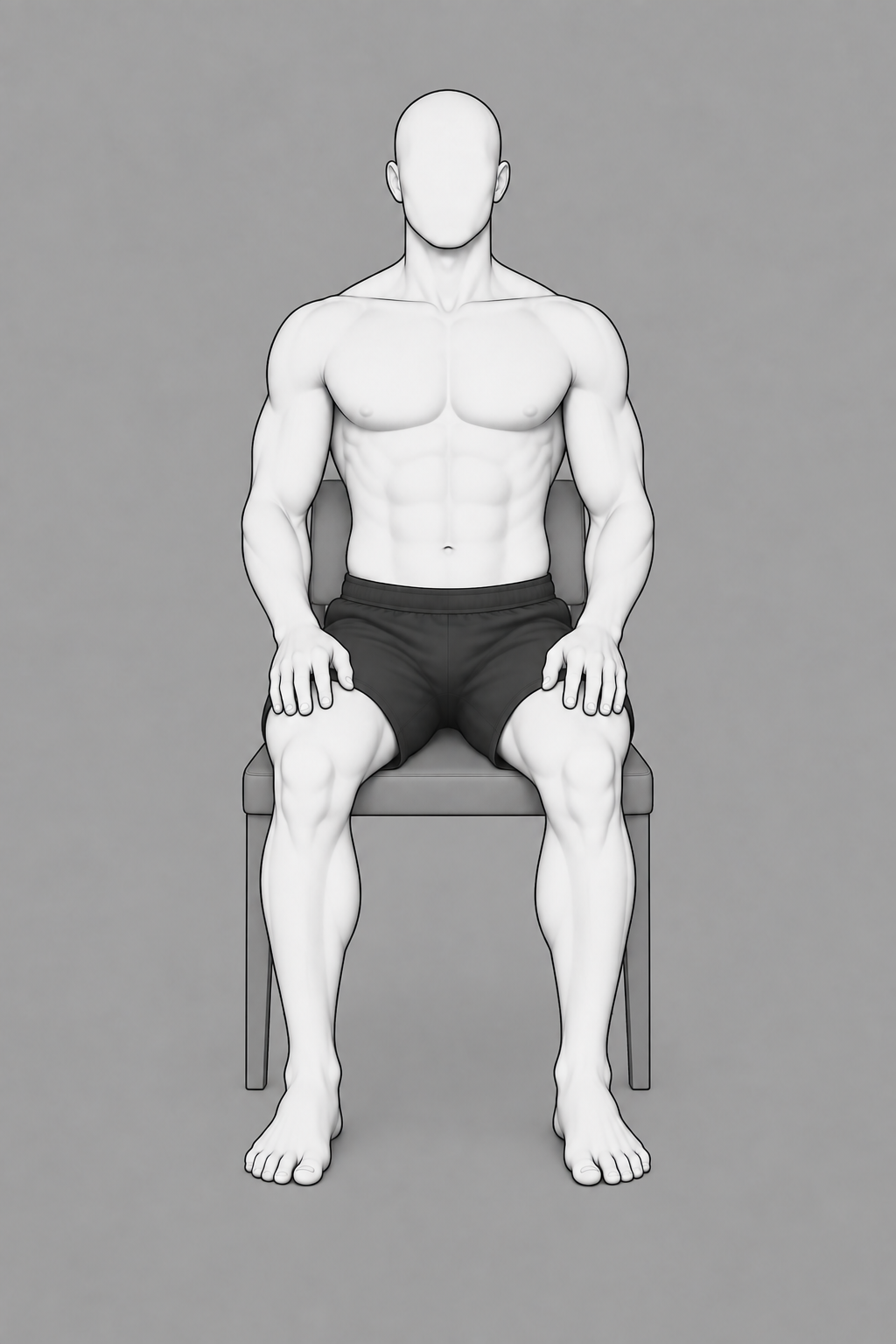
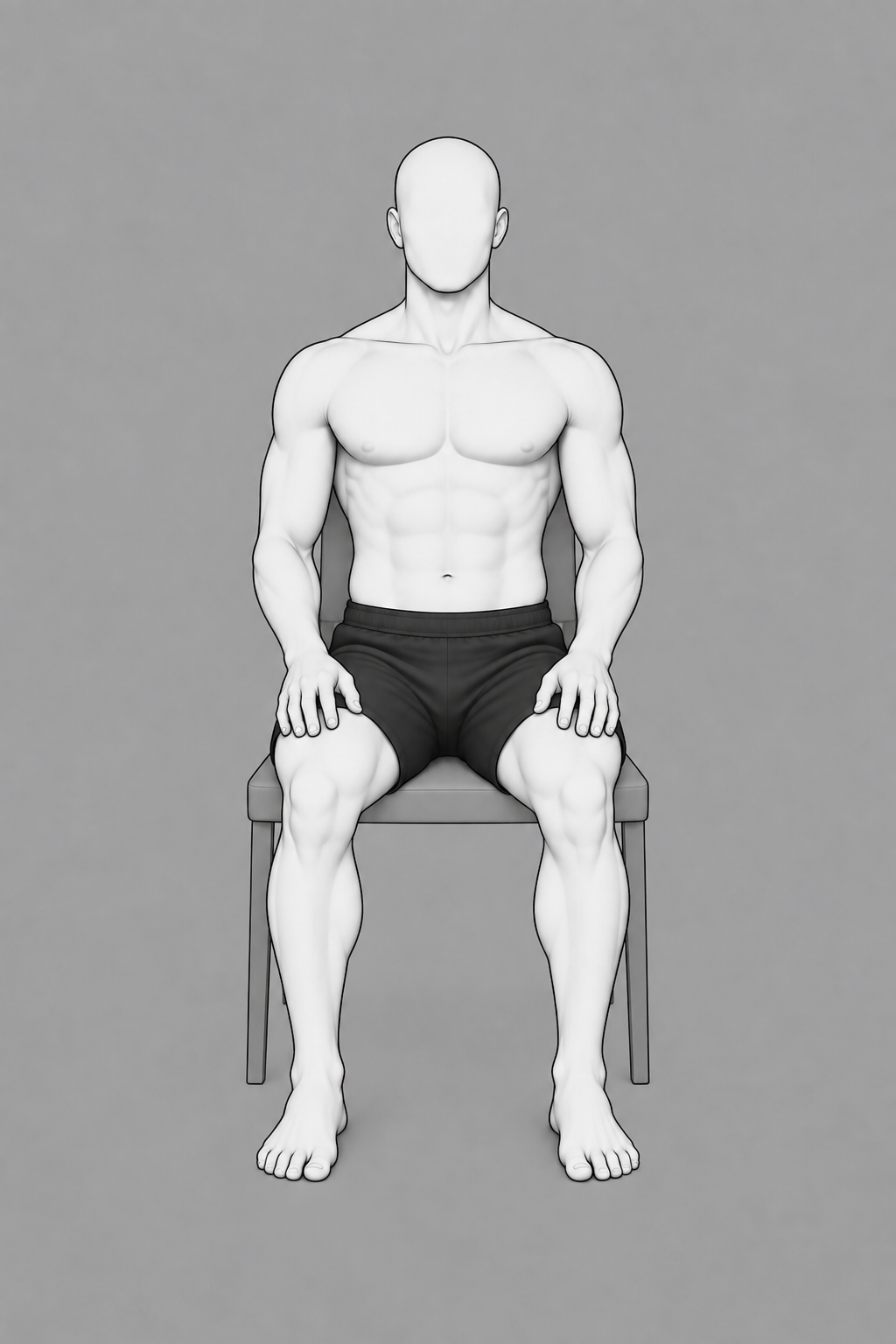
Daily guidance exists, but services use different counts
Some UK healthcare services recommend male pelvic-floor exercise as a daily habit.
Gloucestershire Hospitals NHS Foundation Trust suggests a set of eight long contractions and eight short contractions, three sets per day. Royal Free London suggests combining long and short contractions and trying three to six sets per day.
The numbers differ because the person’s pelvic-floor condition, goal, surgical history, symptoms, and experience differ. One service is not necessarily wrong.
BananaUp does not set a rule that dozens of contractions per day are correct. It starts with a smaller amount in pelvic_floor_basic.
Check whether “complete release” is missing
When you focus only on contraction seconds, rest often becomes too short.
Several NHS resources advise fully relaxing the muscles after a contraction, breathing normally, and avoiding extra tension in the abdomen, buttocks, and thighs.
Even if you can contract for three seconds, make room for rest if tension remains until the next contraction.
BananaUp’s pelvic_floor_basic uses a light three-second contraction followed by five seconds of rest, then can progress to a five-second hold when controlled.
Count “contract, then fully release” as one repetition.
How do you recognize too much pelvic-floor training?
There is no universal number at which training becomes too much.
Look at how you feel during and after the exercise. NHS guidance for men notes that the pelvic floor can fatigue, so quality should come first and pain or discomfort should not be pushed through.
BananaUp does not encourage raising intensity when pelvic or lower-abdominal heaviness, pain, numbness, or difficulty urinating appears.
Instead of mechanically doubling the count because you completed ten yesterday, check carefully whether excessive tightness or discomfort remains the next day.
You do not need Basic and Endurance on the same day
BananaUp has several Pelvic Floor Routines, but they are not a menu to complete all at once.
pelvic_floor_basic is an entry point for learning short contraction and full release. When that feels controlled, progress the same routine to a five-second hold or move to pelvic_floor_endurance. quick_contractions is another separate option.
If Basic is in today’s Routine, there is no benefit in assuming you must add Endurance too; doing every pelvic-floor menu on the same day is not better.
The pelvic floor needs to switch between contraction and release, not only become stronger. On a tired day, choose pelvic_floor_relaxation or record a rest day.
Review weeks, not only a few days
Pelvic-floor training has not been studied as an instant technique for changing firmness on the spot.
NHS guidance explains that changes in muscle control may take weeks to months. Research interventions also use periods of several months.
That is why a sustainable amount with consistent records is easier to assess than a large amount for three days.
BananaUp keeps pelvic-floor days, rest days, EQ, ease of maintenance, sleep, and stress under the same dates.
If exercise causes pain, urination becomes difficult, or pelvic discomfort continues, do not keep self-adjusting by only reducing repetitions. Speak with a healthcare professional or a physiotherapist experienced with the pelvic floor.
The Routine Finder helps review options that fit your experience and available time. With 14-day tracking, keep practice and rest on one timeline.
Sources
- https://pubmed.ncbi.nlm.nih.gov/30979506/
- https://www.gloshospitals.nhs.uk/your-visit/patient-information-leaflets/pelvic-floor-exercises-men/
- https://www.royalfree.nhs.uk/patients-and-visitors/patient-information-leaflets/pelvic-floor-exercises-male-patients
- https://dynamichealth.nhs.uk/help-and-advice/pelvic-health/pelvic-floor-exercises-for-men/
Feel good aboutwhere you are lately?
Keep your confidence as a man, ready for the moments that matter.
- Move closer to your ideal self
- Aim higher as a man
- Build confidence