

Do Penile Traction Devices Work? Length, Girth, and Medical Traction Research
What the 2026 ICSM recommendations and EAU guideline say about penile traction, length, girth, and the limits of the available evidence.
Key points
Some penis-enlargement methods use a dedicated device to pull the penis in one direction.
Unlike jelqing or self-directed hanging with weights, medical Penile Traction Therapy, or PTT, has clinical research.
The 2026 ICSM recommendations present penile traction as one option for length. The expected change is limited, and research on dedicated devices and conditions cannot be converted into self-directed pulling (Chung et al., 2026).
Standard manual stretching
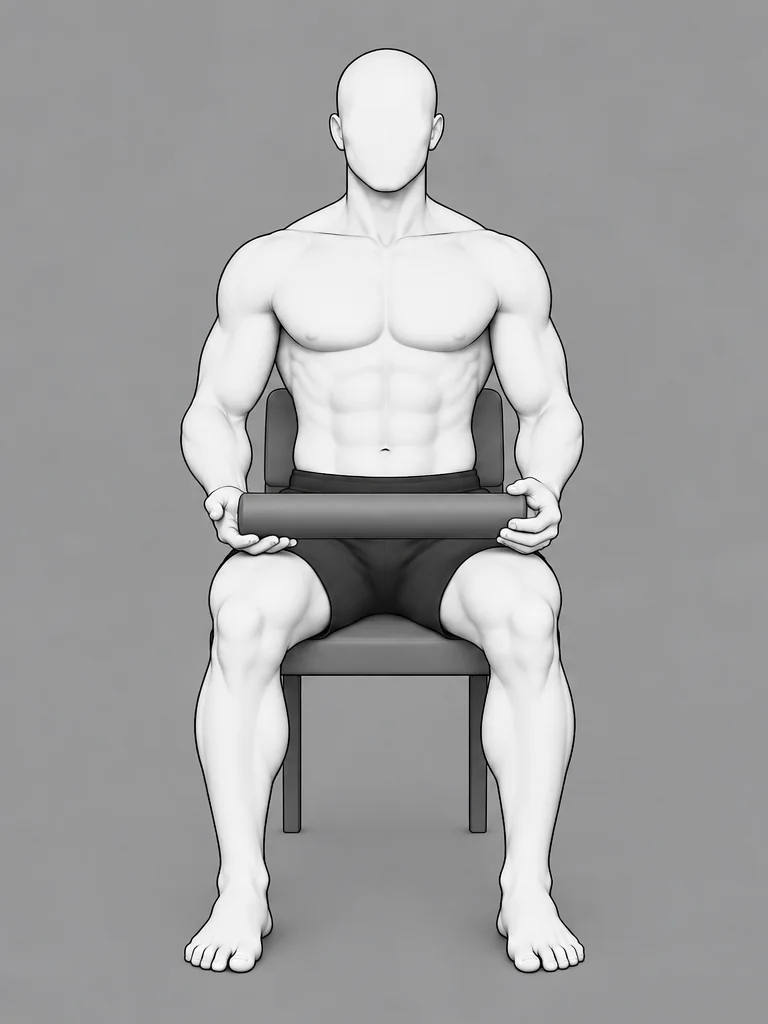
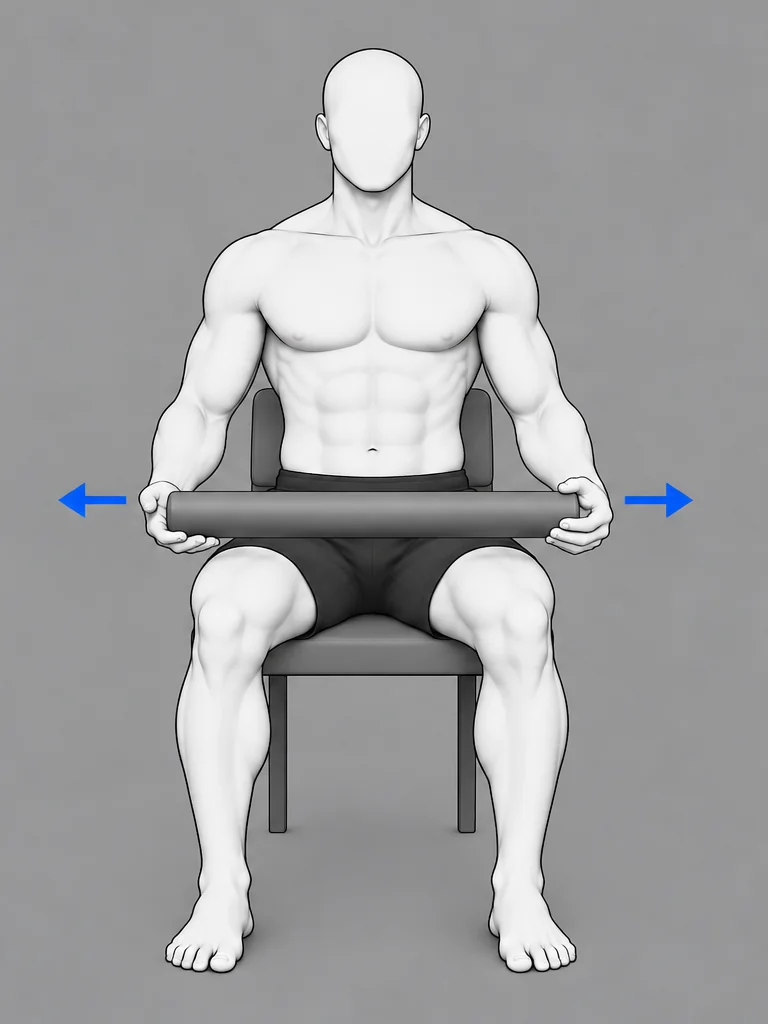
A cylindrical model illustrates the movement direction.
Rotary stretch
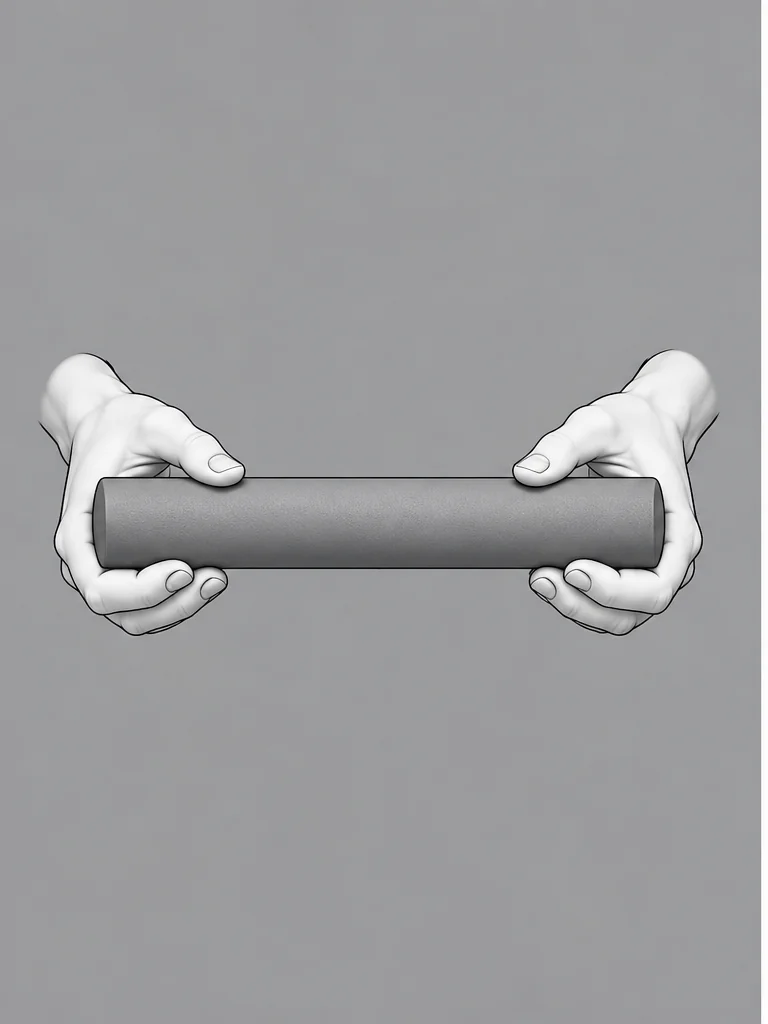
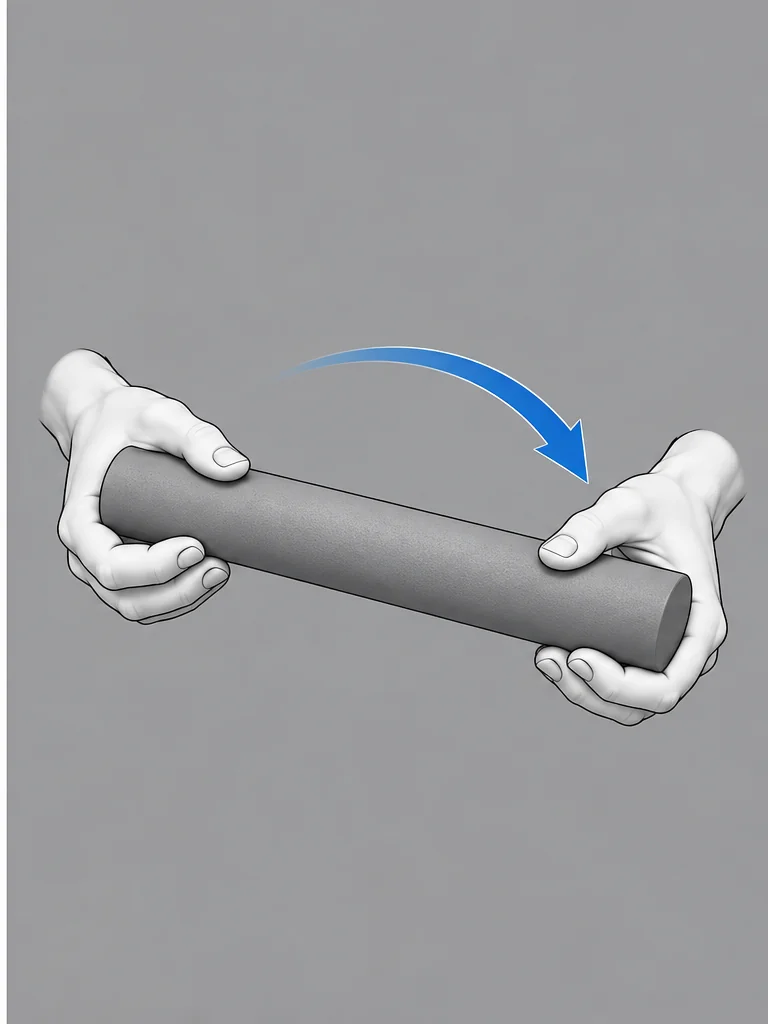
A cylindrical model illustrates the movement direction.
Tunica tugs
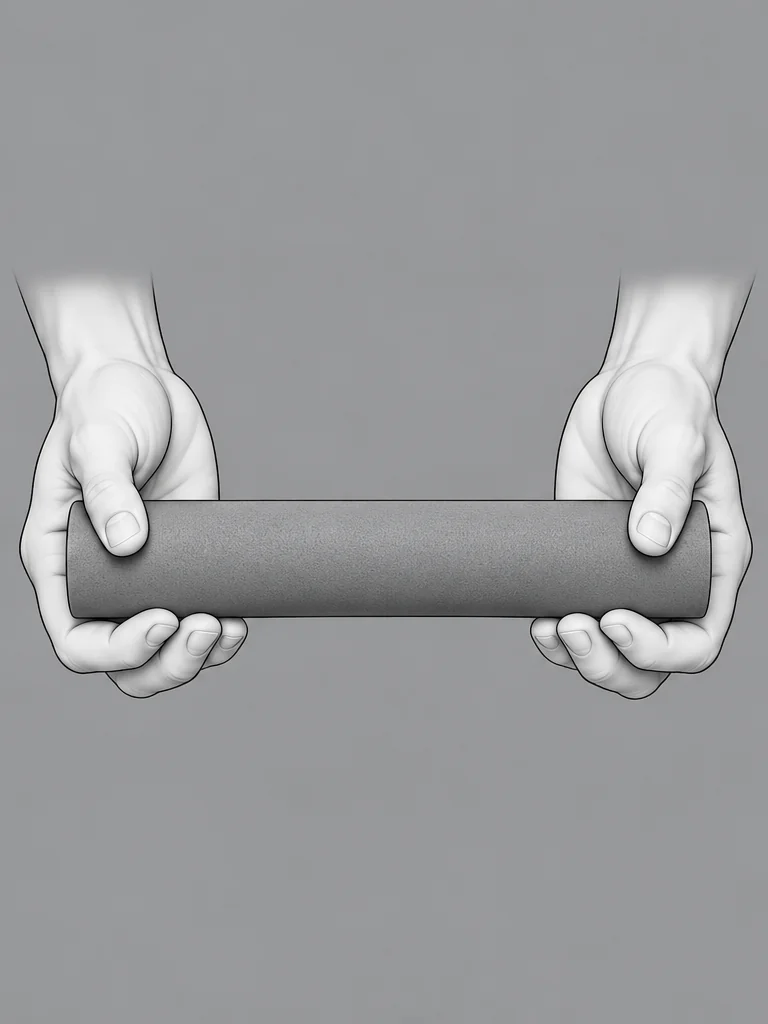
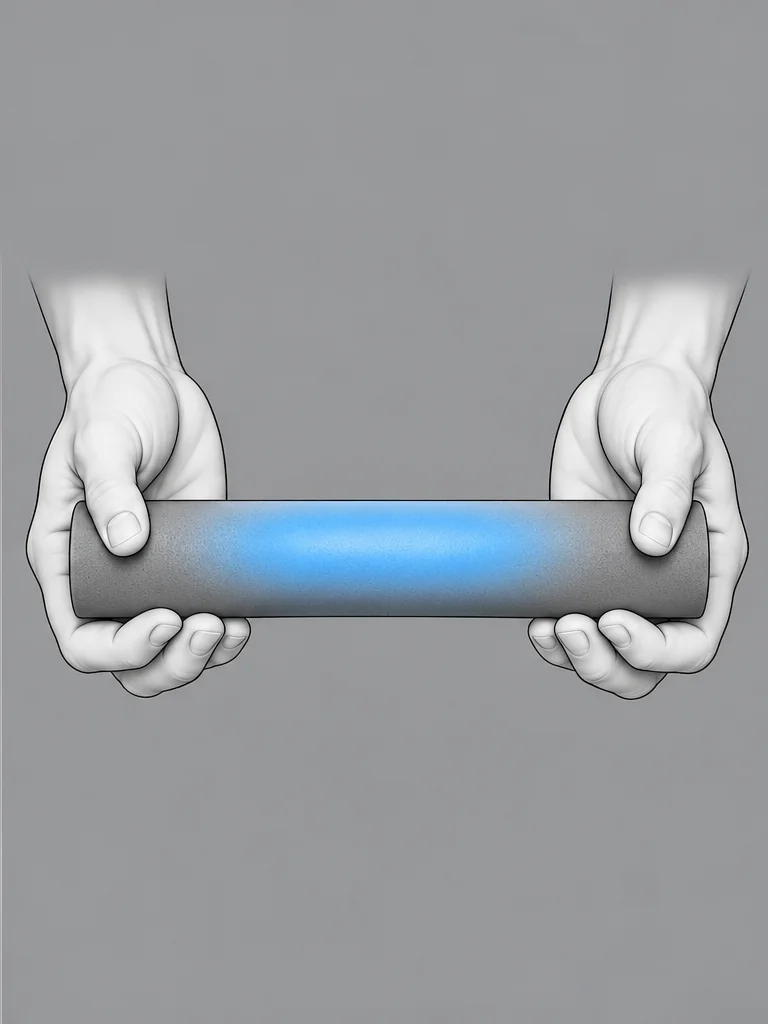
A cylindrical model illustrates the movement direction.
The 2026 ICSM recommendations report an average of about 2 cm
The 2026 International Consultation on Sexual Medicine recommendations summarize reports of an average increase of about 2 cm in length after at least three months of daily penile traction (Chung et al., 2026).
It is tempting to read this as “the device adds 2 cm,” but it does not mean everyone gained 2 cm.
Devices, participants, durations, and measurement methods differed between studies. The ICSM also states that long-term durability and whether one device is better than another remain uncertain.
Not every product sold commercially has the same performance as a device used in a clinical trial.
The EAU separates length from girth
The EAU guideline on penile size states that penile traction may increase flaccid or stretched length (EAU, 2026).
It does not describe it as an effective way to increase girth.
It is therefore not medically sound to conclude that a device will reliably increase both length and girth.
The EAU considers traction a conservative option for penile length, but the quality of evidence is not high. There are few randomized controlled trials, and study populations are small and heterogeneous (EAU, 2026).
There are also medical uses such as Peyronie’s disease
Penile traction is not studied only for cosmetic length.
The EAU discusses research for curvature from Peyronie’s disease and for preserving or restoring length after prostate surgery (EAU, 2026; EAU, 2026).
The Peyronie’s guideline says traction devices and VEDs may be proposed to reduce deformity or as part of combination treatment, but the outcome data remain limited (EAU, 2026).
A device used in a medical condition cannot be reframed as “pull harder yourself and it will grow more.”
It is different from hanging or pulling by hand
Research on a traction device does not prove the effectiveness of attaching weights to the penis or pulling hard by hand.
Medical PTT studies use devices designed for that purpose.
Self-directed traction makes the applied force difficult to control, so clinical-trial results cannot simply be applied.
BananaUp does not include hanging, strong traction, jelqing, or clamping as Routines. It also does not provide specific self-use instructions for medical PTT such as time or tension.
Commercial products are not all equivalent
The ICSM notes that many devices on the market may not have undergone strict scientific evaluation (Chung et al., 2026).
There are also not enough comparative trials to show which device is best (EAU, 2026).
Separate “medical traction has some research” from “this device found online has the same effect.”
If concern about size is strong and you are considering traction, it is safer to discuss actual size and possible conditions with a urologist or another qualified professional first.
How many centimetres can pulling add?
Average changes in clinical trials of medical traction devices are not predictions for home stretching or hanging weights. Devices, treatment schedules, populations and measurements differ. Review penis enlargement options, girth-specific approaches and average size measurements before interpreting any advertised numbers.
Basic manual stretching and rotary stretching
Standard Manual Stretching is a very gentle lengthwise movement while flaccid. Rotary Stretch slowly changes the direction around a circle; it does not mean twisting the shaft. These are different actions from using the medical devices studied under specific conditions.
A centimetre result in a device study cannot be converted into a hand-applied force or holding time. BananaUp sets neither a traction-force target nor a holding-time target for these manual entries. Record completion or a stop, and actual minutes only if useful.
Tunica Tugs is a manual-only advanced entry
Tunica Tugs is distinguished by its focus on localized tension around the tunica. The guide does not instruct you to firmly fix tissue and pull in the opposite direction, or pull toward strong resistance. It is selected manually from the library, not added by onboarding, weekly plans, Routine Finder or AI.
Stop immediately for pain, numbness, discoloration, swelling or bruising; seek medical advice if symptoms persist. Lingering discomfort after a basic entry is not a reason to switch to an advanced one the next day. The rod illustrations show position and direction, not a force setting.
Sources
- Chung E, Jenkins L, Moon DG, et al. Penile augmentation and cosmetic surgery: recommendations from the Fifth International Consultation on Sexual Medicine (ICSM 2024). Sexual Medicine Reviews. 2026;14(1):1–16.
- European Association of Urology. EAU Guidelines on Sexual and Reproductive Health: Penile Size Abnormalities and Dysmorphophobia. 2026.
- European Association of Urology. EAU Guidelines on Sexual and Reproductive Health: Penile Curvature. 2026.
Feel good aboutwhere you are lately?
Keep your confidence as a man, ready for the moments that matter.
- Move closer to your ideal self
- Aim higher as a man
- Build confidence