
How to Stretch the Hips and Lower Body: Five Mobility Routines
Clear instructions and stop signs for hip-flexor, hamstring, adductor, hip-mobility, and 10-minute recovery-stretch routines.
Key points
After sitting for a long time, “loosen your hips” is not enough to tell you what to do.
Reviews of stretching research have found that regular stretching can increase joint range of motion. That change in flexibility should not be presented as the same thing as improving ED or sexual function.
BananaUp’s Mobility Routines are for moving the hips and lower body within a manageable range and recording the days you did it. Mayo Clinic advises avoiding bouncing, continuing to breathe, and stopping at a mild stretch rather than pain.
Hip Flexor Stretch
Hamstring Stretch
Adductor Stretch
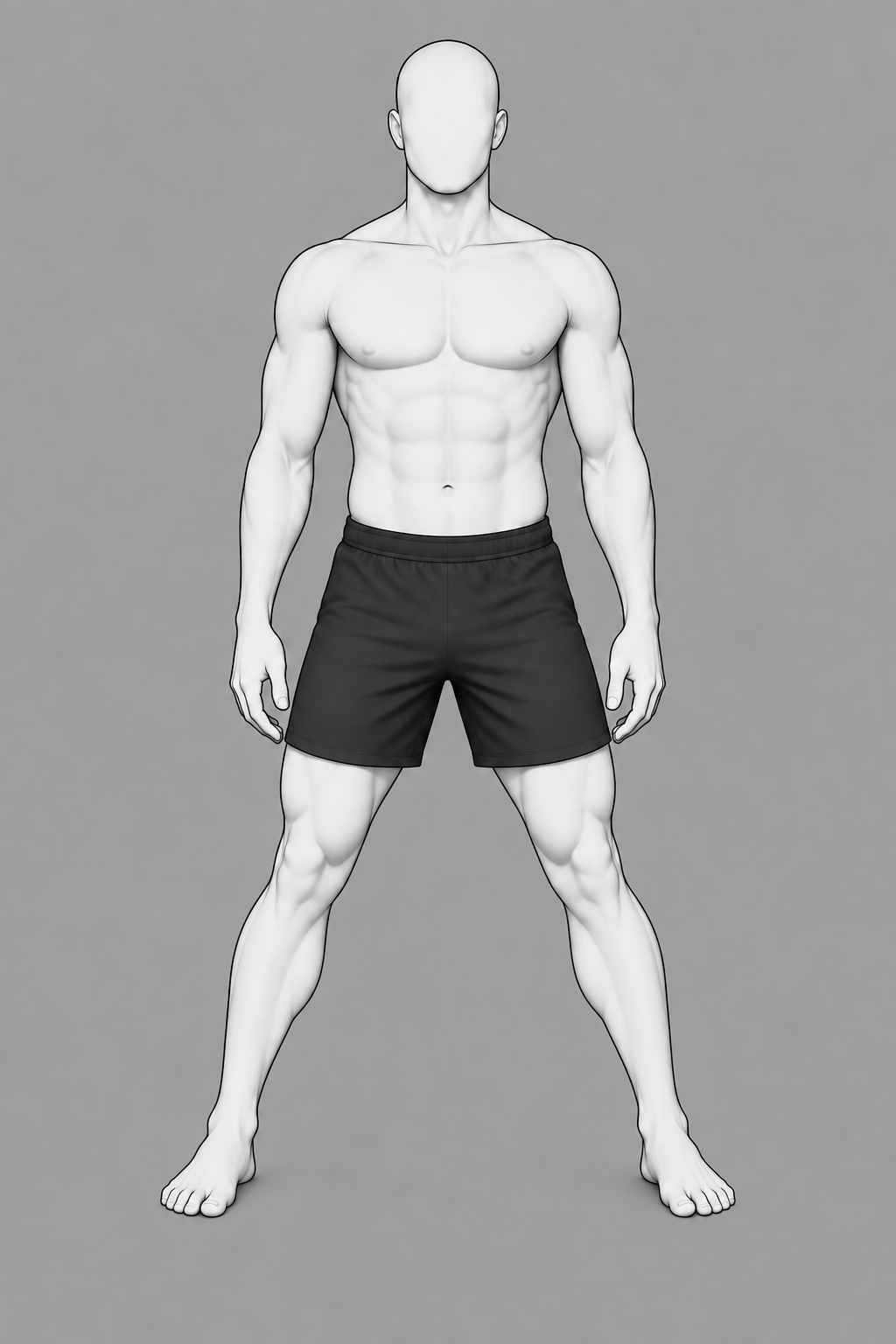
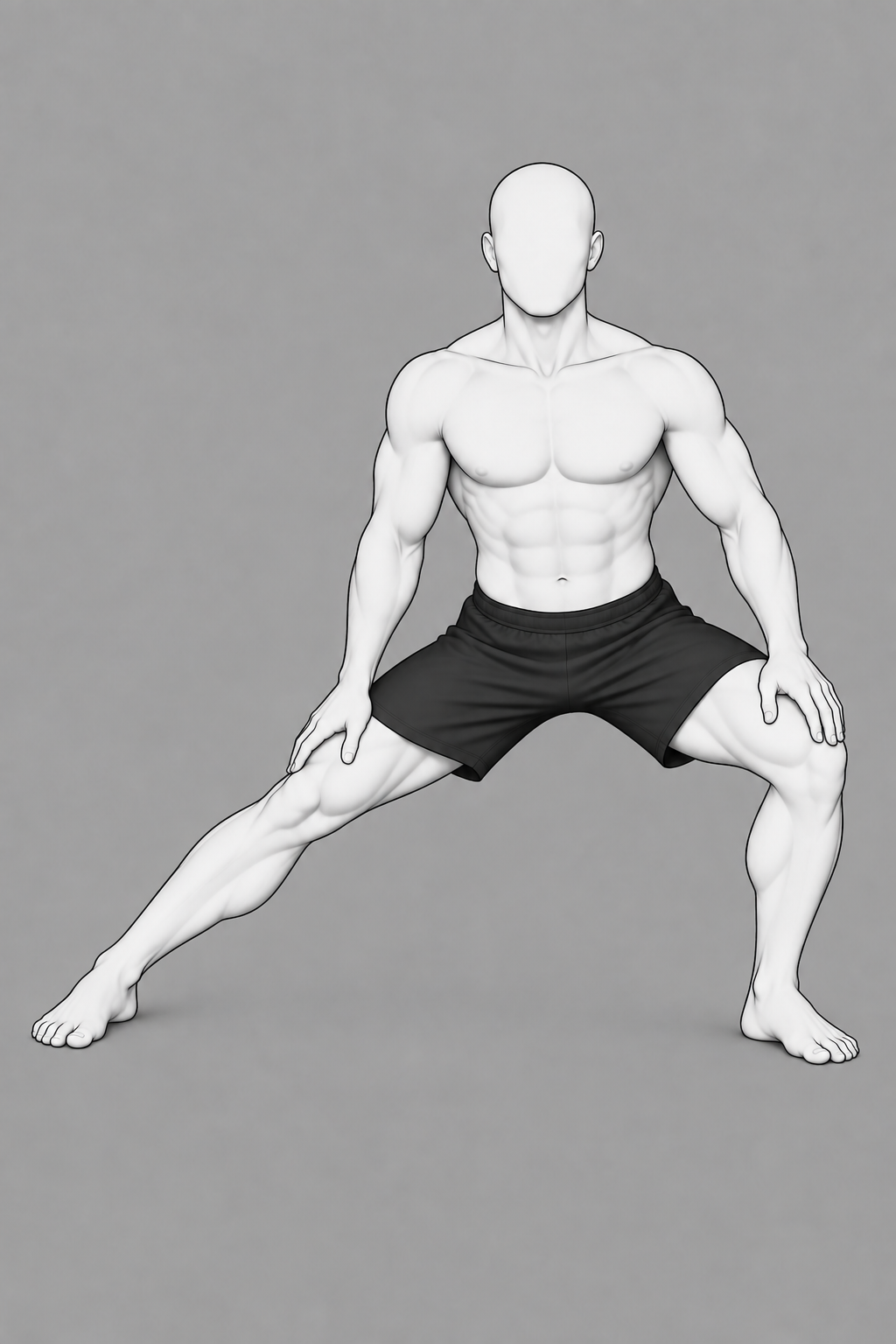
Hip Mobility 5 min
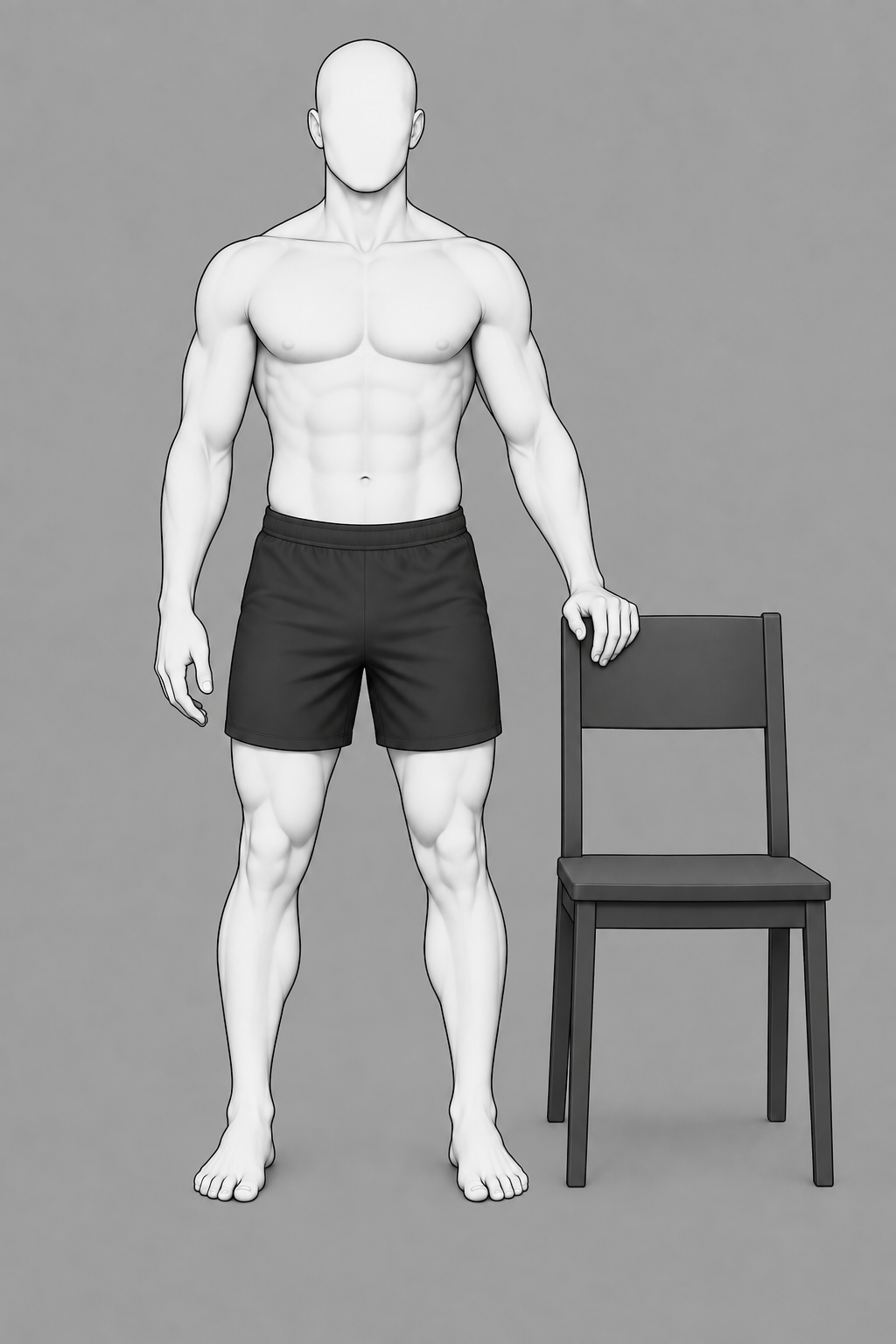
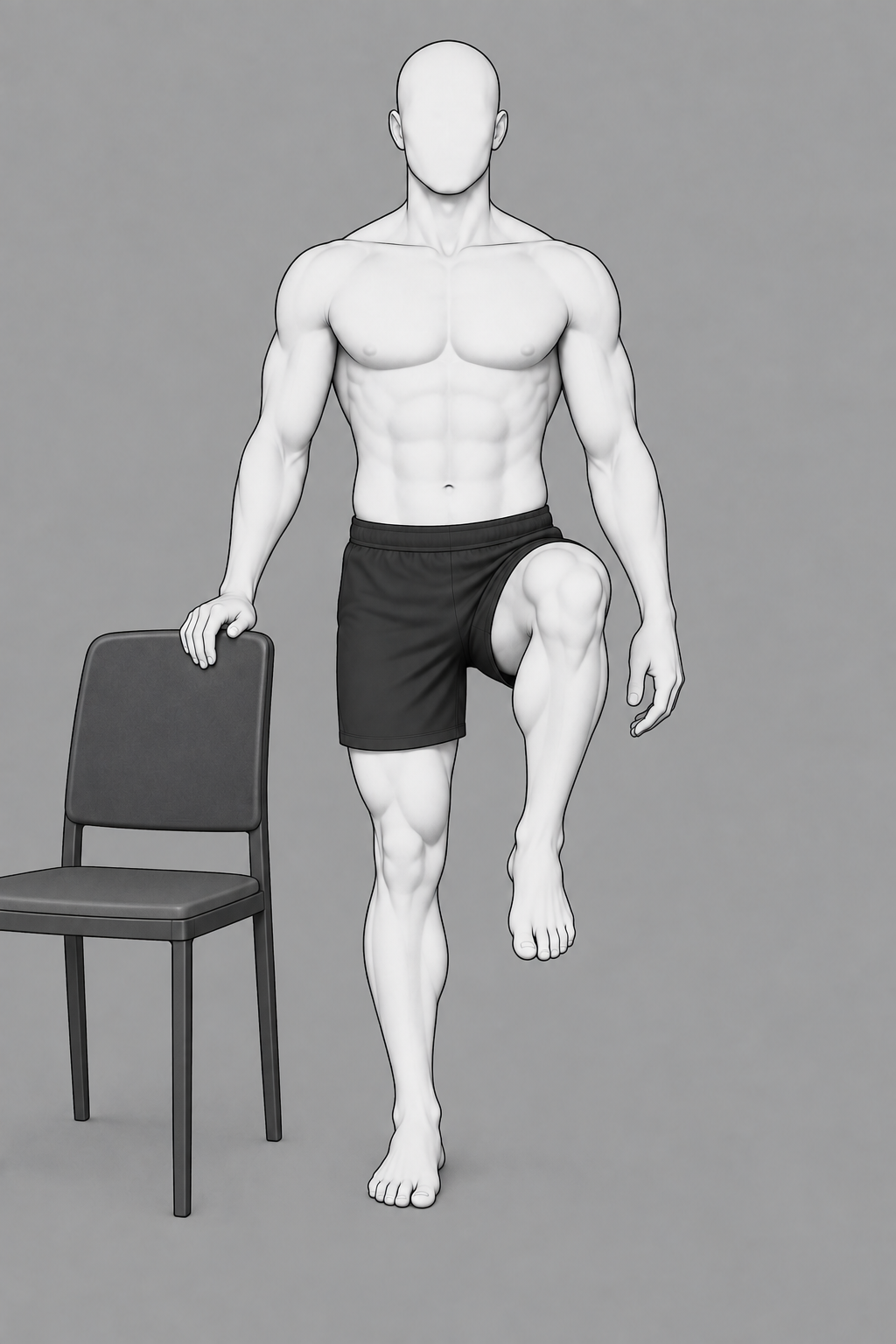
10-Min Recovery Stretch
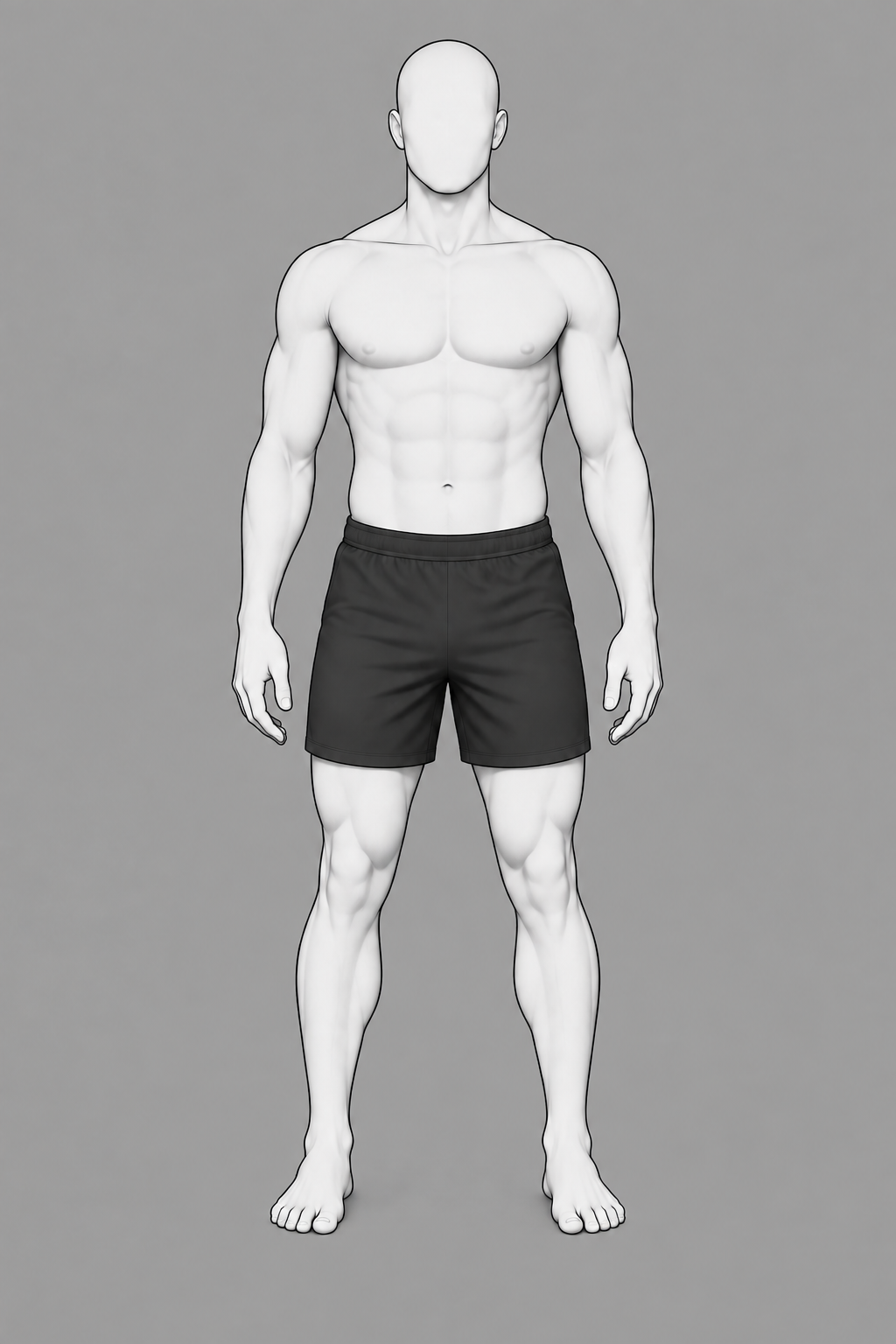
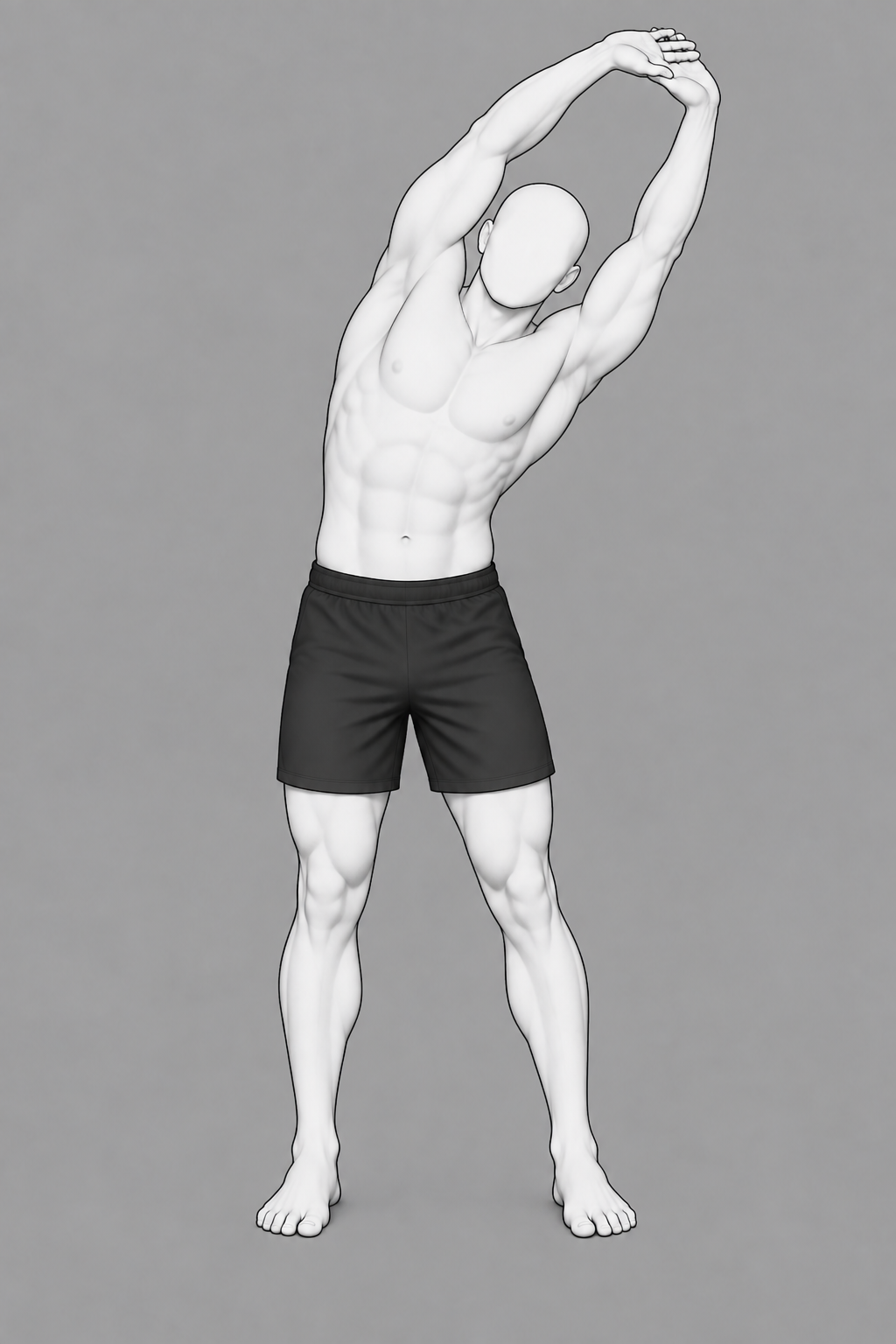
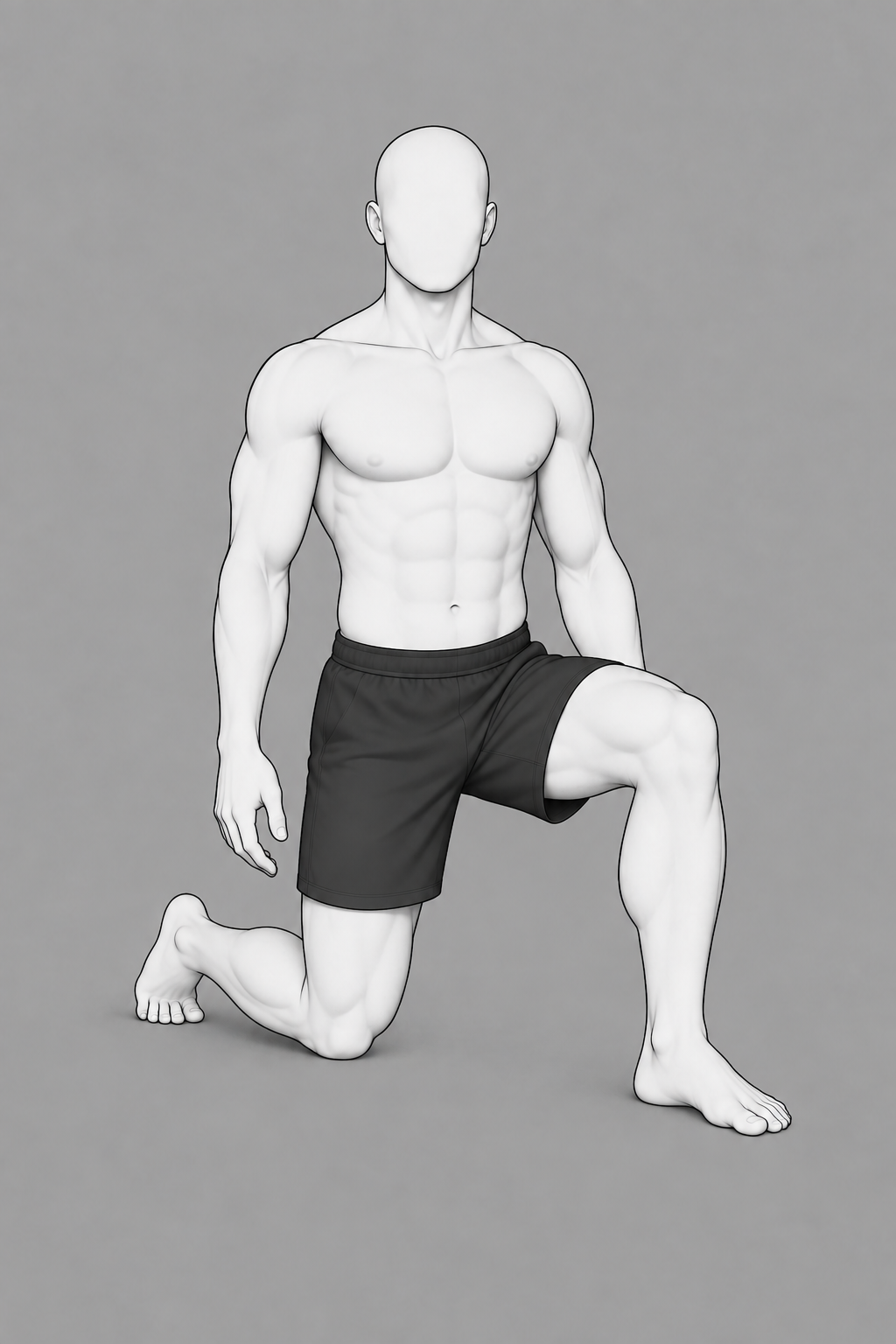
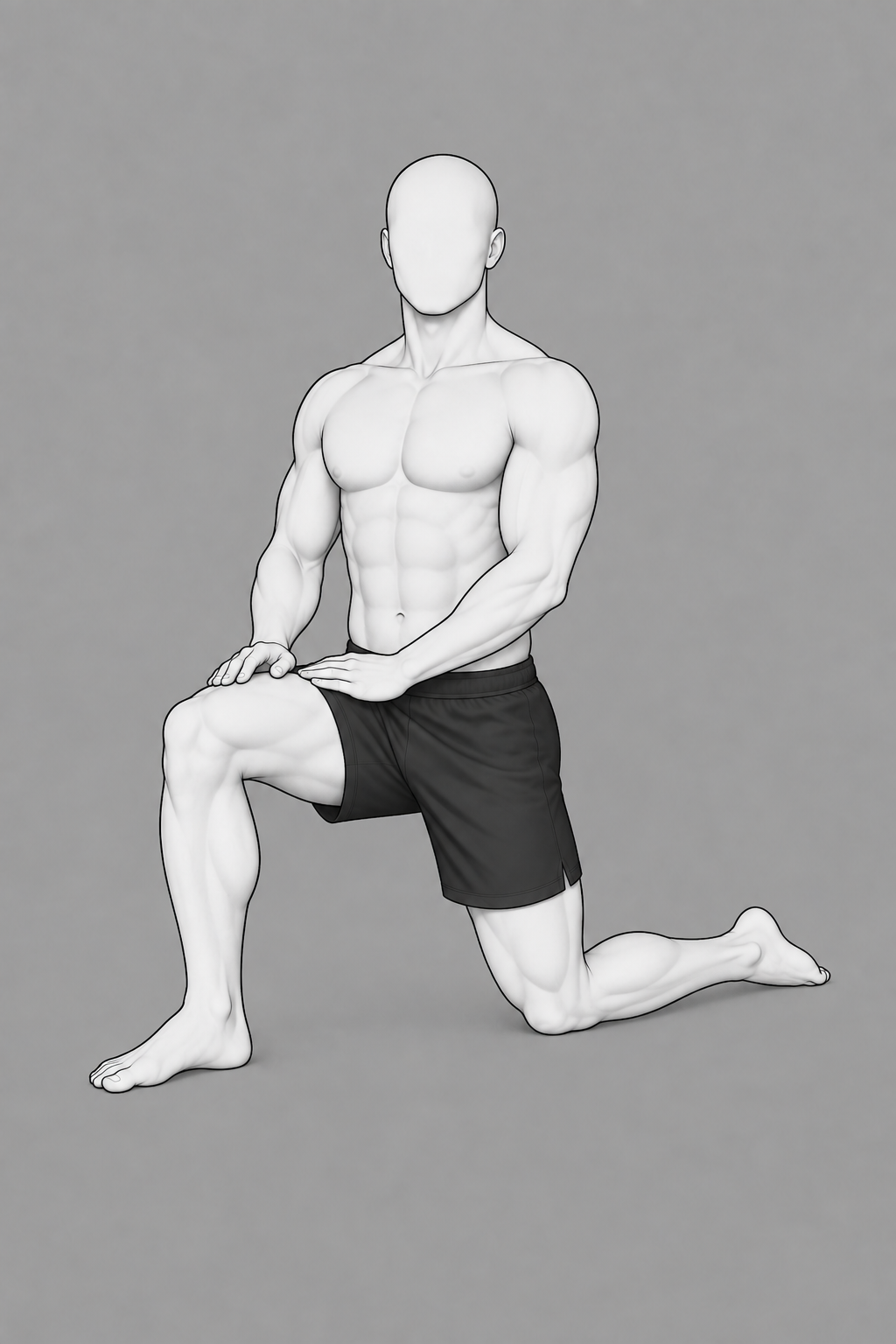
How to do Hip-Flexor Stretch in a Half-Kneeling Position
For hip_flexor_stretch, place one knee on the floor and the other foot in front. Put a towel or mat under the knee if it is uncomfortable.
Keep your upper body upright and move your pelvis slightly forward without arching your lower back. Stop when you feel a mild stretch at the front of the hip on the kneeling side.
Breathe naturally for about 20–30 seconds, then switch sides. Do not keep pushing your body forward or tolerate sharp pain.
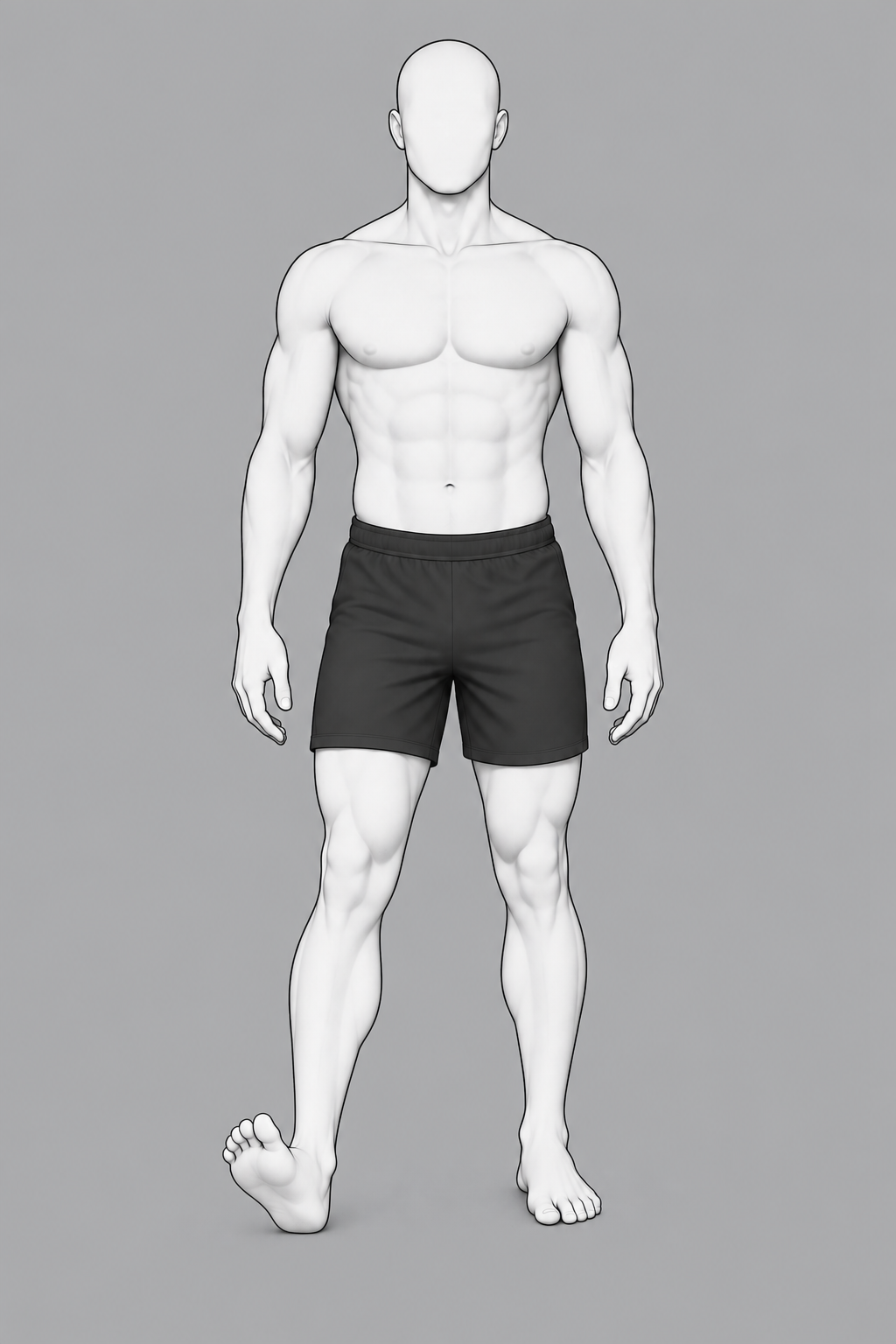
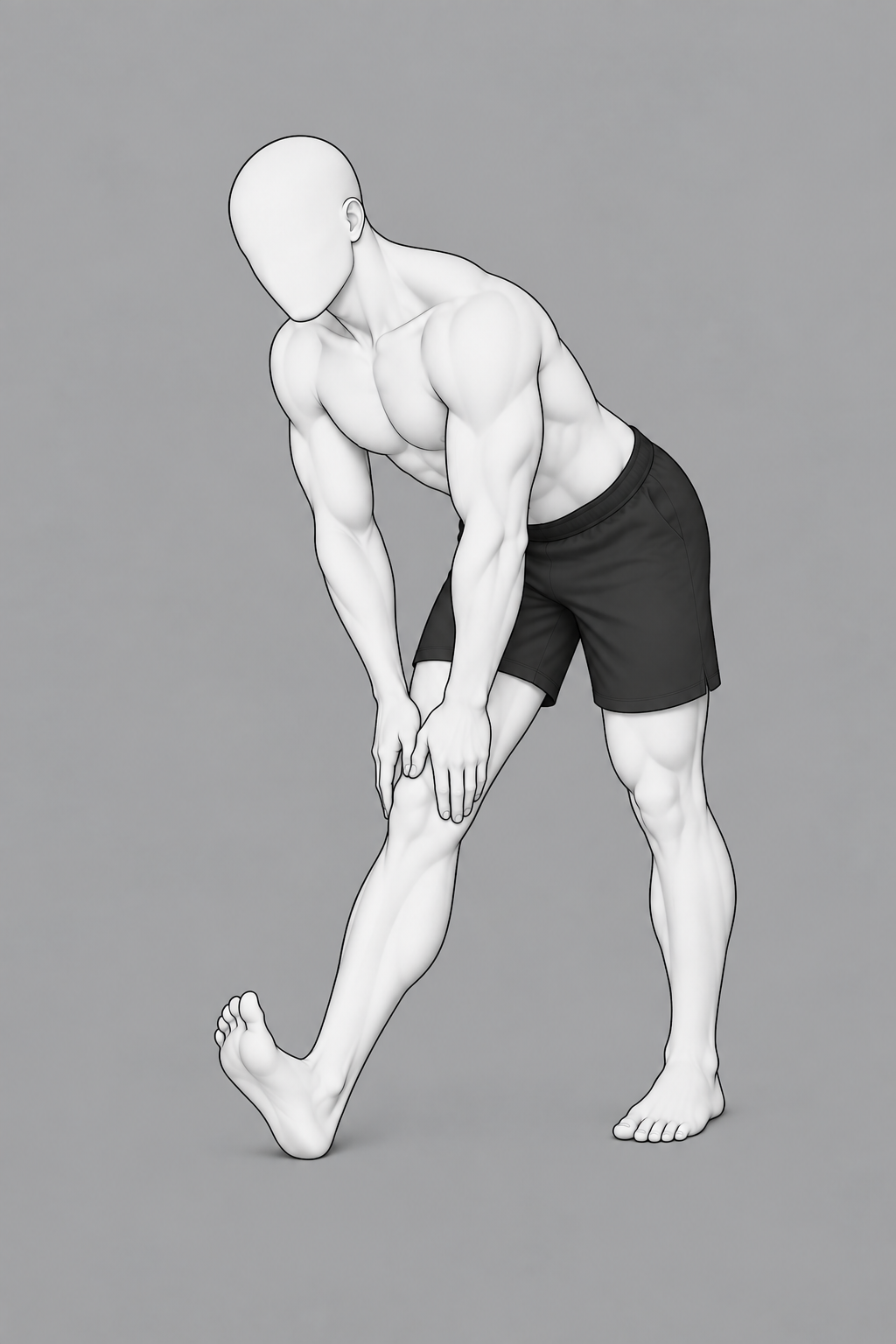
How to do Hamstring Stretch by Folding from the Hips
For hamstring_stretch, sit near the front of a stable chair and extend one leg forward. Keep the heel on the floor and do not force the knee fully straight.
Tilt your torso forward from the pelvis rather than rounding only your back. Stop when you feel a mild stretch in the back of the extended thigh and breathe for 20–30 seconds.
Repeat on the other side. Stop if numbness travels down the leg or a sharp pain appears.
How to do Adductor Stretch for the Inner Thighs
For adductor_stretch, sit on the floor and bring the soles of your feet together. Let your knees open to the sides without pulling your feet tightly toward your body.
Keep your back as upright as comfortable and lean forward slightly from the hips. Hold the position where you feel a mild inner-thigh stretch for 20–30 seconds while breathing normally.
Do not press your knees toward the floor with your hands. Make the range smaller if your hips or knees hurt, and stop if the pain does not settle.
How to do Hip Mobility 5 min with Small Movements
hip_mobility_5 combines small hip movements into one five-minute routine. Start near a wall or chair that you can use for balance.
For the first minute, lift one knee at a time to a comfortable height. For the next minute, lightly lift the right foot and draw small movements from the hip toward the front, side, and back. Repeat on the left for the following minute.
During the fourth minute, lift one knee slightly, open it to the side, and return it, alternating sides. During the final minute, place your feet about hip-width apart and gently bend and straighten the hips as in a shallow squat.
The circles do not need to be large. Keep the movement small and smooth, stopping for catching, sharp pain, or numbness.
How to do the 10-Minute Recovery Stretch
recovery_stretch_10 is not one stretch held for ten minutes. It connects short movements for several areas so the whole body moves slowly.
Spend the first 2 minutes on the hip flexors, one minute per side. Spend the next 2 minutes on the hamstrings, one minute per side, then 2 minutes on the adductors in a comfortable position.
At minutes 7–8, lie on your back and slowly bring one knee at a time toward your chest to move the glutes and lower back. Use the final 2 minutes standing or sitting to roll the shoulders slowly and move the arms back gently to open the front of the chest.
Move to the next position within a pain-free range instead of enduring one position. On a tired day, finishing safely is more useful than forcing all ten minutes.
Stretching harder is not automatically better
A 2024 meta-analysis found increased joint range of motion with regular stretching. Other analyses have also examined changes from static stretching, but maximum pain is not a requirement.
BananaUp records which Routine you used and whether you could continue without pain or discomfort rather than treating flexibility as a contest.
Stop for sharp pain, numbness, or catching in a joint. After an injury or surgery, or when a healthcare professional has limited your movement, follow that instruction first.
Choose a Mobility Routine in the Routine Finder and record the day and your condition in BananaUp’s 14-day tracking.
Sources
Feel good aboutwhere you are lately?
Keep your confidence as a man, ready for the moments that matter.
- Move closer to your ideal self
- Aim higher as a man
- Build confidence